

What Fluids Can Be Stored In IBC Liners For Automotive Use?
Automotive facilities handle a wide variety of fluids every day, from engine oils and lubricants to coolants, additives, and industrial chemicals. Safe storage and transportation of these products are critical for maintaining product quality, improving workplace efficiency, and reducing contamination...
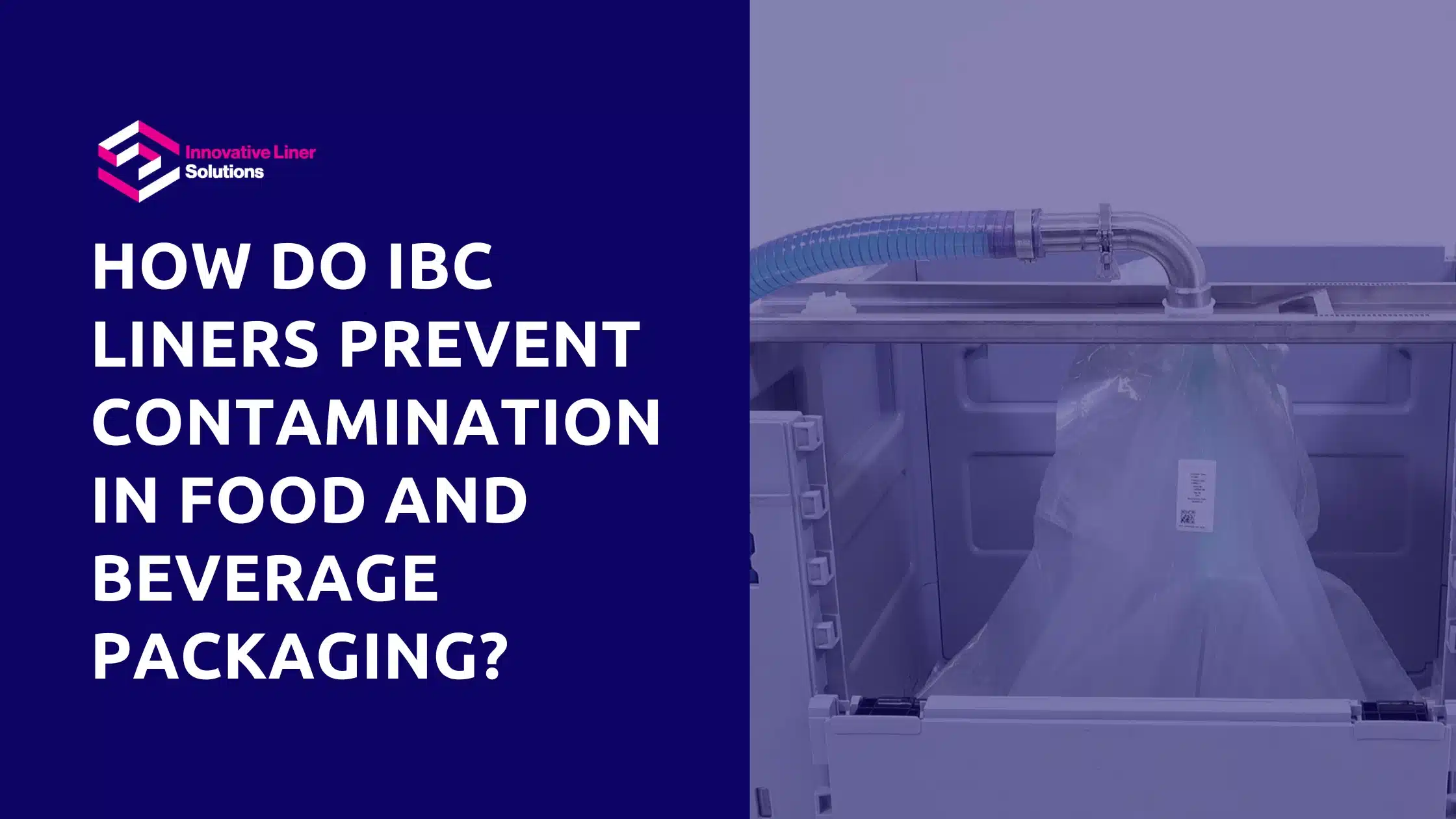
How Do IBC Liners Prevent Contamination In Food And Beverage Packaging?
Contamination prevention is one of the most important priorities in food and beverage packaging. Manufacturers, distributors, and processing facilities all rely on sanitary storage systems to protect liquid products throughout transportation, handling, and dispensing. Even small amounts of contamination can...
What Features Should An IBC Liner Have For Liquid Food Products?
Liquid food products require safe, sanitary, and reliable storage systems to maintain quality during transportation, processing, and packaging. Whether companies are handling syrups, juices, dairy ingredients, flavor concentrates, oils, or beverage products, choosing the right IBC liners plays a major...
Are IBC Liners Safe For Food And Beverage Storage?
Food and beverage manufacturers rely on safe, sanitary, and efficient storage systems to protect liquid products during processing, transportation, and packaging. Whether handling juices, syrups, dairy ingredients, flavorings, oils, or beverage concentrates, maintaining product purity is critical throughout every stage...
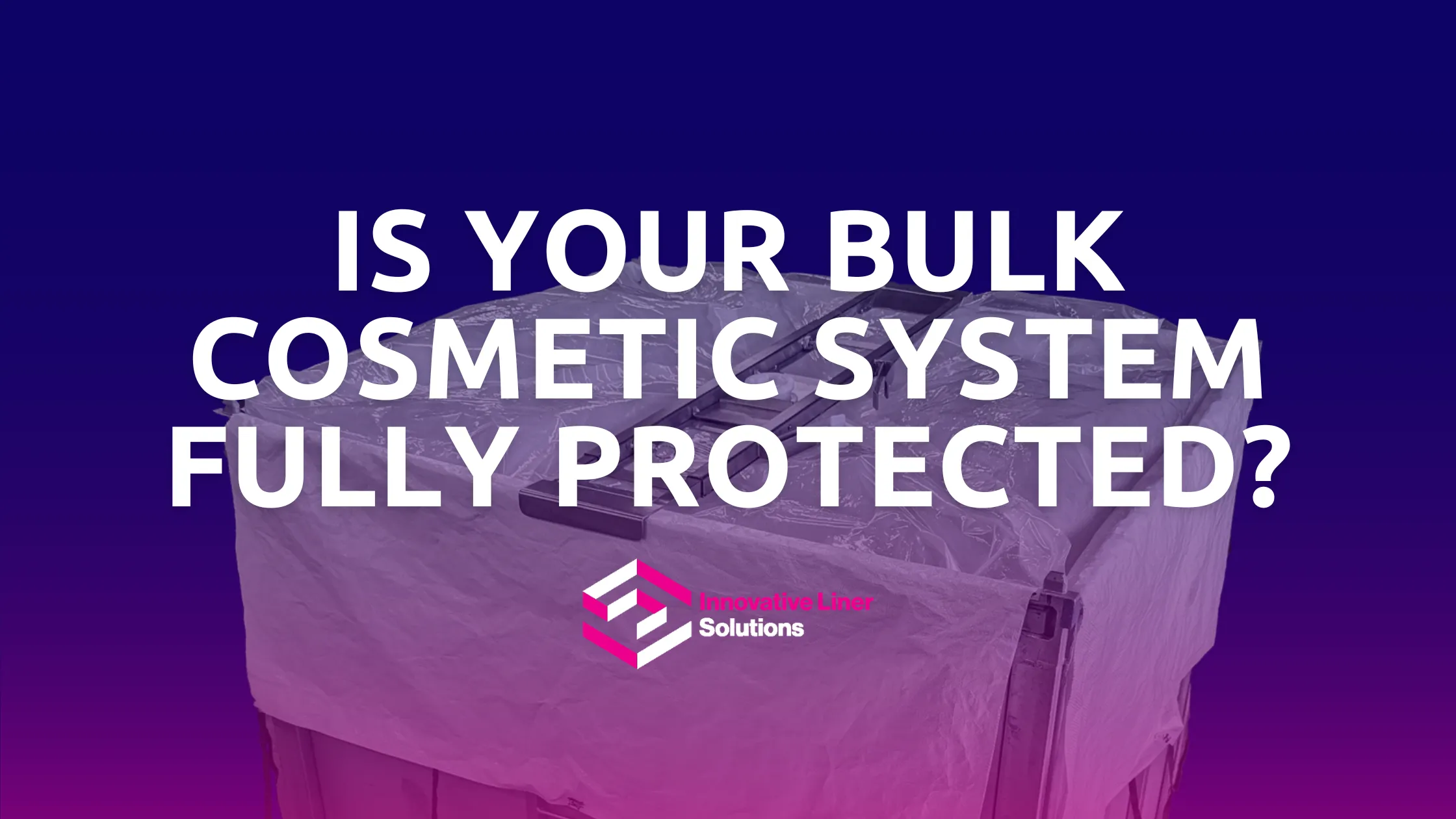
When Do Cosmetic Manufacturers Need Bulk Liquid Liners?
Supporting Safe And Efficient Bulk Handling In Cosmetic Production Bulk handling is a critical part of modern cosmetic manufacturing. From raw ingredient storage to final product transfer, large volumes of liquids and semi-viscous formulations move through production facilities every day....
How Do Cosmetic Packaging Liners Prevent Leaks And Contamination?
Strengthening Containment And Hygiene In Bulk Leak prevention and contamination control are two of the most important priorities in cosmetic manufacturing. From shampoos and conditioners to creams, lotions, serums, and specialty treatments, bulk formulations must remain secure and stable from...
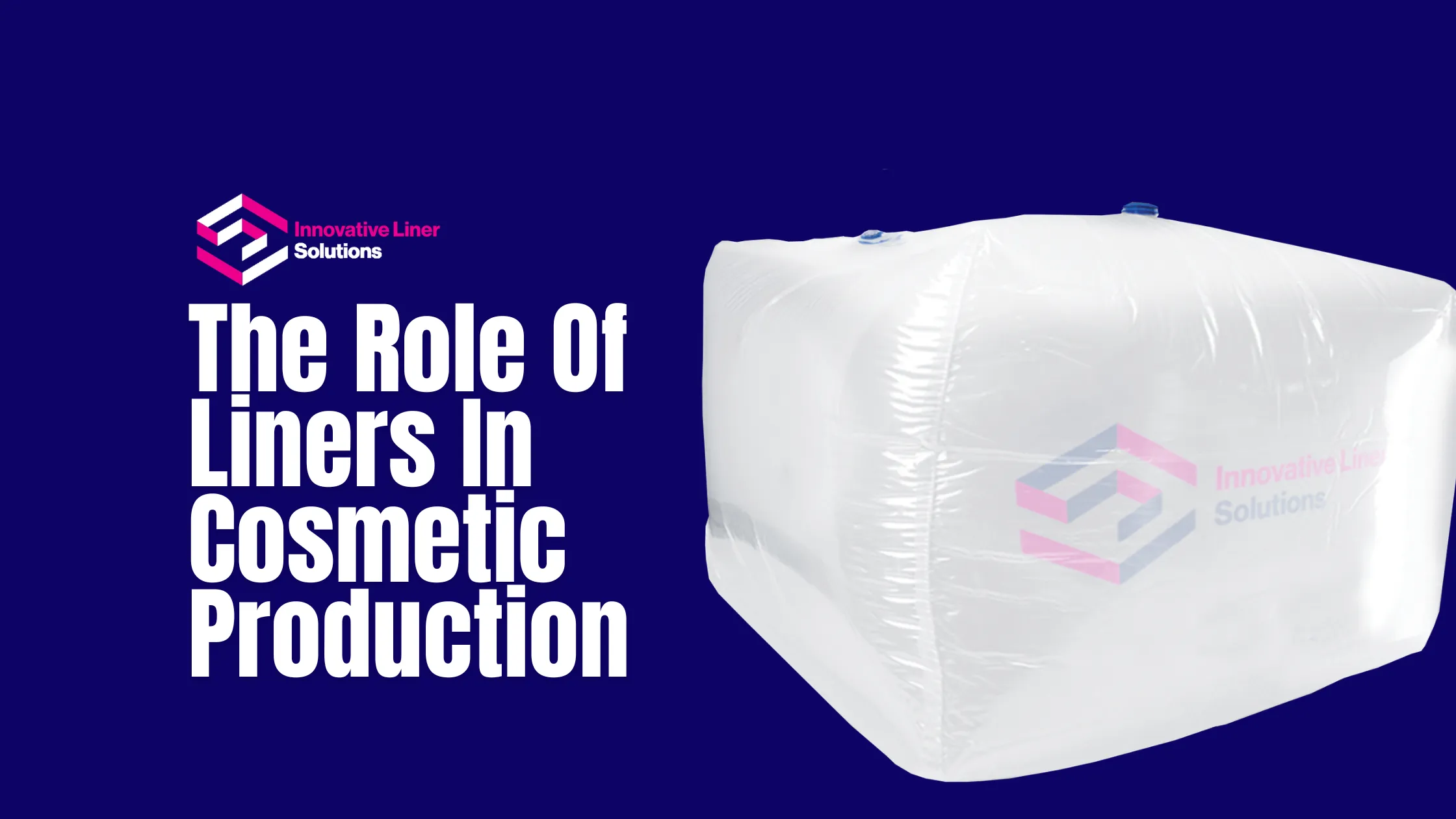
What Are Industrial Liquid Liners Used For In Cosmetics?
Understanding Bulk Containment In Cosmetic Manufacturing Cosmetic manufacturing involves moving large volumes of liquid and semi-viscous formulations through mixing, storage, transport, and filling processes. From shampoos and conditioners to creams, lotions, serums, and cleansers, these products must remain stable, uncontaminated,...
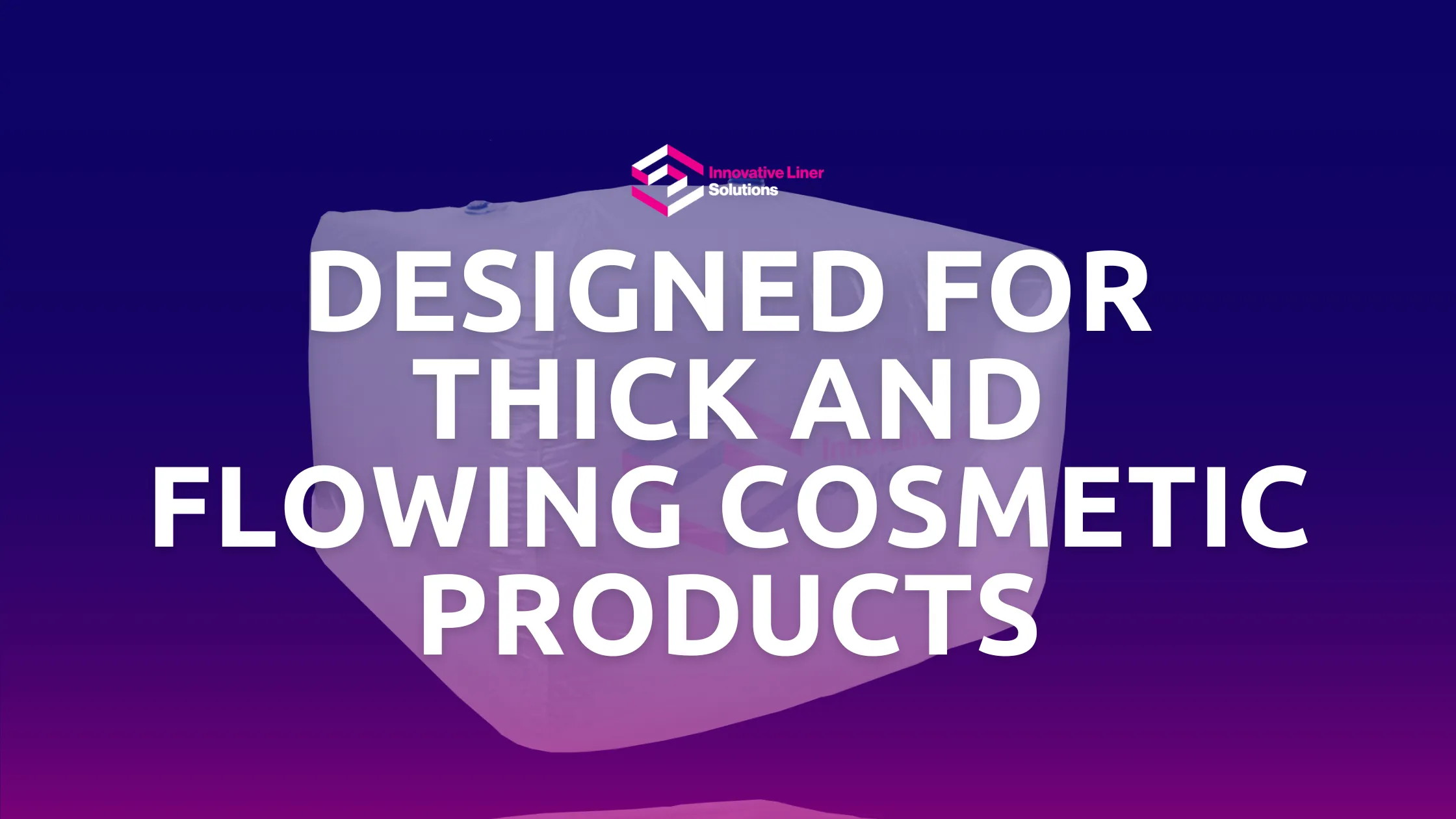
Do Cosmetic Liners Work For Both Thick And Liquid Products?
Managing Multiple Viscosities In Modern Cosmetic Manufacturing Cosmetic manufacturers often handle a wide spectrum of formulations within the same production environment. From free-flowing shampoos and cleansers to dense creams and conditioning treatments, viscosity levels can vary significantly. A common operational...
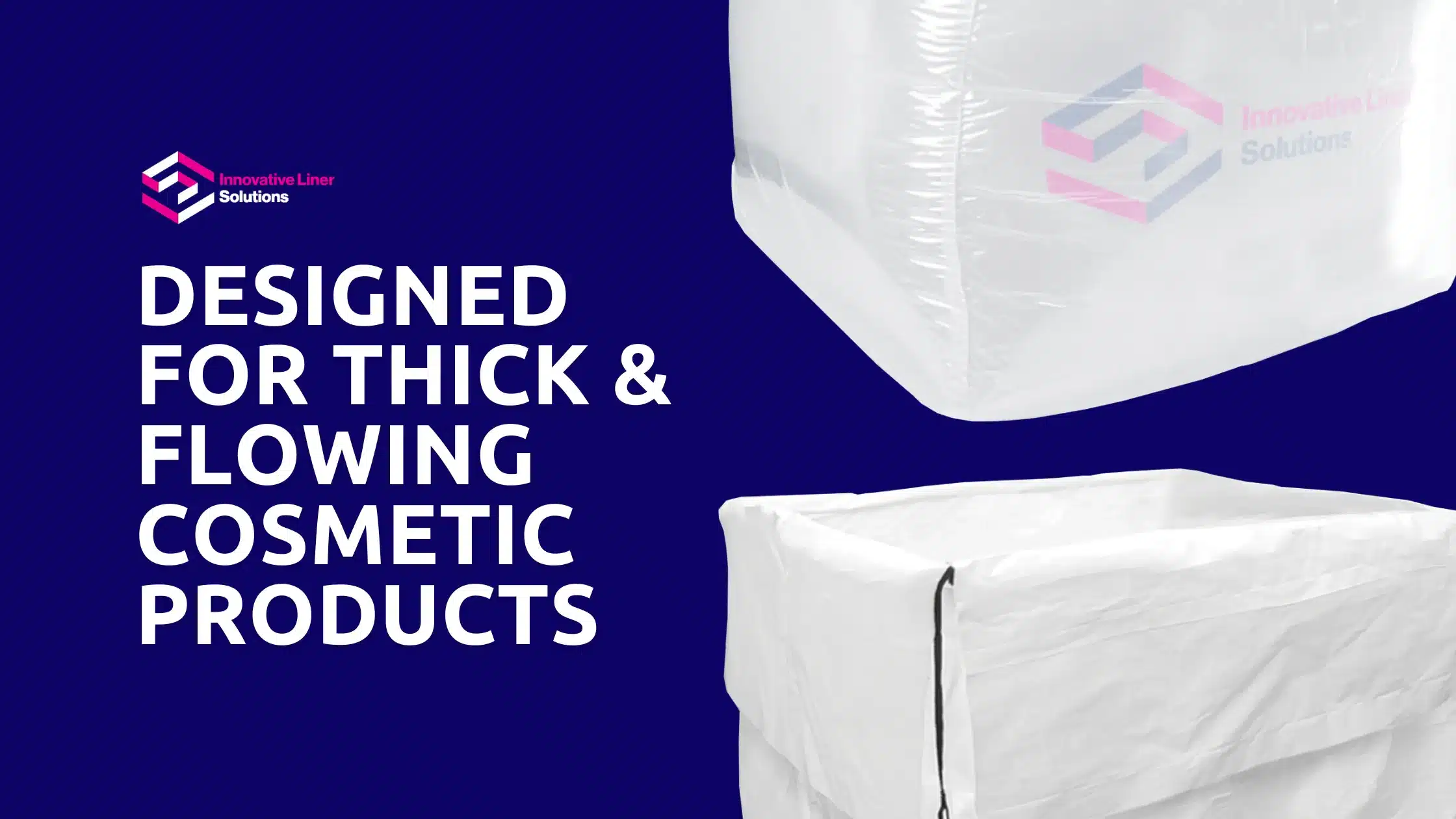
What Liners Are Used For Shampoo And Conditioner Packaging?
Bulk Containment Solutions For High-Volume Haircare Manufacturing Shampoo and conditioner production relies on efficient bulk handling systems that protect product integrity while supporting high-speed filling operations. Because haircare formulations vary in viscosity and ingredient composition, selecting the right liners for...
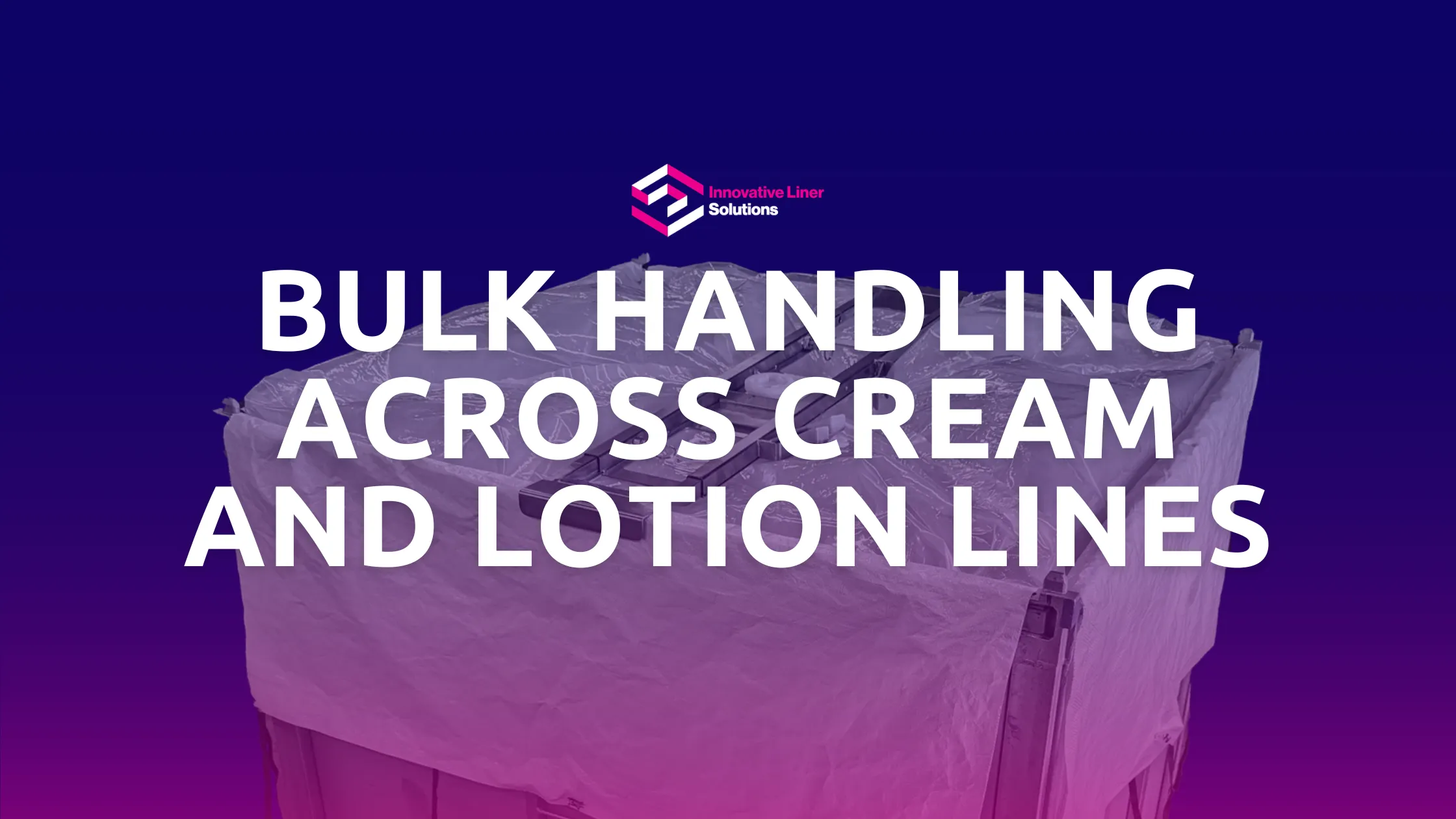
Can The Same Liners Be Used For Creams And Lotions?
Standardizing Bulk Containment Across Cosmetic Product Lines Cosmetic manufacturers often produce a range of formulations within the same facility — from free-flowing shampoos and cleansers to thicker creams and lotions. A common operational question is whether the same bulk liquid...