
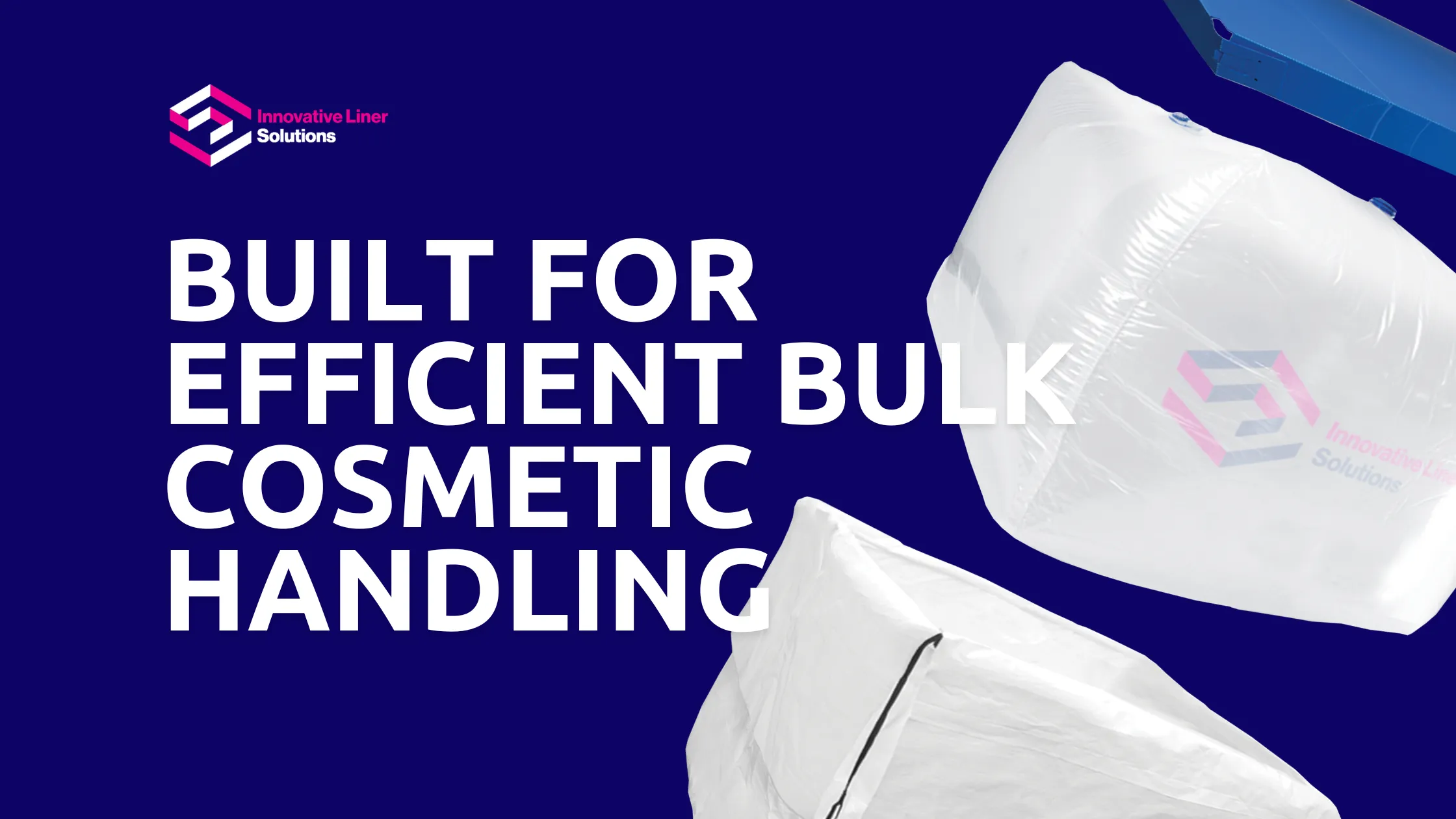

Why Are Flexible Liners Used For Bulk Cosmetic Products?
Enhancing Bulk Cosmetic Manufacturing Through Adaptive Containment Bulk cosmetic manufacturing requires containment systems that protect formulation quality while supporting efficient, large-scale production. Flexible liners for cosmetic products have become a standard component in modern bulk handling because they improve sanitation,...
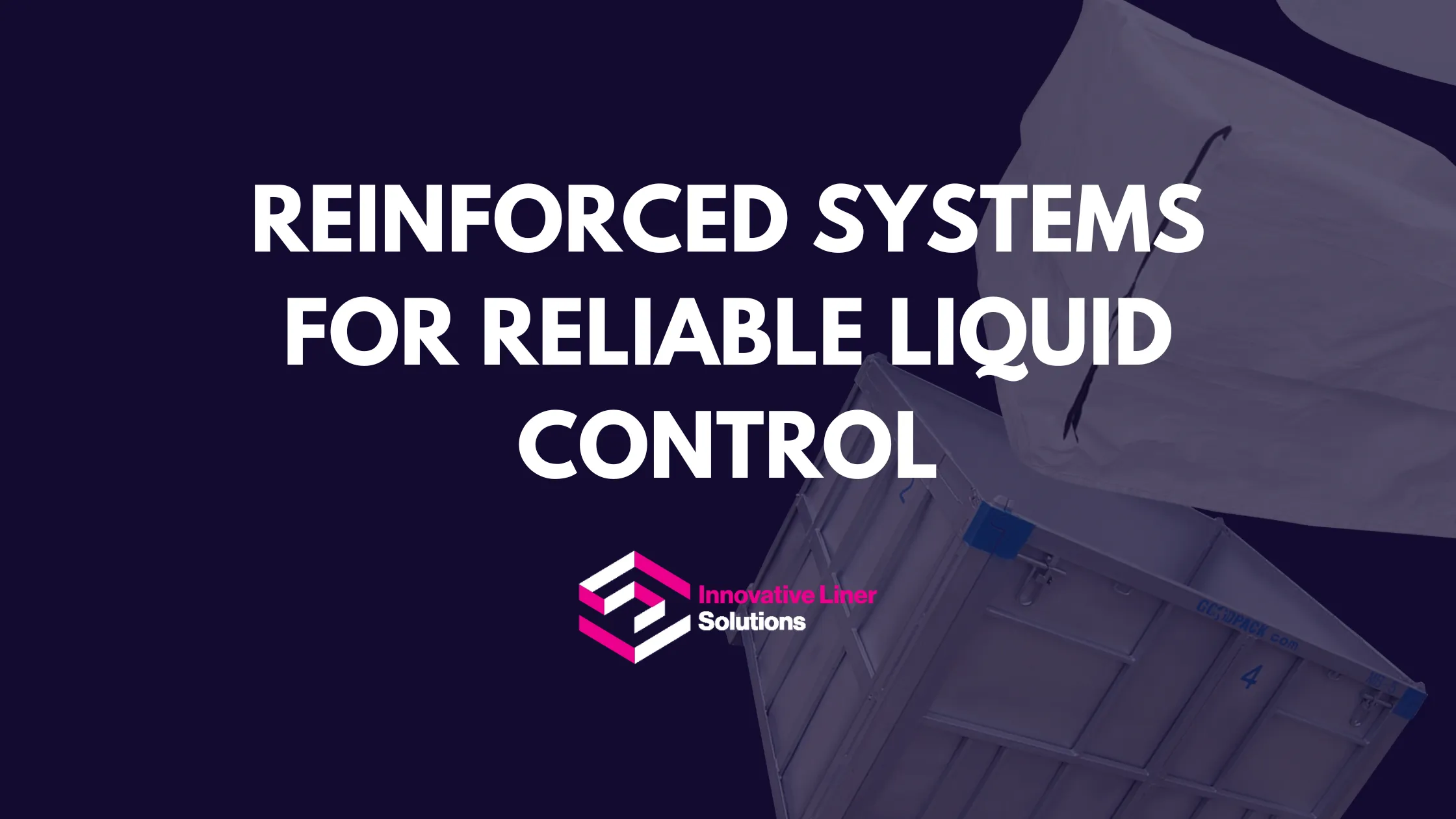
How Do Leak-Resistant Liners Work In Cosmetic Packaging?
Protecting Bulk Cosmetic Products Through Engineered Containment Leak prevention is a critical factor in bulk cosmetic manufacturing. Even small containment failures can result in product loss, cleanup delays, safety concerns, and costly production interruptions. Leak-resistant cosmetic packaging liners are engineered...
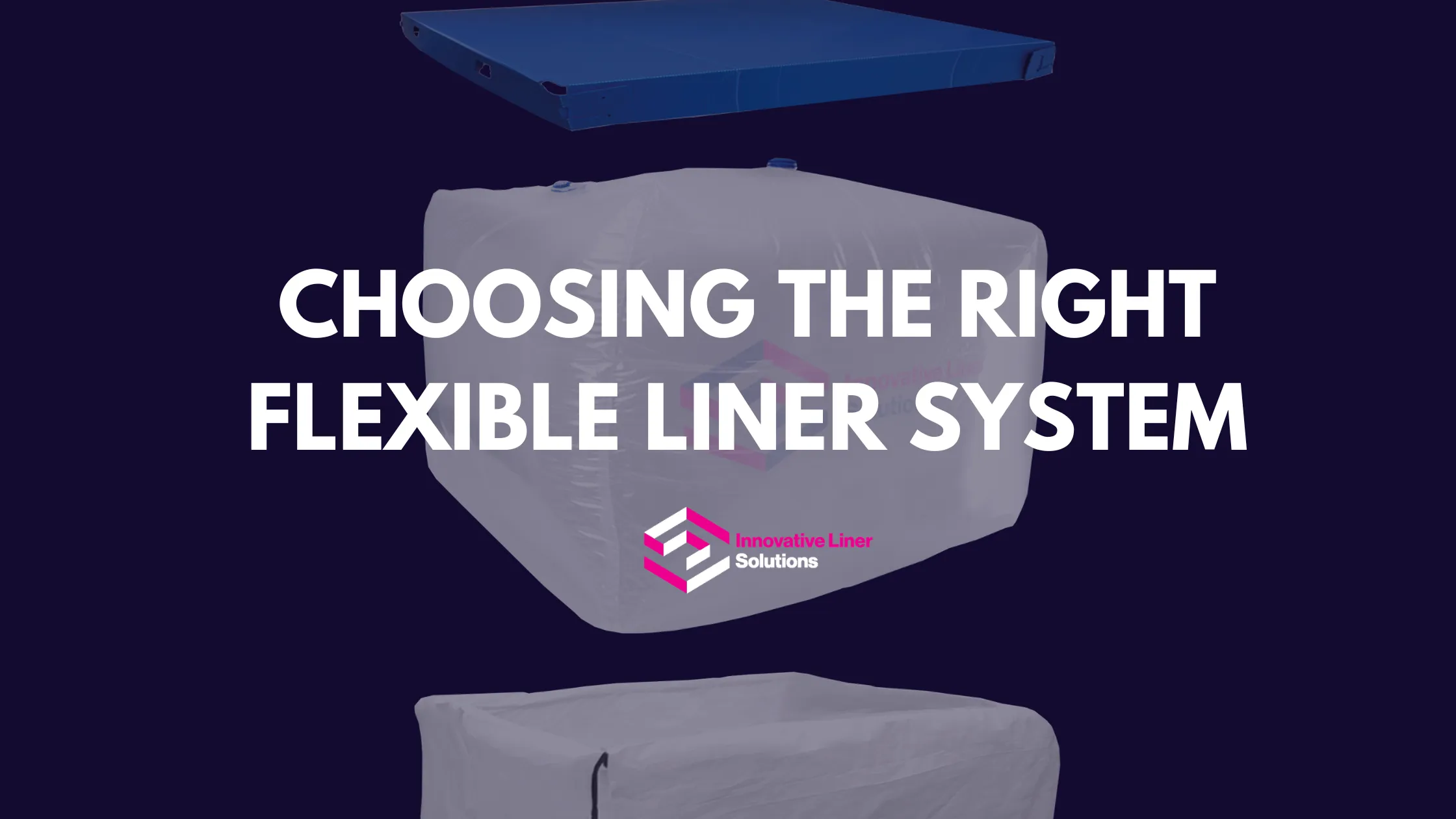
What Are The Best Flexible Liners For Cosmetic Liquids?
Selecting High-Performance Flexible Liner Systems For Cosmetic Manufacturing Cosmetic manufacturing relies on bulk containment systems that protect product integrity while supporting efficient transfer into automated filling lines. When working with shampoos, conditioners, serums, cleansers, and other liquid formulations, selecting the...
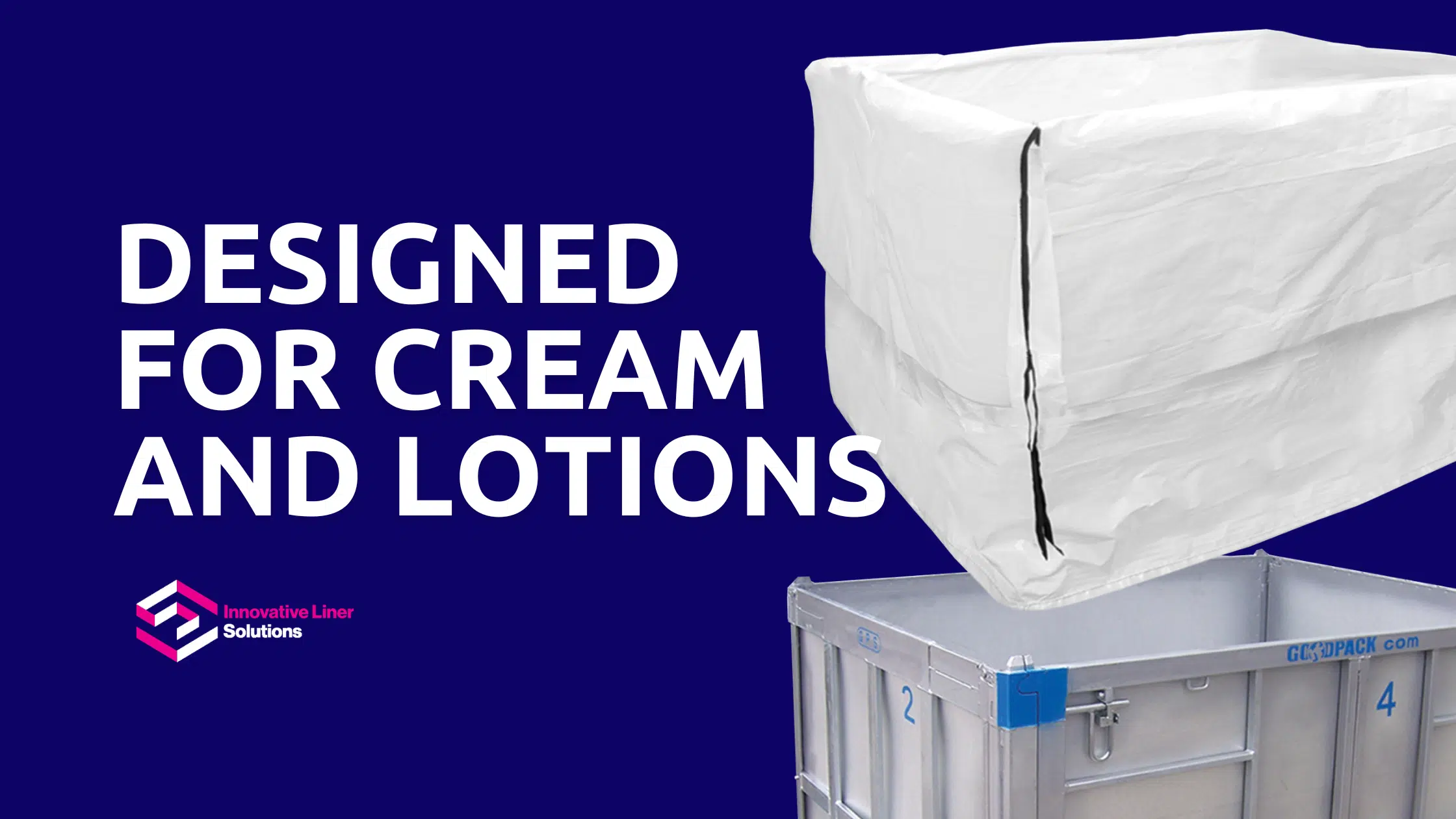
Are Bulk Liquid Liners Compatible With Creams And Lotions?
Compatibility Considerations For High-Viscosity Cosmetic Formulations Bulk cosmetic manufacturing requires containment systems that protect formulation integrity while supporting efficient, high-volume production. A common question among processors is whether bulk liquid liners for cosmetics are truly compatible with thicker formulations such...
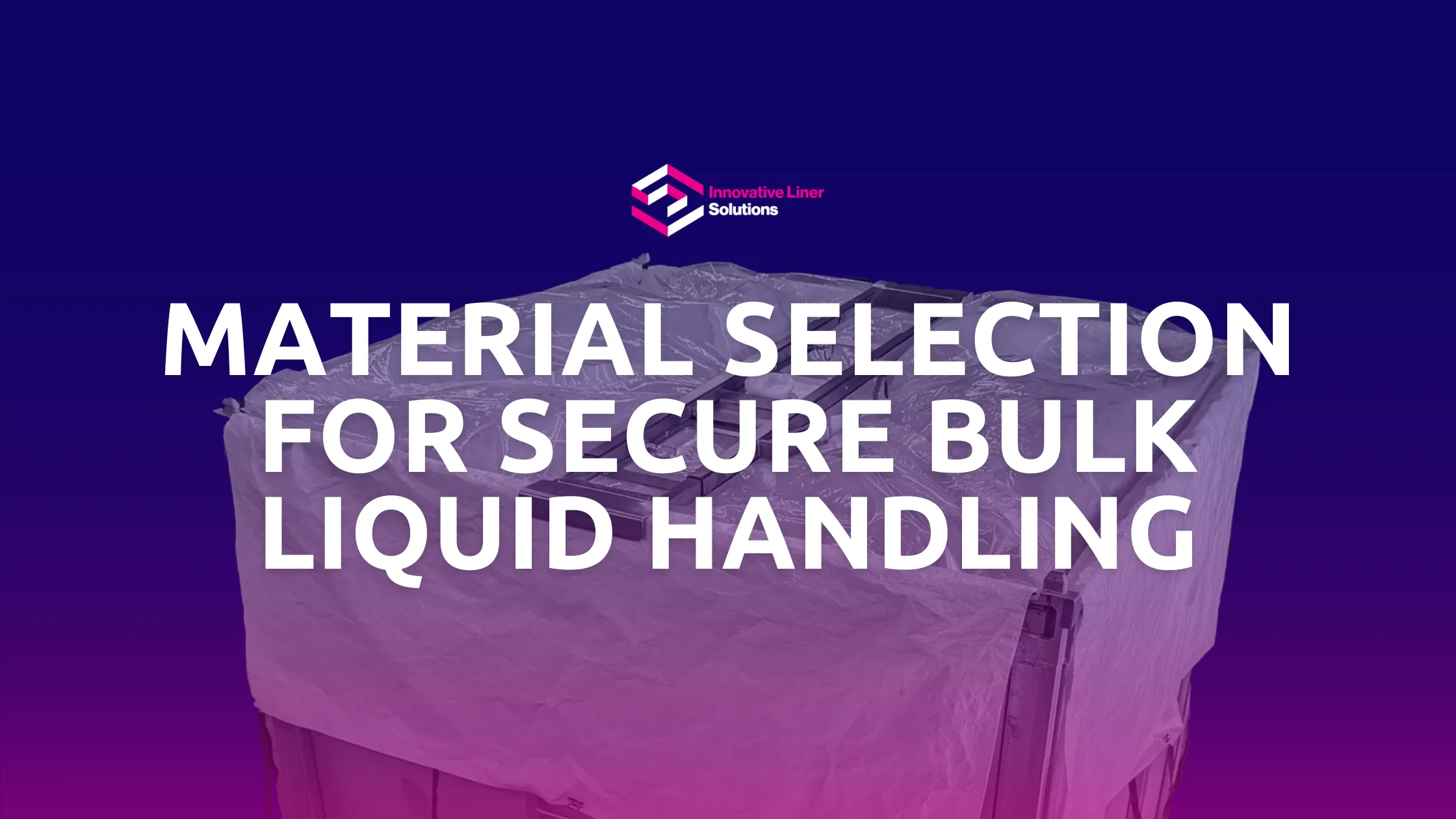
What Materials Are Best For Cosmetic Liquid Liners?
A Guide To Selecting High-Performance Liner Materials For Cosmetic Manufacturing Selecting the right material for cosmetic liquid liners is one of the most important decisions in bulk cosmetic manufacturing. The liner film must protect product integrity, resist chemical interaction, maintain...
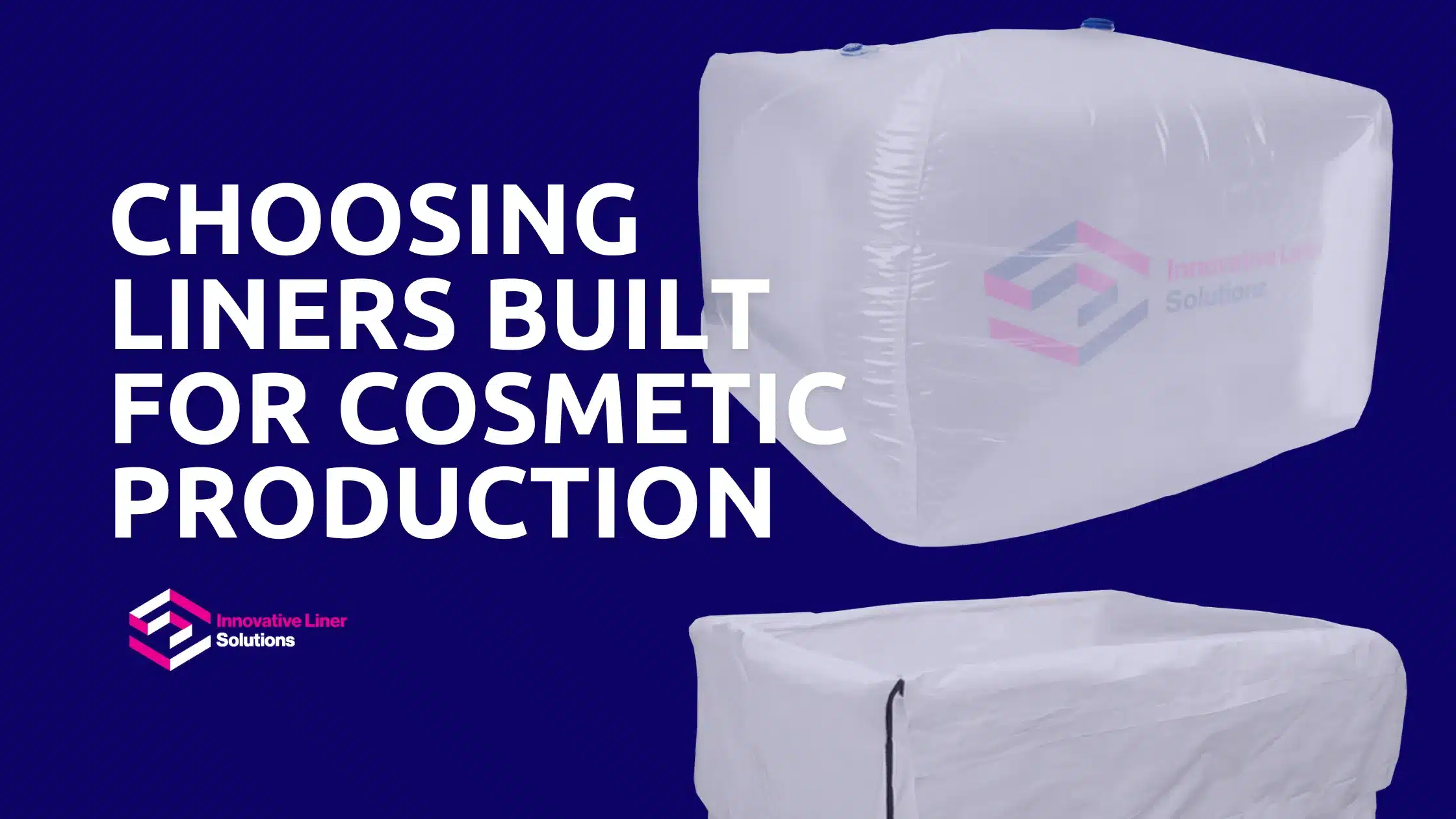
How Do You Choose Liners For Bulk Cosmetic Liquids?
How Do You Choose Liners For Bulk Cosmetic Liquids? Selecting the right liners for bulk cosmetic liquids is a critical decision in large-scale cosmetic manufacturing. From shampoos and conditioners to creams, lotions, and serums, bulk formulations require reliable containment systems...
How Do IBC Liners Stop Automotive Fluids From Breaking Down?
Automotive fluids are engineered to perform under demanding conditions, but their effectiveness depends heavily on how they are stored and handled before use. Exposure to air, moisture, contaminants, and incompatible materials can cause fluids to degrade long before they ever...
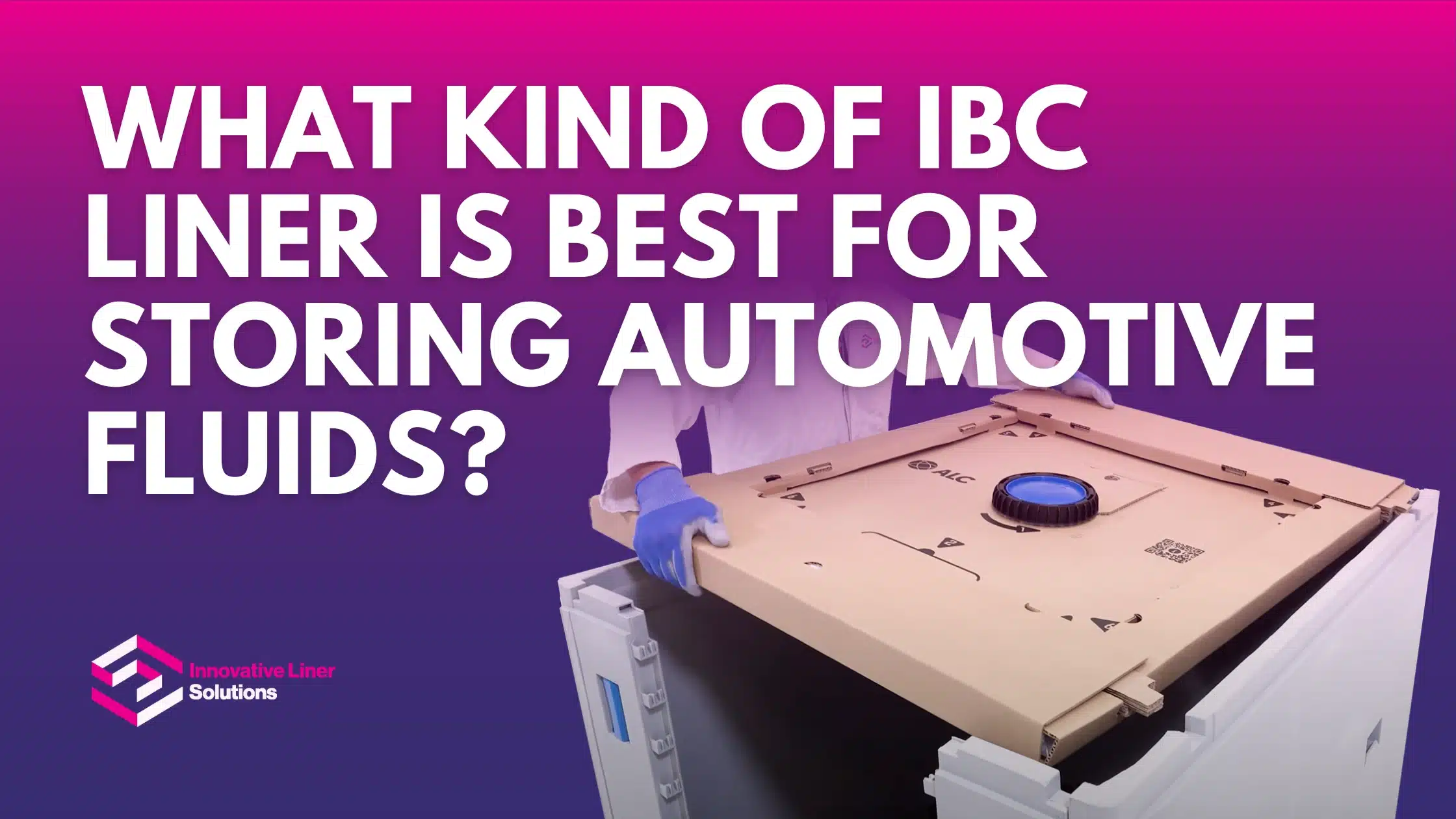
What Kind of IBC Liner Is Best for Storing Automotive Fluids?
Storing automotive fluids in bulk requires careful planning and the right containment system. Fluids such as motor oil, lubricants, antifreeze, brake fluid, hydraulic fluid, and specialty automotive chemicals each have unique properties that can be affected by contamination, temperature changes,...
Why Are Form-Fit IBC Liners Ideal for Bulk Motor Oil Transport?
Transporting motor oil in bulk requires more than just a durable container—it demands a system that protects product integrity, improves efficiency, and reduces operational risk. As automotive and industrial operations continue to scale, many businesses are turning to form-fit IBC...
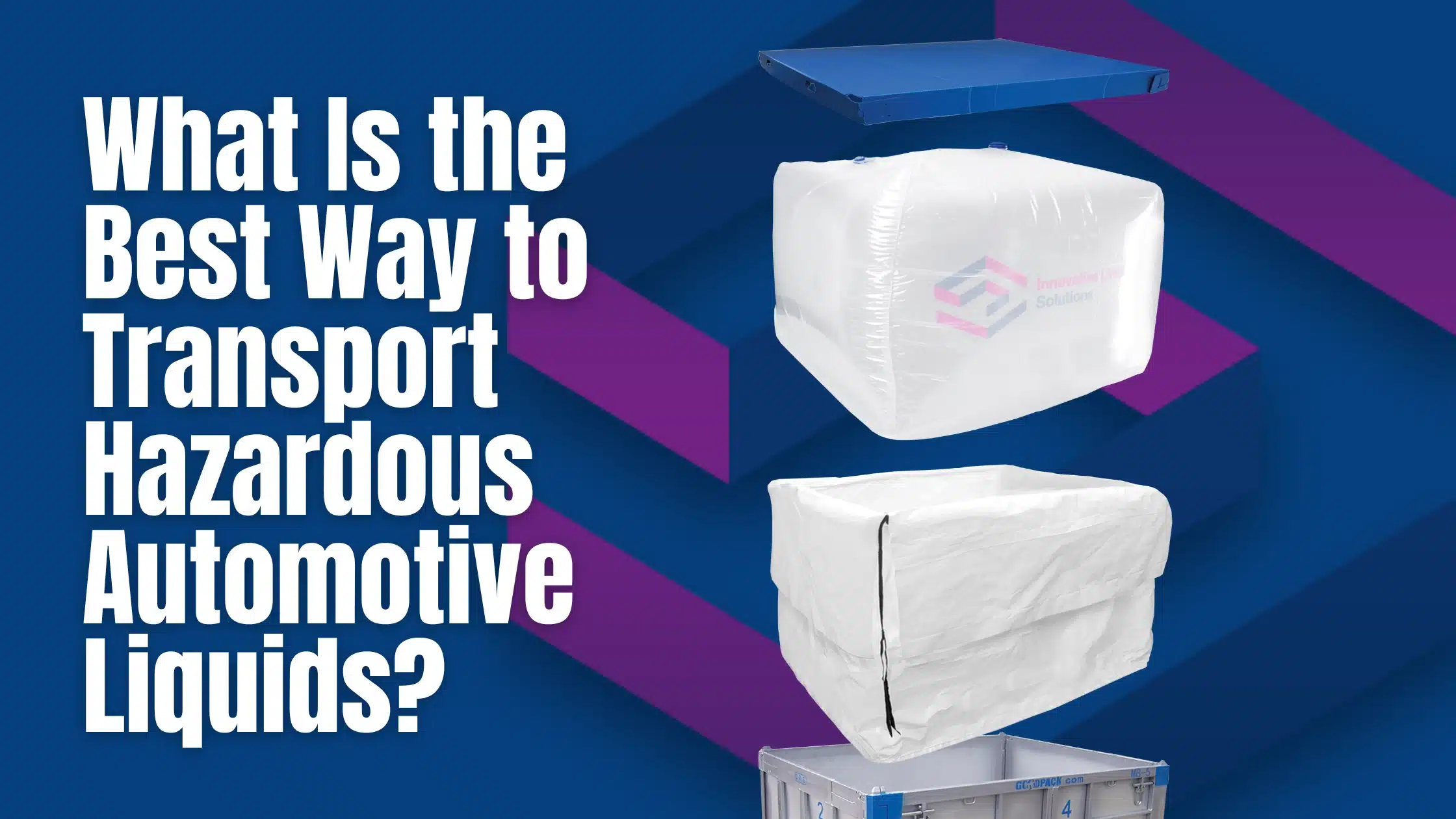
What Is the Best Way to Transport Hazardous Automotive Liquids?
Transporting hazardous automotive liquids requires a careful balance of safety, compliance, and efficiency. Fluids such as motor oil, lubricants, antifreeze, brake fluid, hydraulic fluid, and other automotive chemicals can pose risks if not handled and transported properly. Spills, contamination, and...