

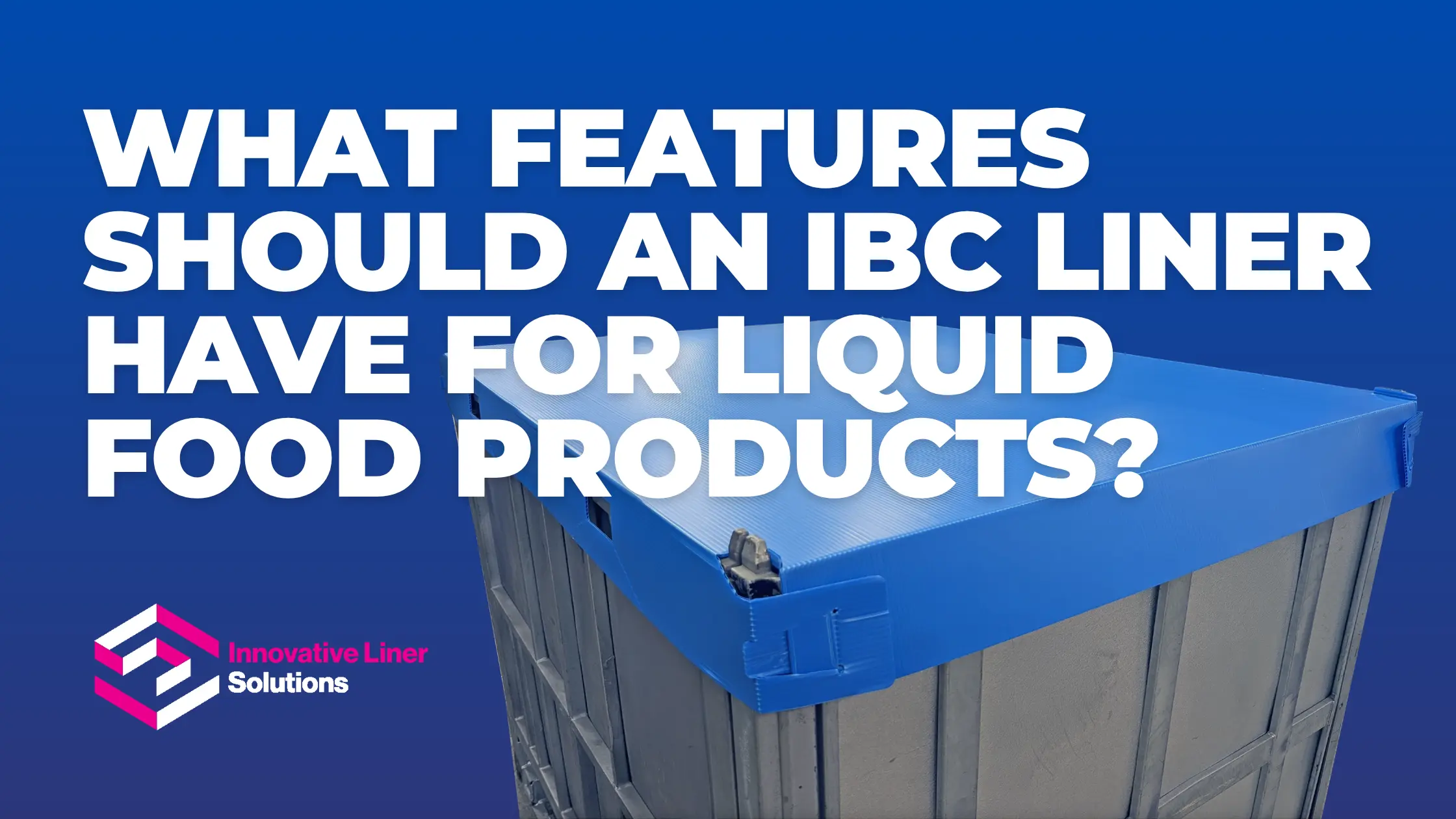

Liquid food products require safe, sanitary, and reliable storage systems to maintain quality during transportation, processing, and packaging. Whether companies are handling syrups, juices, dairy ingredients, flavor concentrates, oils, or beverage products, choosing the right IBC liners plays a major role in protecting product integrity and supporting efficient operations.
Modern food grade IBC liners are designed to help businesses safely manage bulk liquid food products while reducing contamination risks and simplifying handling procedures. These liner systems create a protective barrier between the liquid product and the outer container, helping maintain cleanliness throughout storage and transportation.
Businesses researching IBC Liners for Food & Beverage Storage, Safety & Packaging often discover how advanced liner systems improve food-grade liquid handling while supporting cleaner and more efficient operations across the supply chain.
Why The Right IBC Liner Matters For Food Products
Liquid food products are highly sensitive to contamination, temperature changes, and improper handling conditions. Even small amounts of residue, moisture, or debris can affect product safety, flavor consistency, and shelf life. Because of this, food manufacturers and beverage companies require bulk liquid packaging liners specifically designed for food-contact applications.
High-quality food grade IBC liners help businesses:
- Reduce contamination exposure
- Improve product freshness
- Support sanitary handling procedures
- Simplify container cleaning
- Improve transportation efficiency
- Reduce product waste
- Support regulatory compliance
Choosing the right flexible IBC liners can improve both operational performance and product protection for liquid food applications.
Food-Grade Material Compatibility
One of the most important features an IBC liner should have for liquid food products is food-grade material compatibility. Food grade IBC liners are manufactured using materials designed specifically for safe food-contact applications.
These liners are commonly used for:
- Juice concentrates
- Liquid sweeteners
- Syrups
- Cooking oils
- Dairy ingredients
- Beverage concentrates
- Flavorings
- Water-based food products
Unlike industrial IBC liners used for chemicals or automotive products, food grade liner systems are engineered to support sanitary storage and transportation conditions for consumable liquids.
Businesses should always verify that the liner material is appropriate for the specific liquid product being handled to help maintain product quality and safety.
Strong Barrier Protection
Barrier protection is another essential feature in beverage IBC liners and food-grade liquid storage systems. Liquid food products can be
sensitive to environmental exposure, including oxygen,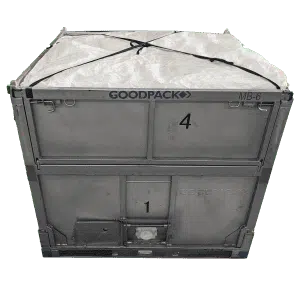 moisture, light, and outside contaminants.
High-quality IBC tote liners for liquids often include multilayer construction designed to help protect products during transportation
and long-term storage. Strong barrier protection helps preserve freshness, flavor consistency, and product integrity
throughout the supply chain.
Barrier liners can help reduce:
- Product contamination risks
- Moisture intrusion
- Oxidation exposure
- Flavor degradation
- External odor transfer
These protective features are especially important for sensitive beverage and food ingredients transported over long distances.
Leak Resistance And Durability
Food manufacturers and beverage suppliers often transport large volumes of liquid products between production facilities, storage warehouses, and distribution centers. Durable flexible IBC liners help support safer transportation by reducing the risk of punctures, tears, or leaks during handling and shipping.
Reliable industrial IBC liners designed for food applications should provide:
- Strong seam construction
- Puncture resistance
- Tear resistance
- Flexible material performance
- Secure filling and discharge systems
Leak prevention is critical for maintaining sanitary conditions and reducing product loss during transportation and storage.
Efficient Filling And Dispensing Systems
Another important feature to look for in food grade IBC liners is efficient filling and dispensing capability. Different liquid food products require different handling systems depending on viscosity, flow rate, and processing requirements.
Modern bulk liquid packaging liners may include:
- Top-fill openings
- Bottom discharge valves
- Pump-compatible fittings
- Venting systems
- Closed transfer options
These features help improve operational efficiency while supporting cleaner dispensing and transfer procedures. Efficient product evacuation also helps reduce leftover residue and minimize waste.
Easy Product Recovery
Flexible IBC liners are popular for liquid food applications because they improve product recovery during dispensing. As liquid is removed from the container, the liner collapses inward, allowing more usable product to be extracted.
This helps businesses:
- Reduce wasted product
- Improve dispensing efficiency
- Lower cleanup requirements
- Maximize product yield
For companies handling expensive ingredients or specialty food products, improved product recovery can create significant operational advantages.
Temperature Compatibility
Some liquid food products require controlled temperature conditions during storage and transportation. Beverage concentrates, dairy ingredients, syrups, and oils may all respond differently to heat or cold exposure.
High-quality beverage IBC liners should be compatible with the intended storage environment, including:
- Hot-fill applications
- Refrigerated storage
- Temperature fluctuations during transport
- Warehouse storage conditions
Selecting flexible IBC liners designed for the intended temperature range helps maintain product consistency and packaging performance.
Sanitary Design Features
Food-grade liquid handling systems should always prioritize sanitation. Beverage IBC liners and food grade IBC liners are often designed with sanitary features that help minimize contamination exposure during filling, transportation, and dispensing.
Important sanitary features may include:
- Smooth interior surfaces
- Closed transfer systems
- Secure sealing mechanisms
- Sterile filling compatibility
- Reduced contamination exposure points
Cleaner handling systems help improve food safety while supporting compliance with food processing standards.
Versatility Across Multiple Industries
Many companies use IBC liners across several industries, not just food and beverage processing. Modern liner technology supports a wide range of liquid handling applications, including chemicals, industrial fluids, and automotive products.
For example:
- IBC liners for chemicals are designed for industrial solvents and additives
- Chemical resistant IBC liners help contain aggressive compounds safely
- IBC liners for automotive fluids support lubricant and coolant storage
- Industrial IBC liners are commonly used in manufacturing and processing facilities
Businesses exploring IBC Liners for Food, Beverage, Automotive & Chemical Packaging often appreciate the flexibility of modern liner systems for many different liquid storage needs.
Why Businesses Choose Flexible IBC Liners
Flexible IBC liners continue to grow in popularity because they help improve operational efficiency while reducing contamination concerns and container maintenance requirements.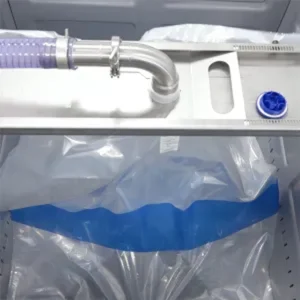
Benefits of using flexible IBC liners for liquid food products include:
- Cleaner storage conditions
- Reduced cleaning requirements
- Better product protection
- Improved transportation efficiency
- Easier dispensing
- Reduced residue buildup
- Faster container turnaround
These advantages make food grade IBC liners a valuable solution for businesses handling bulk liquid food and beverage products.
Choosing The Right Food Grade IBC Liner Supplier
Selecting the right liner provider is just as important as selecting the liner itself. Experienced suppliers can help businesses identify liner systems compatible with their products, transportation requirements, and operational processes.
Food manufacturers should evaluate:
- Material compatibility
- Product viscosity
- Dispensing requirements
- Transportation conditions
- Storage temperatures
- Filling system compatibility
Working with knowledgeable providers helps businesses choose dependable beverage IBC liners and industrial IBC liners tailored to their specific applications.
Final Thoughts On Features For Food Grade IBC Liners
The best IBC liners for liquid food products are designed to support sanitary storage, contamination prevention, efficient dispensing, and reliable transportation. Features such as food-grade material compatibility, strong barrier protection, leak resistance, temperature compatibility, and sanitary handling systems all contribute to safer and more efficient food-grade liquid management.
Whether handling syrups, dairy products, beverage concentrates, oils, or liquid ingredients, businesses can benefit from high-quality food grade IBC liners and bulk liquid packaging liners designed for demanding food and beverage applications.
To learn more about food grade IBC liners, beverage IBC liners, flexible IBC liners, and industrial liquid packaging solutions, call 800-758-8079 or send a message through the website today.