

Choosing the right IBC liners for chemical storage is an important step in protecting industrial liquids during transportation, storage, and dispensing. Different chemicals have unique compositions, temperature sensitivities, and handling requirements, which means not every liner system is suitable for every product. Selecting a chemical-compatible liner helps businesses improve safety, reduce contamination risks, and maintain product integrity throughout the supply chain.
Modern industrial IBC liners are designed to support a wide range of applications involving chemicals, automotive fluids, food products, and industrial liquids. Businesses exploring solutions for IBC Liners for Chemical Storage & Packaging often discover how advanced liner systems improve bulk liquid handling while supporting safer and more efficient storage operations.
Why Chemical Compatibility Matters
Chemical compatibility refers to how well a liner material can safely contain a specific liquid product without degrading, leaking, or affecting the quality of the product inside. Some chemicals are highly reactive and may damage incompatible packaging materials over time.
Using the wrong liner system can lead to:
- Product contamination
- Packaging degradation
- Leakage risks
- Reduced product stability
- Transportation issues
- Increased maintenance costs
That is why businesses handling industrial liquids often rely on chemical resistant IBC liners designed specifically for demanding chemical storage applications.
Understand The Chemical Composition
One of the first steps in selecting IBC liners for chemicals is understanding the composition of the liquid being stored. Different chemicals react differently depending on their acidity, solvent content, concentration, and temperature sensitivity.
Businesses should evaluate whether the product contains:
- Corrosive compounds
- Solvents
- Oxidizers
- Additives
- Oils or lubricants
- High-viscosity ingredients
- Temperature-sensitive materials
High-quality chemical resistant IBC liners are engineered to withstand exposure to many industrial fluid formulations while helping maintain structural integrity during transportation and storage.
Evaluate Storage And Transportation Conditions
Storage and transportation environments can significantly impact liner performance. Businesses should choose industrial IBC liners designed to handle the conditions their products will experience throughout the supply chain.
Important factors to consider include:
- Outdoor storage exposure
- Long-distance transportation
- Warehouse temperature fluctuations
- Hot-fill applications
- Cold storage requirements
- Product storage duration
Flexible IBC liners designed for the proper operating environment help improve reliability while reducing packaging concerns.
Choose Durable Liner Materials
Durability is another important factor when selecting bulk liquid packaging liners for chemical applications. Industrial liquids are often stored and transported under demanding conditions, requiring liner systems capable of resisting punctures, tearing, and chemical degradation.
Reliable IBC tote liners for liquids are commonly designed to resist:
- Punctures
- Abrasion
- Pressure changes
- Chemical exposure
- Long-term product contact
Businesses transporting hazardous or specialty chemicals often choose multilayer industrial IBC liners because they provide additional strength and barrier protection.
Look For Strong Barrier Protection
Some industrial chemicals are highly sensitive to moisture, oxygen, and environmental exposure. Strong barrier protection helps preserve product integrity while reducing contamination risks during storage and transport.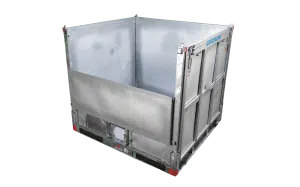
Advanced flexible IBC liners may help protect chemicals from:
- Moisture intrusion
- Oxygen exposure
- Odor transfer
- Environmental contaminants
- Product degradation
Barrier protection is especially important for specialty manufacturing compounds, industrial additives, and long-term storage applications.
Consider Dispensing And Filling Requirements
Different chemicals require different handling systems depending on product viscosity and dispensing needs. Choosing IBC liners with the proper filling and discharge features can improve operational efficiency and reduce product waste.
Many industrial IBC liners include options such as:
- Top-fill openings
- Bottom discharge valves
- Pump-compatible systems
- Closed transfer systems
- Venting systems
Efficient dispensing systems help businesses improve fluid handling while supporting safer transfer procedures.
Product Recovery And Reduced Waste
Flexible IBC liners are often preferred because they improve product recovery during dispensing. As liquid is removed, the liner collapses inward, helping businesses extract more usable product while minimizing leftover residue.
Improved product recovery can help businesses:
- Reduce product waste
- Improve dispensing efficiency
- Simplify container maintenance
- Lower operational costs
- Improve overall productivity
These advantages make flexible liner systems a valuable solution for facilities handling expensive industrial chemicals.
Contamination Prevention Benefits
Contamination prevention is one of the primary reasons businesses use industrial IBC liners for chemical storage. Dirt, moisture, residue, or outside contaminants can compromise product quality and create operational challenges.
Chemical resistant IBC liners help create a protective interior barrier between the chemical product and the outer reusable container. This helps reduce contamination exposure throughout storage, transportation, and dispensing operations.
Businesses using IBC liners for chemicals often benefit from:
- Cleaner storage conditions
- Reduced cross-contamination risks
- Simplified maintenance
- Faster container turnaround
- Improved product consistency
Cleaner handling systems help improve safety and operational reliability across many industries.
Why Flexible IBC Liners Are Popular
Flexible IBC liners continue to grow in popularity because they improve fluid handling efficiency while reducing maintenance and cleaning requirements.
Benefits of flexible IBC liners include:
- Better product protection
- Improved transportation efficiency
- Reduced residue buildup
- Cleaner dispensing procedures
- Simplified maintenance
- Improved product recovery
These benefits make bulk liquid packaging liners an effective solution for industrial chemical storage and transportation.
The Difference Between Chemical And Food Grade IBC Liners
While chemical resistant IBC liners are designed for industrial compounds and hazardous liquids, other industries require specialized liner systems designed for consumable products.
For example:
- Food grade IBC liners are used for food ingredients and liquid food products
- Beverage IBC liners help transport beverage concentrates and syrups
- IBC liners for automotive fluids are commonly used for oils, coolants, lubricants, and additives
Companies handling multiple product categories often use customized liner systems designed specifically for each application.
Businesses exploring IBC Liners for Food, Beverage, Automotive & Chemical Packaging often appreciate the versatility modern liner technology provides across multiple industries.
Work With Experienced Packaging Providers
Because every chemical product has unique storage and transportation requirements, working with experienced packaging specialists is important when selecting industrial IBC liners.
Knowledgeable providers can help businesses evaluate:
- Chemical compatibility
- Temperature requirements
- Dispensing needs
- Transportation conditions
- Product viscosity
- Storage timelines
Choosing the right chemical-compatible liner system helps businesses improve product protection while supporting safer and more efficient fluid handling operations.
Final Thoughts On Choosing Chemical-Compatible IBC Liners
Selecting the proper IBC liners for chemicals involves evaluating compatibility, durability, barrier protection, temperature resistance, and operational requirements. High-quality chemical resistant IBC liners help businesses safely manage industrial liquids while improving storage efficiency and contamination prevention throughout the supply chain.
Whether your operation handles industrial chemicals, lubricants, additives, solvents, or specialty compounds, dependable industrial IBC liners and bulk liquid packaging liners can help improve product protection and operational performance.
To learn more about flexible IBC liners, industrial IBC liners, chemical resistant IBC liners, and chemical storage solutions, call 800-758-8079 or send a message through the website today.