
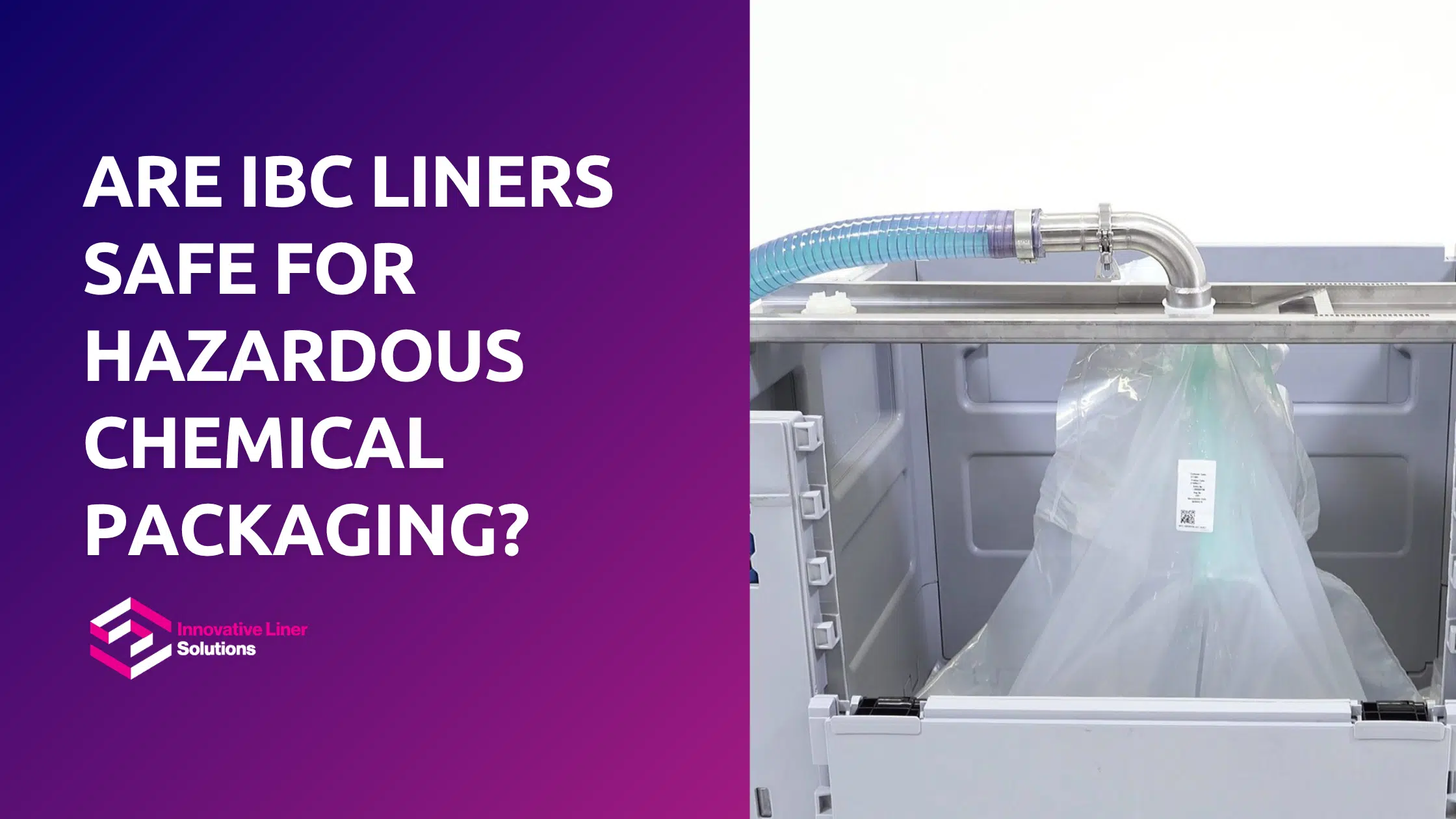

Hazardous chemical storage and transportation require packaging systems that can safely contain industrial liquids while reducing contamination risks and supporting regulatory compliance. Businesses that handle solvents, industrial cleaners, additives, corrosive compounds, and specialty chemicals often rely on IBC liners to improve safety and efficiency during bulk liquid handling operations.
Modern industrial IBC liners are designed to provide durable containment for many types of hazardous and non-hazardous chemicals. When properly selected for chemical compatibility and intended use, high-quality chemical resistant IBC liners can help businesses safely manage transportation, storage, and dispensing of industrial liquids.
Companies exploring solutions for IBC Liners for Chemical Storage & Packaging often discover how advanced liner systems improve fluid protection while supporting safer and more efficient chemical handling operations.
Why Hazardous Chemical Packaging Requires Specialized Solutions
Hazardous chemicals can present unique storage challenges depending on their composition, temperature sensitivity, corrosiveness, and reactivity. Standard packaging materials may not always provide the protection necessary for long-term chemical storage or transportation.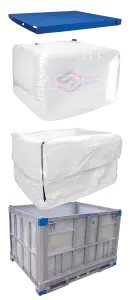
That is why many facilities use IBC liners for chemicals specifically designed for industrial applications involving demanding fluid formulations. These liner systems help create a barrier between the chemical product and the outer container while supporting cleaner and more controlled handling procedures.
Businesses using flexible IBC liners for hazardous chemicals often aim to improve:
- Product protection
- Leak prevention
- Contamination control
- Transportation safety
- Dispensing efficiency
- Maintenance procedures
- Operational reliability
High-quality bulk liquid packaging liners can help support safer chemical management throughout the supply chain.
Are IBC Liners Safe For Hazardous Chemicals?
Yes, properly selected IBC liners can be safe for hazardous chemical packaging when they are designed for chemical compatibility and used according to manufacturer recommendations. The key is choosing chemical resistant IBC liners engineered to handle the specific compounds being stored or transported.
Different hazardous chemicals require different liner materials depending on factors such as:
- Acidity or alkalinity
- Solvent content
- Oxidizing properties
- Temperature sensitivity
- Viscosity
- Concentration levels
Selecting the wrong liner material could lead to packaging degradation or contamination concerns, which is why compatibility evaluation is essential for safe hazardous chemical storage.
Chemical Compatibility Is Critical
One of the most important considerations when using IBC liners for chemicals is ensuring the liner material is compatible with the product being stored.
Chemical resistant IBC liners are commonly used for:
- Solvents
- Degreasers
- Cleaning compounds
- Industrial additives
- Corrosive liquids
- Specialty manufacturing chemicals
- Agricultural compounds
High-quality industrial IBC liners are designed to withstand exposure to demanding fluid formulations while maintaining structural integrity during transportation and storage.
Businesses handling hazardous chemicals should always work with experienced packaging providers to help determine the best liner material for their application.
Contamination Prevention Benefits
Contamination prevention is one of the biggest advantages of using flexible IBC liners for hazardous chemical packaging. Industrial chemicals can become compromised if exposed to dirt, debris, moisture, or residue from previous product loads.
Flexible IBC liners create a sealed interior barrier that helps reduce contamination exposure throughout storage and transportation. This helps businesses maintain cleaner handling conditions while protecting chemical product quality.
Benefits of contamination prevention include:
- Improved product consistency
- Reduced residue transfer
- Cleaner dispensing procedures
- Better storage reliability
- Reduced cross-contamination risks
Many facilities rely on industrial IBC liners because they help simplify handling procedures while improving overall chemical storage safety.
Leak Prevention And Product Containment
Hazardous chemical leaks can create serious operational, environmental, and safety concerns. High-quality bulk liquid packaging liners help reduce leak risks by providing durable liquid containment during transportation and storage.
Chemical resistant IBC liners are often designed with reinforced materials that improve:
- Puncture resistance
- Tear resistance
- Seam durability
- Pressure resistance
- Long-term containment reliability
These features help businesses safely manage hazardous liquids during handling, transport, and dispensing operations.
Improved Transportation Safety
Transporting hazardous chemicals requires dependable packaging systems capable of handling movement, vibration, and changing environmental conditions. Industrial IBC liners help improve transportation safety by stabilizing liquids inside reusable bulk containers.
Businesses transporting chemicals over long distances often use IBC tote liners for liquids because they help:
- Reduce spill risks
- Improve fluid containment
- Simplify loading and unloading
- Support cleaner transportation procedures
- Improve product protection during transit
Reliable transportation packaging helps businesses maintain safer supply chain operations while reducing handling concerns.
Easier Container Maintenance
Traditional chemical storage systems may require extensive cleaning between product loads to remove residue and prevent contamination. Cleaning procedures can increase labor costs, downtime, and operational delays.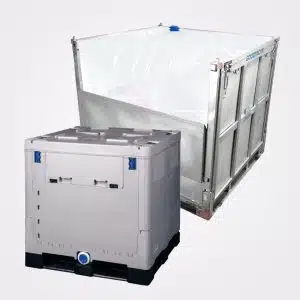
Flexible IBC liners simplify maintenance because the chemical product remains inside the liner rather than directly contacting the reusable outer container. After use, the liner can be removed and replaced, reducing cleaning requirements and simplifying container turnaround.
Businesses using industrial IBC liners often benefit from:
- Reduced maintenance labor
- Faster turnaround times
- Cleaner storage environments
- Lower cleaning costs
- Improved operational efficiency
These advantages make flexible liner systems valuable for facilities handling hazardous chemicals regularly.
Temperature Resistance And Durability
Hazardous chemicals are often stored and transported in varying environmental conditions. Heat, cold, and temperature fluctuations can affect both the chemical product and the liner material.
High-quality chemical resistant IBC liners are designed to withstand challenging industrial environments while maintaining reliable structural performance.
Businesses should evaluate:
- Outdoor storage exposure
- Transportation climate conditions
- Long-term storage requirements
- Product-specific temperature sensitivity
Choosing industrial IBC liners designed for the intended operating environment helps improve safety and long-term performance.
Why Flexible IBC Liners Continue To Grow In Popularity
Flexible IBC liners continue to become more popular because they help businesses improve fluid handling efficiency while reducing contamination and maintenance concerns.
Benefits of flexible IBC liners include:
- Improved product recovery
- Cleaner fluid handling
- Better transportation efficiency
- Reduced contamination exposure
- Simplified dispensing procedures
- Reduced residue buildup
- Improved storage flexibility
These advantages make flexible liner systems a practical solution for many industrial and hazardous chemical applications.
The Difference Between Chemical And Food Grade IBC Liners
While hazardous chemical packaging requires chemical-resistant materials, other industries use liner systems specifically designed for consumable products.
For example:
- Food grade IBC liners are used for food ingredients and liquid food products
- Beverage IBC liners support beverage concentrate transportation
- IBC liners for automotive fluids are commonly used for oils, lubricants, and coolants
Businesses operating across multiple industries often rely on customized liner systems tailored to the specific products they handle.
Companies exploring IBC Liners for Food, Beverage, Automotive & Chemical Packaging often appreciate the versatility of modern liner technology for many liquid storage and transportation applications.
Choosing The Right Hazardous Chemical Packaging Solution
Selecting the right IBC liner for hazardous chemicals involves evaluating product compatibility, transportation conditions, storage requirements, and dispensing needs. Businesses should always choose liner systems specifically engineered for the chemical compounds being handled.
Working with experienced providers can help businesses identify the most effective chemical resistant IBC liners and bulk liquid packaging liners for their operations.
Whether handling industrial solvents, cleaning compounds, additives, or specialty manufacturing chemicals, using dependable industrial IBC liners can help improve safety, contamination prevention, and operational efficiency throughout the supply chain.
To learn more about IBC liners for chemicals, flexible IBC liners, industrial IBC liners, and hazardous chemical packaging solutions, call 800-758-8079 or send a message through the website today.