


How Should Antifreeze and Coolant Be Stored in Bulk?
Antifreeze and coolant are essential automotive fluids that regulate engine temperature, prevent corrosion, and protect critical components from freezing or overheating. When stored in bulk, these fluids require careful handling to maintain chemical stability, prevent contamination, and ensure workplace safety....
How Do You Prevent Contamination in Bulk Oil Storage?
Preventing contamination in bulk oil storage is essential for protecting lubricant performance, extending equipment life, and maintaining safe, efficient operations. Even small amounts of moisture, dirt, or cross-contamination can degrade oil quality, reduce effectiveness, and lead to costly mechanical issues....
What Containers Are Best for Automotive Lubricants?
Automotive lubricants play a critical role in protecting engines, transmissions, and hydraulic systems from wear and overheating. Because these fluids are often handled in large volumes, selecting the right containers is essential for maintaining product integrity, ensuring workplace safety, and...
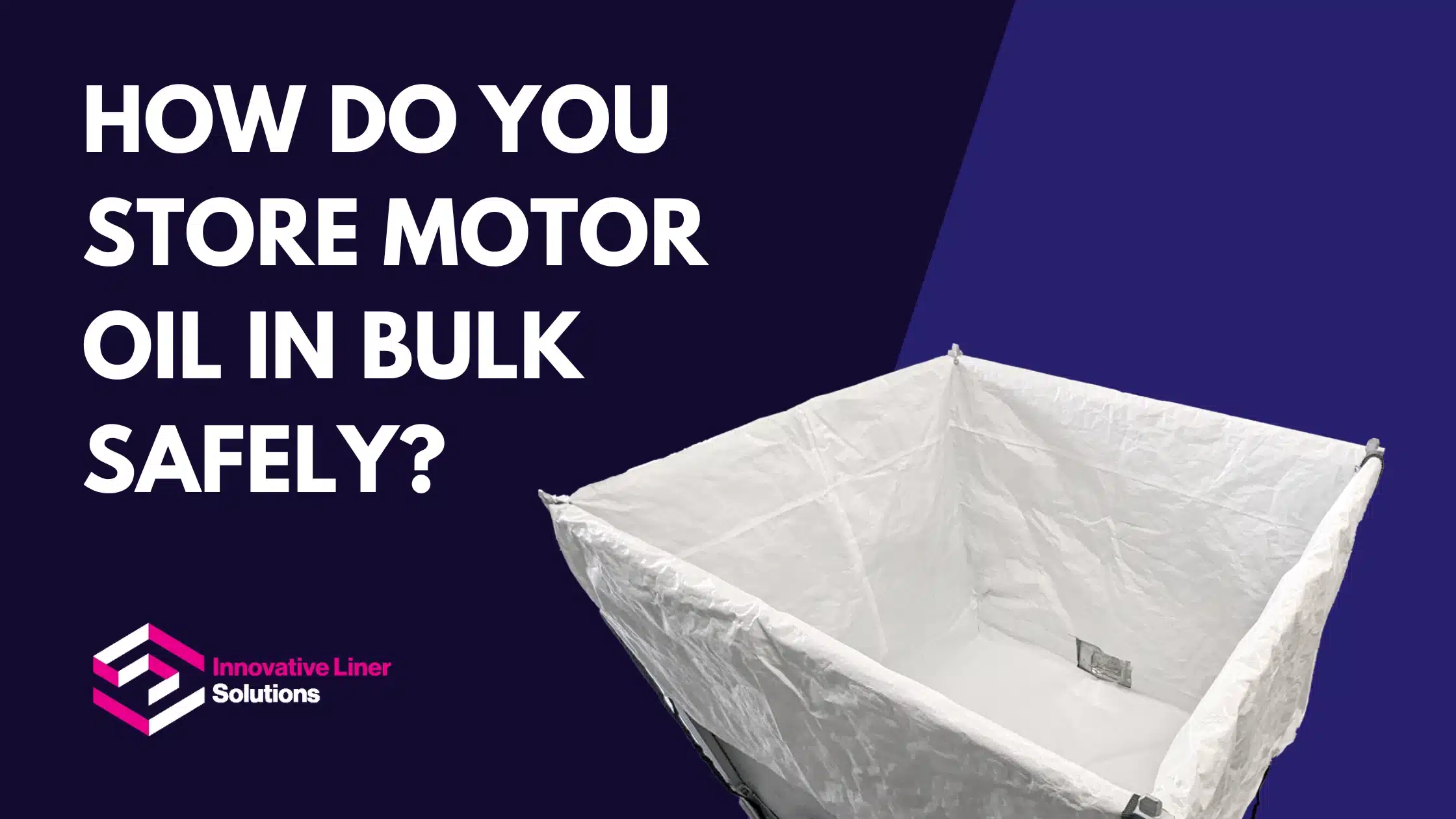
How Do You Store Motor Oil in Bulk Safely?
Storing motor oil in bulk is a common requirement for automotive manufacturers, distributors, service centers, and industrial facilities that handle high volumes of lubricants. While bulk storage improves efficiency and reduces packaging waste, it also introduces safety, environmental, and compliance...

Why Choose IBC Liners For Bulk Chemical Packaging
The Growing Importance of Safe and Efficient Chemical Packaging Chemical manufacturers, distributors, and industrial facilities rely on packaging systems that protect product quality, maintain safety, and support regulatory compliance. Industrial liquid containers provide the structural framework needed for handling and...
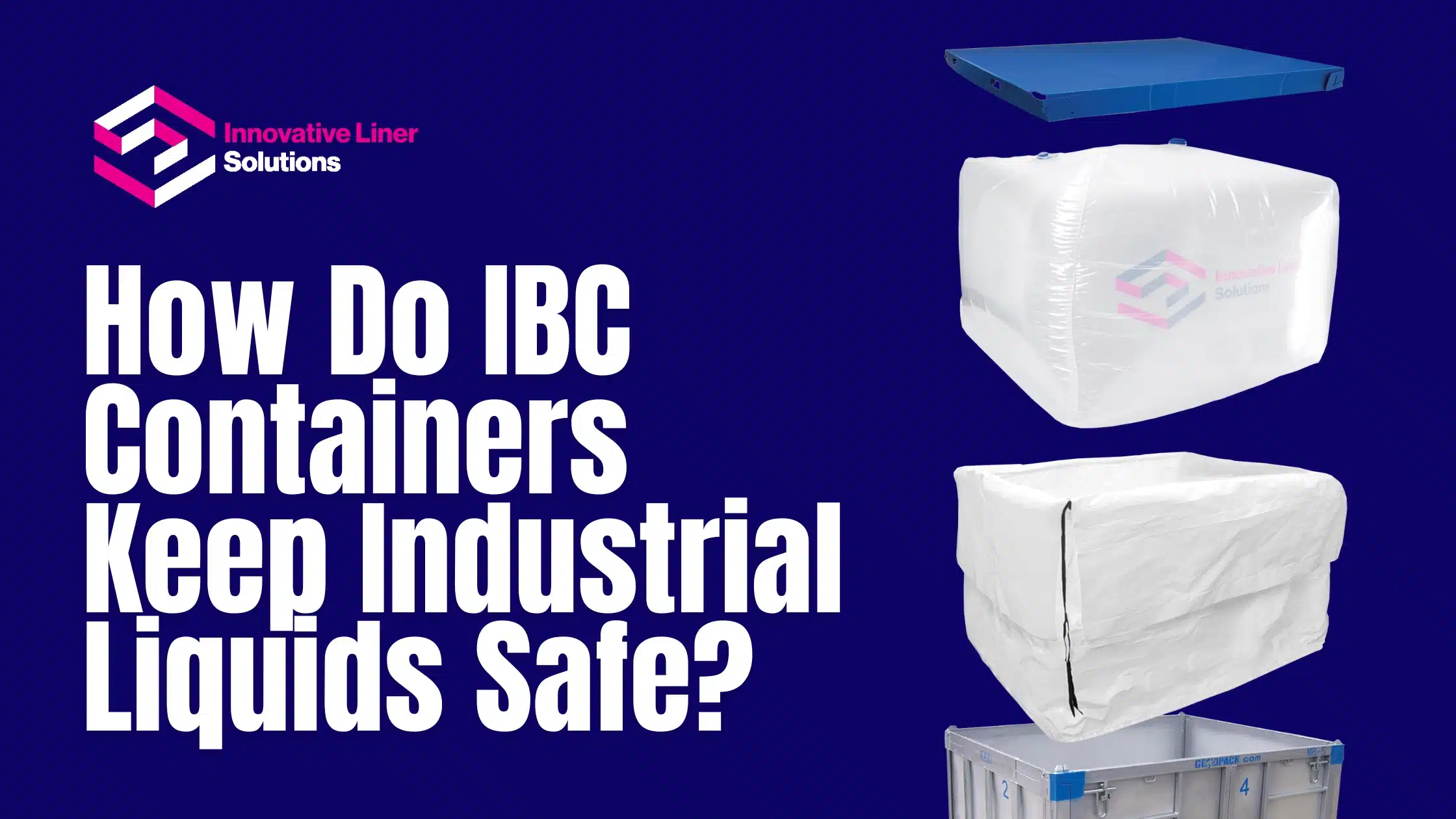
How Do IBC Containers Keep Industrial Liquids Safe?
Why Safety Matters in Industrial Liquid Storage and Transport Industrial liquids—including chemicals, solvents, oils, coatings, and treatment agents—must be packaged in containers that maintain product purity, prevent leaks, and withstand demanding handling conditions. This is why industrial liquid containers play...
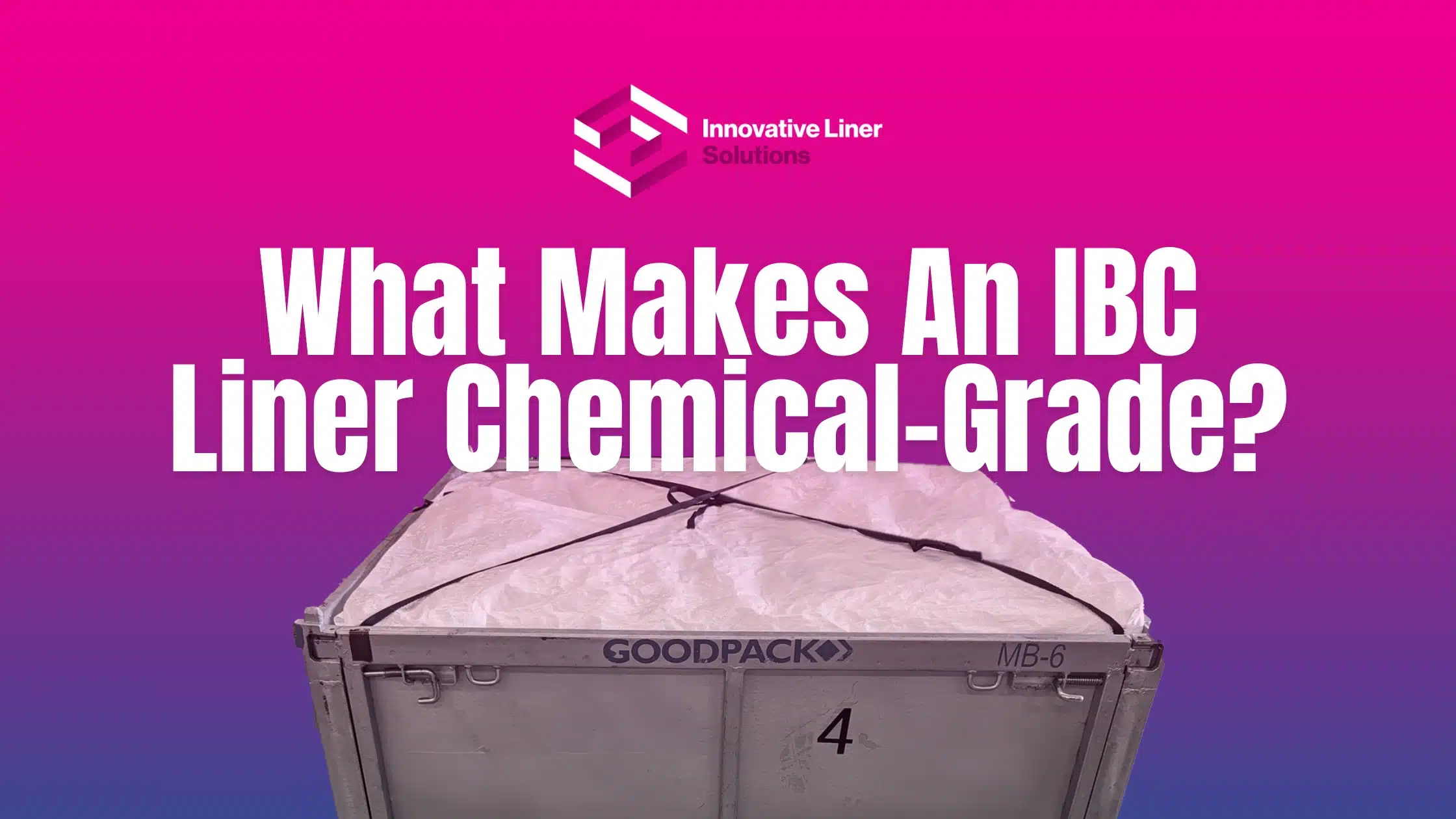
What Makes An IBC Liner Chemical-Grade?
Understanding the Purpose of Chemical-Grade IBC Liners Industries that handle bulk liquid chemicals depend on reliable packaging systems that protect product purity, maintain safety, and support regulatory compliance. While industrial liquid containers provide the structure needed for storage and transport,...

Why Invest In Chemical-Grade Packaging For Bulk Liquids?
The Importance of Reliable Packaging in Chemical Handling Handling bulk liquid chemicals requires more than just durable containers—it requires packaging engineered specifically to protect the product, the container, and the surrounding environment. Industrial liquid containers play a central role in...
What Type Of Container Is Best For Bulk Liquid Chemicals?
Why Choosing the Right Chemical Container Matters Bulk liquid chemicals must be stored, handled, and transported in containers designed to maintain product purity, prevent contamination, and meet strict regulatory standards. Because chemicals vary widely in reactivity, viscosity, corrosiveness, and stability,...
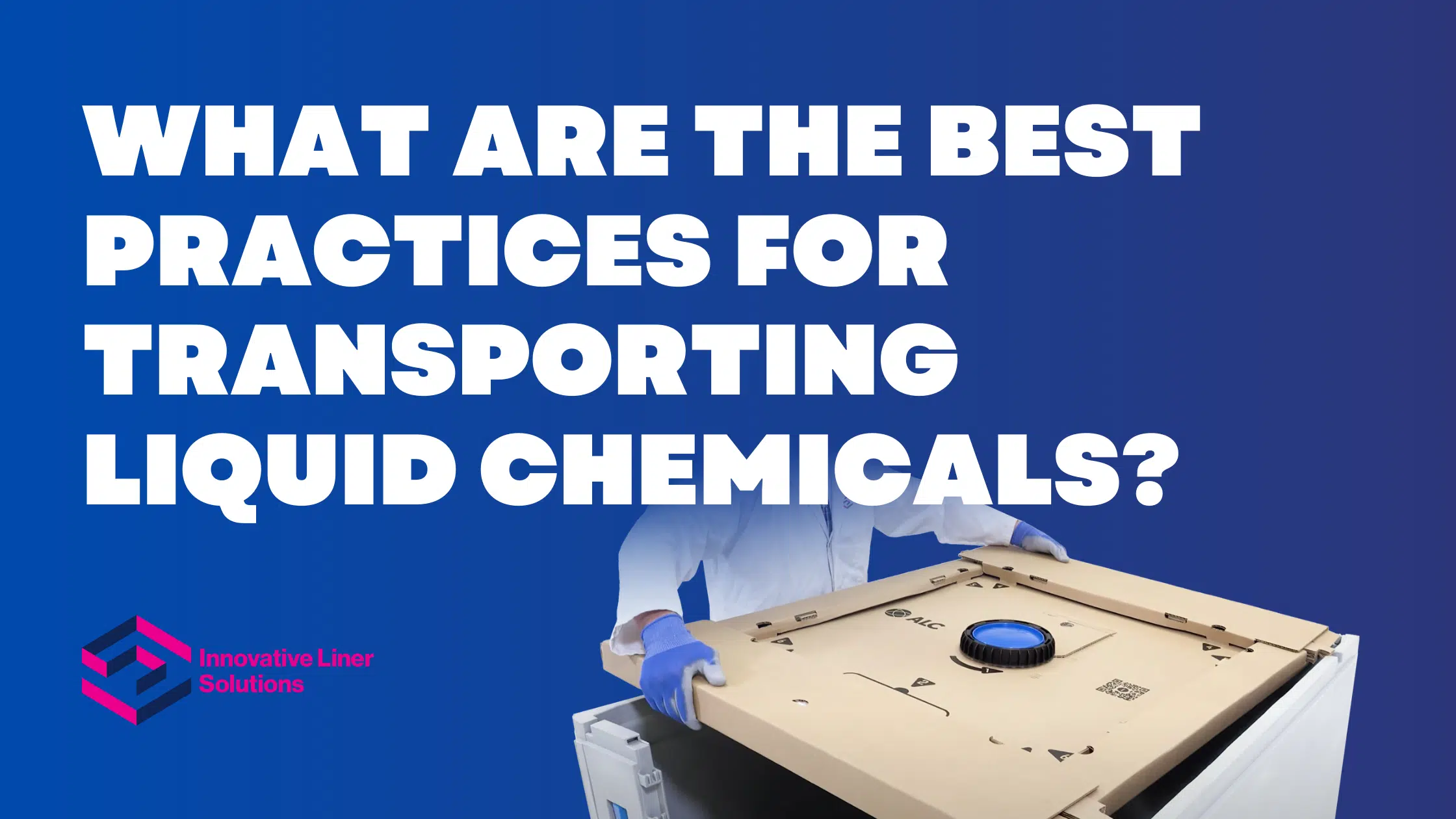
What Are The Best Practices For Transporting Liquid Chemicals?
Why Safe Chemical Transport Requires Careful Planning Transporting liquid chemicals is a process that demands precision, preparation, and strict adherence to safety standards. Whether the chemicals are hazardous, corrosive, flammable, or sensitive to environmental conditions, the packaging used to store...