

What Materials Are Best For Cosmetic Liquid Liners?
A Guide To Selecting High-Performance Liner Materials For Cosmetic Manufacturing Selecting the right material for cosmetic liquid liners is one of the most important decisions in bulk cosmetic manufacturing. The liner film must protect product integrity, resist chemical interaction, maintain...

How Do You Choose Liners For Bulk Cosmetic Liquids?
How Do You Choose Liners For Bulk Cosmetic Liquids? Selecting the right liners for bulk cosmetic liquids is a critical decision in large-scale cosmetic manufacturing. From shampoos and conditioners to creams, lotions, and serums, bulk formulations require reliable containment systems...
How Do IBC Liners Stop Automotive Fluids From Breaking Down?
Automotive fluids are engineered to perform under demanding conditions, but their effectiveness depends heavily on how they are stored and handled before use. Exposure to air, moisture, contaminants, and incompatible materials can cause fluids to degrade long before they ever...
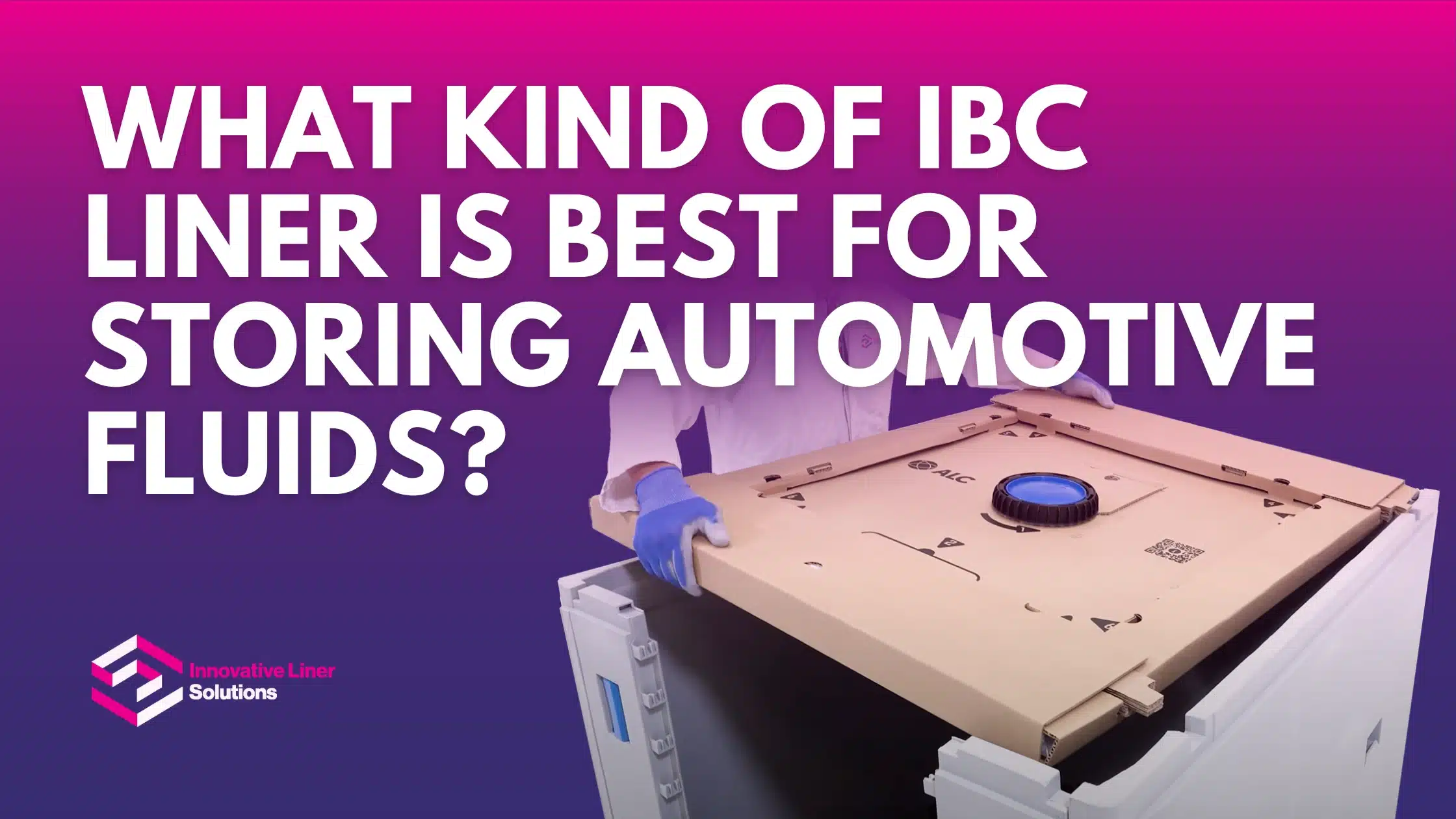
What Kind of IBC Liner Is Best for Storing Automotive Fluids?
Storing automotive fluids in bulk requires careful planning and the right containment system. Fluids such as motor oil, lubricants, antifreeze, brake fluid, hydraulic fluid, and specialty automotive chemicals each have unique properties that can be affected by contamination, temperature changes,...
Why Are Form-Fit IBC Liners Ideal for Bulk Motor Oil Transport?
Transporting motor oil in bulk requires more than just a durable container—it demands a system that protects product integrity, improves efficiency, and reduces operational risk. As automotive and industrial operations continue to scale, many businesses are turning to form-fit IBC...
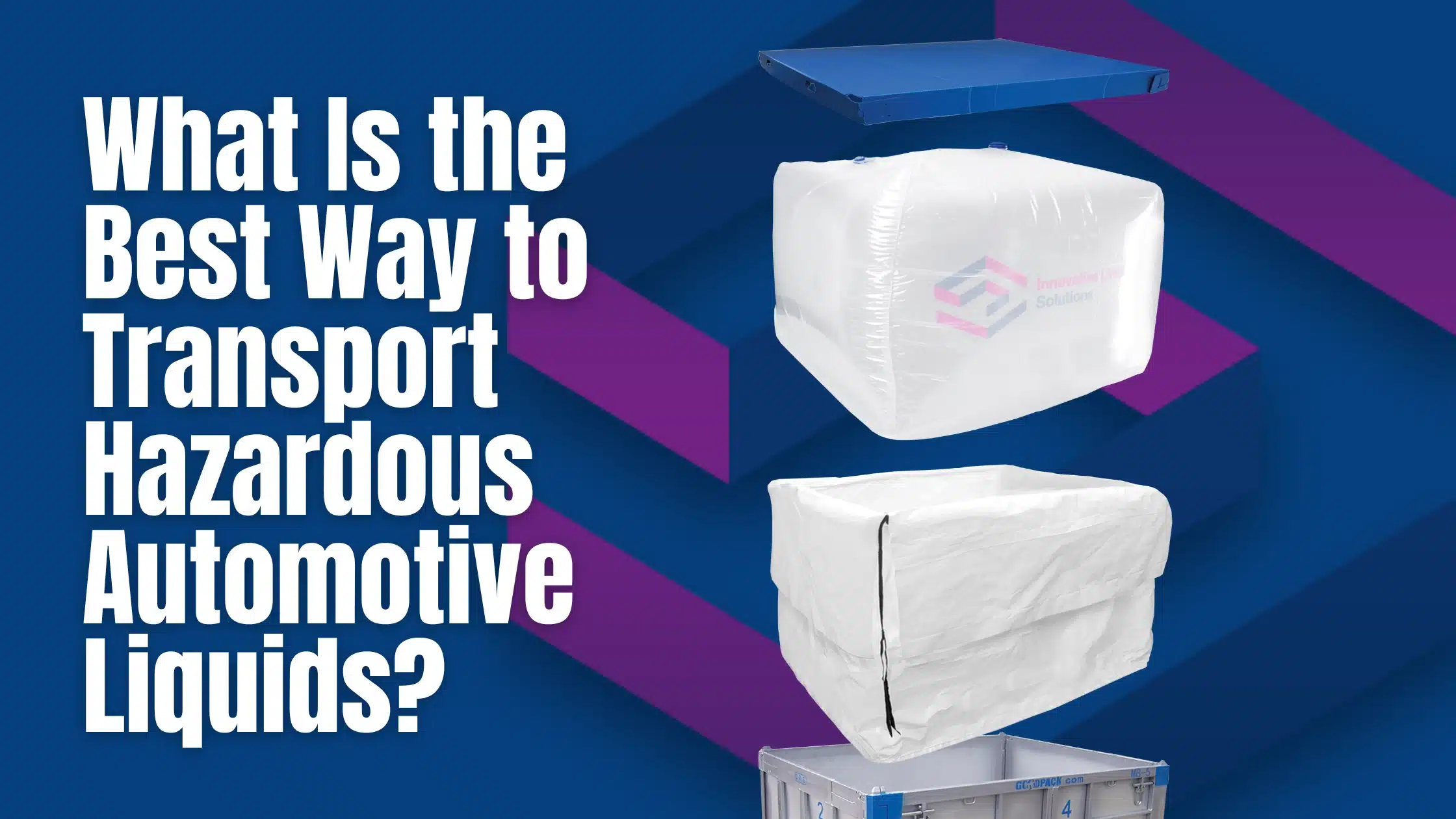
What Is the Best Way to Transport Hazardous Automotive Liquids?
Transporting hazardous automotive liquids requires a careful balance of safety, compliance, and efficiency. Fluids such as motor oil, lubricants, antifreeze, brake fluid, hydraulic fluid, and other automotive chemicals can pose risks if not handled and transported properly. Spills, contamination, and...
What Is the Best Container for Transporting Automotive Fluids?
Transporting automotive fluids safely and efficiently is essential for manufacturers, distributors, service providers, and industrial operations. Fluids such as motor oil, lubricants, coolants, brake fluid, and hydraulic fluid all have unique chemical properties that demand specialized handling. Choosing the best...
What Containers Are Used to Transport Automotive Fluids?
Transporting automotive fluids safely and efficiently is a critical part of modern automotive, industrial, and distribution operations. From motor oil and lubricants to antifreeze, brake fluid, and hydraulic fluids, these liquids require specialized containers that protect product integrity, meet regulatory...
Can Automotive Fluids Be Stored in the Same Type of Container?
Automotive facilities often handle a wide range of fluids—from motor oil and hydraulic fluid to coolant and brake fluid. Because these products are frequently stored and dispensed in bulk, a common question arises: can automotive fluids be stored in the...
What Is the Safest Way to Store Brake Fluid?
Brake fluid is a critical automotive chemical that plays a direct role in vehicle safety. Because it is hygroscopic—meaning it absorbs moisture from the air—it requires especially careful handling and storage. When stored improperly, brake fluid can become contaminated, lose...