


Choosing the right IBC liners for your business is an important step in protecting products, improving storage efficiency, and maintaining safety throughout transportation and handling. Different industries use intermediate bulk containers to store and move liquids ranging from food products and beverages to chemicals, oils, and industrial fluids. Because every product has unique storage requirements, selecting the proper liner can make a significant difference in operational performance.
Modern IBC tote liners for liquids are designed to provide a protective barrier between the product and the outer container. This helps reduce contamination risks, simplify cleanup, and support safer liquid handling. However, not all liners are designed for the same applications. Understanding the factors that affect liner selection can help businesses choose the best option for their specific needs.
Understand What Material Will Be Stored
The first step in selecting the proper IBC liners is identifying exactly what material will be stored inside the container. Different liquids have different chemical properties, viscosity levels, and storage requirements.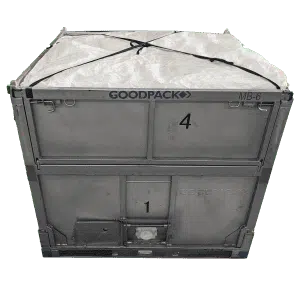
For example, food products require food-safe materials that meet sanitary standards. Chemicals may require specialized barrier protection, while automotive fluids may need liners that resist oil and petroleum-based products.
Common materials stored in flexible IBC liners include:
- Food ingredients
- Beverage concentrates
- Industrial chemicals
- Lubricants
- Oils
- Automotive fluids
- Cleaning solutions
- Water treatment products
Understanding the product itself helps determine the liner’s material composition, durability requirements, and compatibility.
Consider Food And Beverage Requirements
Businesses in food processing and beverage manufacturing often rely on food grade IBC liners to help maintain sanitary conditions during storage and transportation. These liners are designed to reduce contamination risks and help preserve product quality.
Food manufacturers commonly use food grade IBC liners for:
- Syrups
- Sauces
- Cooking oils
- Dairy ingredients
- Fruit concentrates
- Liquid sweeteners
Similarly, beverage IBC liners are often used for juice concentrates, purified water, wine ingredients, and beverage additives. Beverage production environments require strict cleanliness standards, making liner quality especially important.
When selecting liners for food or beverage applications, businesses should look for liners specifically designed for sanitary liquid handling and product protection.
Evaluate Chemical Compatibility
One of the most important considerations when choosing IBC liners for chemicals is chemical compatibility. Certain chemicals can react with liner materials, causing degradation, leaks, or contamination if the wrong liner is selected.
Chemical resistant IBC liners are engineered to handle aggressive liquids and specialty industrial products. These liners often feature multilayer construction that improves resistance to permeation and corrosion.
Industries commonly using chemical resistant IBC liners include:
- Manufacturing
- Agriculture
- Water treatment
- Industrial cleaning
- Paint and coatings
- Adhesive production
Before selecting a liner, businesses should review compatibility guidelines and verify the liner is suitable for the specific chemicals being stored.
Account For Automotive Fluid Storage
Automotive products also require careful liner selection. Many companies use IBC liners for automotive fluids because they help simplify handling while protecting sensitive products during transportation.
Products commonly stored in these liners include:
- Motor oils
- Coolants
- Transmission fluids
- Hydraulic fluids
- Lubricants
- Industrial oils
The right liner helps reduce contamination while supporting efficient dispensing and storage operations. Liners used for automotive products should be durable enough to handle heavier fluid weights and varying transportation conditions.
Choose The Right Barrier Protection
Different products require different levels of barrier protection. Some liquids are sensitive to oxygen exposure, moisture, or temperature fluctuations. In these situations, selecting advanced bulk liquid packaging liners with appropriate barrier layers is essential.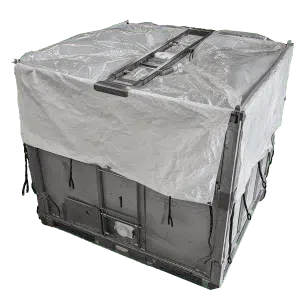
Barrier protection helps:
- Preserve product freshness
- Prevent contamination
- Reduce oxidation
- Maintain chemical stability
- Extend shelf life
Industrial facilities often rely on industrial IBC liners with enhanced protective layers when handling sensitive or specialty materials. Choosing the correct barrier system helps maintain product integrity from filling to final delivery.
Businesses looking for dependable storage solutions across multiple industries often explore IBC Liners for Food, Beverage, Automotive & Chemical Packaging to support a wide range of liquid handling applications.
Consider Filling And Dispensing Requirements
Not every operation handles liquids the same way. Some businesses require top-fill systems, while others need bottom-dispensing systems for controlled product release. The liner design should support the workflow and dispensing process used within the facility.
Questions to consider include:
- How will the liner be filled?
- Will the product require pumping?
- Is gravity dispensing needed?
- How quickly must products be unloaded?
- Does the product leave residue behind?
Choosing the right fitment and dispensing configuration can improve efficiency while minimizing waste during production and transportation.
Think About Transportation Conditions
Transportation environments can significantly impact liner performance. Products may experience vibration, shifting, temperature changes, or extended storage periods during transit.
Flexible IBC liners designed for transportation applications help reduce product movement while maintaining structural integrity throughout shipping. Businesses transporting liquids over long distances should prioritize liners that offer durability and puncture resistance.
Industrial operations using bulk liquid packaging liners often benefit from liners specifically designed for export shipping, warehouse storage, and large-scale distribution systems.
Work With Experienced Packaging Specialists
Because there are many liner configurations available, working with experienced packaging professionals can simplify the selection process. Packaging specialists can help evaluate product compatibility, transportation requirements, storage conditions, and dispensing needs to recommend the most effective solution.
Choosing the correct liner not only improves operational efficiency but also helps reduce waste, lower cleanup costs, and protect valuable products throughout the supply chain.
Whether your business handles food products, industrial chemicals, automotive fluids, or specialty liquids, selecting the right IBC liner is essential for safe and efficient storage.
To learn more about high-quality IBC liners designed for a variety of industries, call 800-758-8079 or send a message through the website today.