


Businesses across food processing, chemical manufacturing, automotive operations, and industrial production rely on secure storage and transportation systems to keep liquids protected from contamination and leaks. One solution that continues to grow in popularity is the use of IBC liners. These liners are designed to fit inside intermediate bulk containers (IBCs), creating a protective barrier between the product and the outer container.
Because of their flexibility, durability, and compatibility with a wide range of products, IBC liners are used in many industries to safely store and transport liquids, semi-liquids, and specialty materials. Understanding what materials can safely be stored in IBC liners helps businesses choose the right packaging solution for their operations.
Understanding IBC Liners
IBC liners are flexible inserts that fit inside rigid IBC totes or containers. They are commonly used to handle liquids, syrups, oils, chemicals, and industrial materials that require safe containment.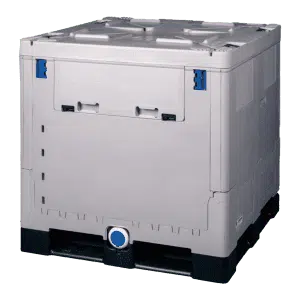 Depending on the application, liners can be manufactured with different layers, thicknesses, and material compositions to handle specific storage needs.
Many companies choose flexible IBC liners because they help reduce contamination risks, simplify cleanup, and improve product handling efficiency. Instead of cleaning and sanitizing containers between uses, businesses can replace the liner while continuing to use the same outer tote.
Modern bulk liquid packaging liners are engineered to support industries that require strict safety and hygiene standards. This makes them ideal for food-grade applications, sensitive chemical handling, and industrial fluid transportation.
Food Products Safely Stored In IBC Liners
One of the most common applications for food grade IBC liners is storing liquid food products. These liners are specifically manufactured to meet safety standards for food contact applications while helping preserve freshness and quality.
Common food products stored in IBC tote liners for liquids include:
- Cooking oils
- Liquid sweeteners
- Sauces
- Syrups
- Dairy ingredients
- Fruit concentrates
- Liquid flavorings
- Nutritional ingredients
Food manufacturers often use food grade IBC liners because they help prevent cross-contamination and reduce exposure to outside contaminants during storage and transport. The sealed liner system also helps maintain sanitary conditions throughout the supply chain.
Many operations additionally use beverage IBC liners for products such as juices, wine ingredients, beverage concentrates, and purified water. Beverage production requires consistent quality control, and properly selected liners can help preserve product integrity during shipping and storage.
Chemical Storage Applications
Many industrial operations depend on IBC liners for chemicals because chemicals often require specialized containment solutions. Not all liners are designed for chemical compatibility, which is why selecting the proper liner material is essential.
Chemical resistant IBC liners are commonly used for:
- Cleaning solutions
- Industrial detergents
- Agricultural chemicals
- Water treatment products
- Liquid additives
- Paint ingredients
- Adhesives
- Resins
- Specialty coatings
The chemical composition of the stored material determines which liner type should be used. Some liners are engineered with multilayer barrier protection that resists corrosion, chemical degradation, and permeation. This helps maintain product stability while protecting workers and storage environments.
Industrial facilities often rely on industrial IBC liners because they can safely handle large liquid volumes while minimizing waste and reducing cleanup requirements.
Automotive Fluids And Lubricants
The automotive industry also benefits from using IBC liners for automotive fluids. Many automotive products require secure storage because leaks, contamination, or exposure can affect product performance and safety.
Materials commonly stored include:
- Motor oils
- Transmission fluids
- Coolants
- Lubricants
- Hydraulic fluids
- Windshield washer fluids
- Industrial greases
Using properly selected flexible IBC liners helps automotive suppliers transport these fluids efficiently while maintaining product quality. Liners can also simplify inventory handling and reduce container cleaning downtime.
Businesses looking for reliable storage solutions often explore IBC Liners for Food, Beverage, Automotive & Chemical Packaging to support multiple operational applications with one flexible system.
Industrial Liquids And Specialty Materials
Beyond food and automotive uses, industrial IBC liners are widely used for handling specialty industrial materials. These may include both hazardous and non-hazardous products depending on the liner specifications.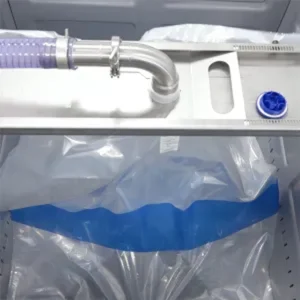
Common industrial applications include:
- Water-based solutions
- Industrial oils
- Liquid polymers
- Latex products
- Ink solutions
- Industrial cleaners
- Process chemicals
- Construction additives
Many industrial businesses choose bulk liquid packaging liners because they provide efficient large-scale storage while improving operational cleanliness. Liners also reduce product waste by allowing more complete dispensing from the container.
Some advanced IBC liners are designed to accommodate temperature-sensitive products or materials requiring oxygen barriers. This helps protect sensitive liquids throughout transportation and storage cycles.
Choosing The Right IBC Liner
Not every liner is suitable for every material. Businesses should carefully evaluate several factors before selecting an IBC liner system, including:
- Chemical compatibility
- Temperature resistance
- Oxygen and moisture barrier requirements
- Product viscosity
- Transportation conditions
- Food safety requirements
- Dispensing needs
For food and beverage applications, certified food grade IBC liners are essential to help maintain compliance and product safety. For industrial chemicals, businesses should verify that the liner offers the necessary resistance properties for the specific liquid being stored.
Working with experienced packaging specialists can help companies identify the right liner configuration for their operational requirements.
Why Businesses Continue To Use IBC Liners
The popularity of IBC liners continues to grow because they offer several operational advantages across industries. These include:
- Reduced contamination risk
- Lower container cleaning costs
- Improved storage efficiency
- Easier transportation
- Faster product changeovers
- Reduced packaging waste
- Better product protection
Whether storing beverages, chemicals, automotive fluids, or industrial materials, IBC tote liners for liquids provide a flexible and cost-effective storage solution for many businesses.
If your business needs dependable storage and transportation solutions for liquids and specialty materials, Innovative Liner Solutions can help. Call 800-758-8079 today or send a message through the website to learn more about high-quality IBC liners designed for food, beverage, automotive, chemical, and industrial applications.