
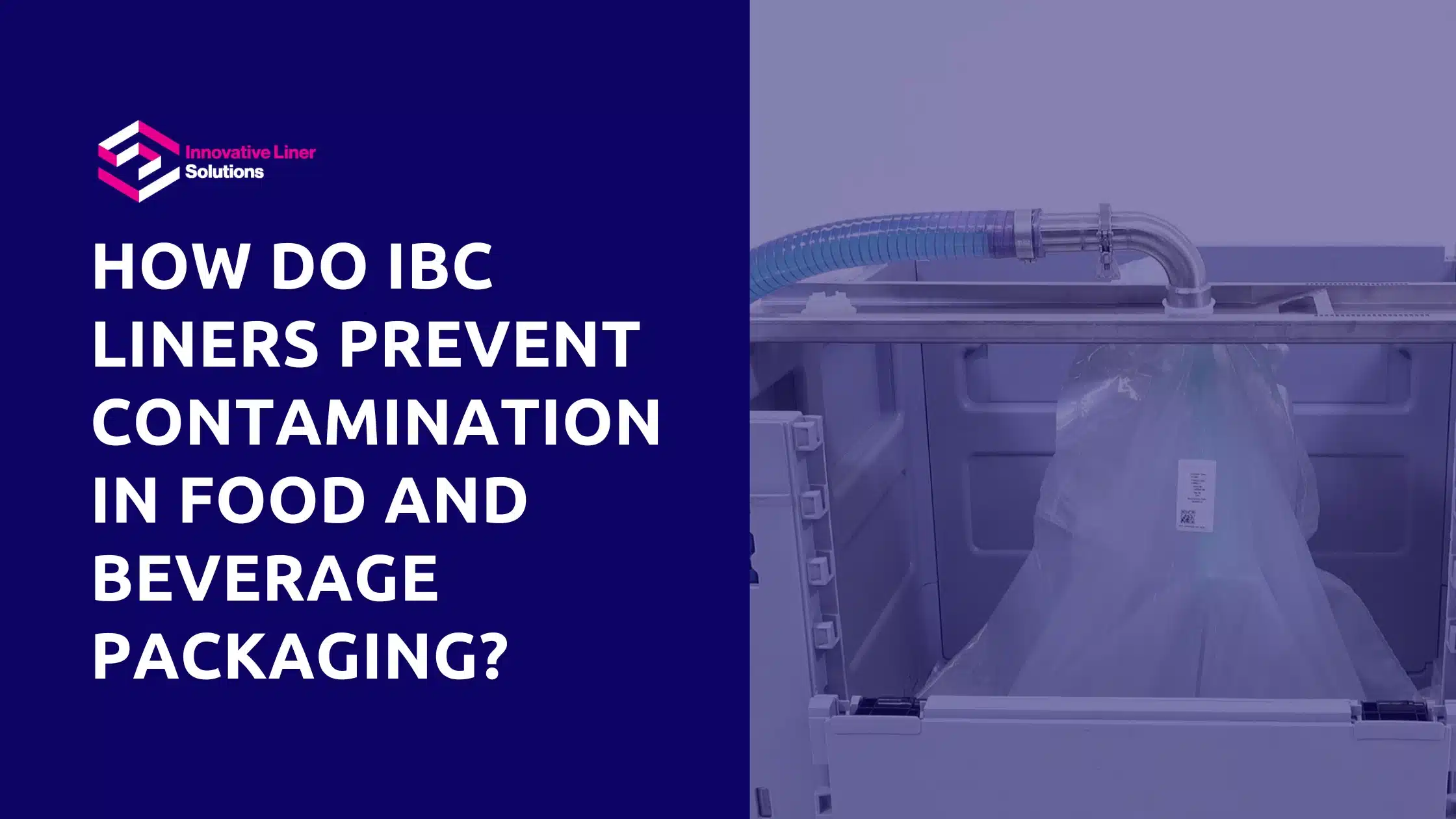

Contamination prevention is one of the most important priorities in food and beverage packaging. Manufacturers, distributors, and processing facilities all rely on sanitary storage systems to protect liquid products throughout transportation, handling, and dispensing. Even small amounts of contamination can affect product quality, flavor consistency, safety, and shelf life, which is why many companies use high-quality IBC liners to support cleaner bulk liquid handling operations.
Modern food grade IBC liners help create a protective barrier between liquid food products and the outer storage container. These liner systems are designed to improve sanitation, reduce contamination risks, and simplify storage and transportation procedures for many liquid food and beverage applications.
Businesses researching IBC Liners for Food & Beverage Storage, Safety & Packaging often discover how advanced liner systems improve food-grade liquid protection while helping companies maintain cleaner and more efficient operations.
Why Contamination Prevention Matters In Food Packaging
Food and beverage products are highly sensitive to contamination from bacteria, moisture, residue, debris, and environmental exposure. During storage and transportation, liquids can come into contact with surfaces, air, or leftover materials from previous shipments if proper containment systems are not used.
Contamination issues can lead to:
- Product spoilage
- Flavor inconsistencies
- Reduced shelf life
- Product recalls
- Increased waste
- Operational delays
- Financial losses
Using reliable bulk liquid packaging liners helps businesses reduce these risks while maintaining product integrity throughout the supply chain.
How Food Grade IBC Liners Create A Protective Barrier
One of the main ways food grade IBC liners prevent contamination is by creating a sealed interior layer between the liquid product and the outer container. Instead of the product touching the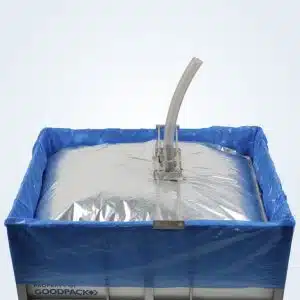 reusable container directly, the liquid remains contained within the liner itself.
This barrier helps protect food and beverage products from:
- Residue from previous loads
- Dust and debris
- Moisture exposure
- External contaminants
- Bacteria buildup
- Environmental exposure
Because the liner serves as the primary contact surface, businesses can maintain cleaner handling conditions while reducing the need for extensive container cleaning between shipments.
Flexible IBC liners are especially useful for liquid food applications because they help improve sanitation while simplifying storage and dispensing procedures.
Reduced Cross-Contamination Risks
Cross-contamination is a major concern in food and beverage operations. If containers are reused without proper cleaning or sanitation, leftover residue from previous products can affect the quality and safety of new product loads.
Food grade IBC liners help reduce cross-contamination risks by providing a clean interior environment for each shipment. Once the product has been dispensed, the liner can be removed and replaced before the next use.
This process helps businesses:
- Maintain sanitary storage conditions
- Improve product consistency
- Reduce cleaning downtime
- Support safer food handling procedures
- Improve operational efficiency
Many companies use beverage IBC liners because they support cleaner liquid transfers for products such as syrups, juices, flavor concentrates, oils, and beverage ingredients.
Cleaner Transportation Conditions
Transportation environments can expose food products to vibration, temperature fluctuations, and environmental contaminants. During shipping, liquid products may move through multiple warehouses, distribution centers, and processing facilities before reaching their final destination.
Industrial IBC liners designed for food-grade applications help protect products during transportation by maintaining a sealed storage environment inside the container. High-quality IBC tote liners for liquids are engineered to support cleaner handling conditions throughout transit.
This is especially important for products such as:
- Beverage concentrates
- Liquid sweeteners
- Dairy ingredients
- Cooking oils
- Syrups
- Water-based food products
- Flavor additives
Maintaining sanitary conditions during transportation helps improve product reliability while supporting food safety standards.
Protection Against Moisture And Oxygen Exposure
Some liquid food products are highly sensitive to oxygen and moisture exposure. Excessive air exposure can affect flavor, freshness, texture, and shelf life for many beverages and liquid ingredients.
Many flexible IBC liners use multilayer barrier materials that help reduce:
- Oxygen intrusion
- Moisture penetration
- Odor transfer
- External contamination
This barrier protection helps preserve product quality throughout long-term storage and transportation processes.
Beverage IBC liners are commonly used for products that require consistent flavor and freshness during shipping and storage.
Improved Dispensing And Product Recovery
Contamination prevention does not stop at storage and transportation. Dispensing systems also play a major role in maintaining sanitary conditions during product handling.
Flexible IBC liners help support cleaner dispensing because the liner collapses inward as liquid is removed. This design minimizes air exposure during dispensing and helps reduce leftover residue inside the container.
Benefits of improved dispensing systems include:
- Reduced product waste
- Cleaner transfers
- Better product recovery
- Reduced contamination exposure
- Simplified cleanup procedures
Efficient dispensing systems are especially valuable for facilities handling large volumes of liquid food products.
Easier Cleaning And Maintenance
Traditional bulk liquid containers often require extensive cleaning between product loads to prevent contamination. Cleaning procedures can increase downtime, labor costs, and operational delays.
Food grade IBC liners simplify maintenance because the liner itself is replaced after use. This reduces direct product contact with the reusable outer container, minimizing residue buildup and cleaning requirements.
Many businesses choose bulk liquid packaging liners because they help:
- Reduce sanitation labor
- Improve turnaround times
- Lower maintenance costs
- Support cleaner operations
- Improve workflow efficiency
These advantages make flexible IBC liners a practical solution for food and beverage facilities handling large-scale liquid operations.
The Difference Between Food Grade And Industrial IBC Liners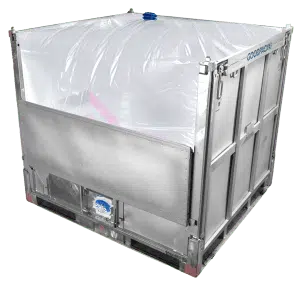
Not all liner systems are intended for food-grade applications. While food grade IBC liners are designed for consumable liquids, other liner systems are manufactured for industrial or chemical use.
For example:
- IBC liners for chemicals are designed for industrial compounds and solvents
- Chemical resistant IBC liners help store aggressive liquid chemicals safely
- IBC liners for automotive fluids are commonly used for oils, coolants, and lubricants
- Industrial IBC liners support manufacturing and industrial processing operations
Businesses handling food products should always use liner systems specifically designed for food-contact applications to help maintain proper safety and sanitation standards.
Companies exploring IBC Liners for Food, Beverage, Automotive & Chemical Packaging often appreciate the versatility of modern liner systems across many industries while recognizing the importance of selecting the correct liner for each application.
Why Flexible IBC Liners Continue To Grow In Popularity
Flexible IBC liners are becoming increasingly popular because they improve contamination prevention while supporting more efficient liquid handling operations. Food manufacturers and beverage suppliers value these systems for their ability to simplify storage, transportation, and dispensing procedures while protecting product quality.
Modern IBC tote liners for liquids help businesses:
- Maintain sanitary conditions
- Reduce contamination risks
- Improve product recovery
- Simplify maintenance
- Reduce cleaning requirements
- Improve transportation efficiency
These benefits make food grade liner systems an important part of many liquid food packaging operations.
Final Thoughts On IBC Liners And Contamination Prevention
Food grade IBC liners provide an effective solution for preventing contamination in food and beverage packaging operations. By creating a protective barrier between liquid products and reusable containers, these liner systems help preserve product quality while supporting cleaner storage, transportation, and dispensing procedures.
Whether handling beverage concentrates, syrups, oils, dairy ingredients, or liquid flavorings, businesses can benefit from using dependable bulk liquid packaging liners designed for sanitary food-grade applications.
To learn more about food grade IBC liners, beverage IBC liners, industrial IBC liners, and flexible IBC liners for liquid storage and packaging, call 800-758-8079 or send a message through the website today.