

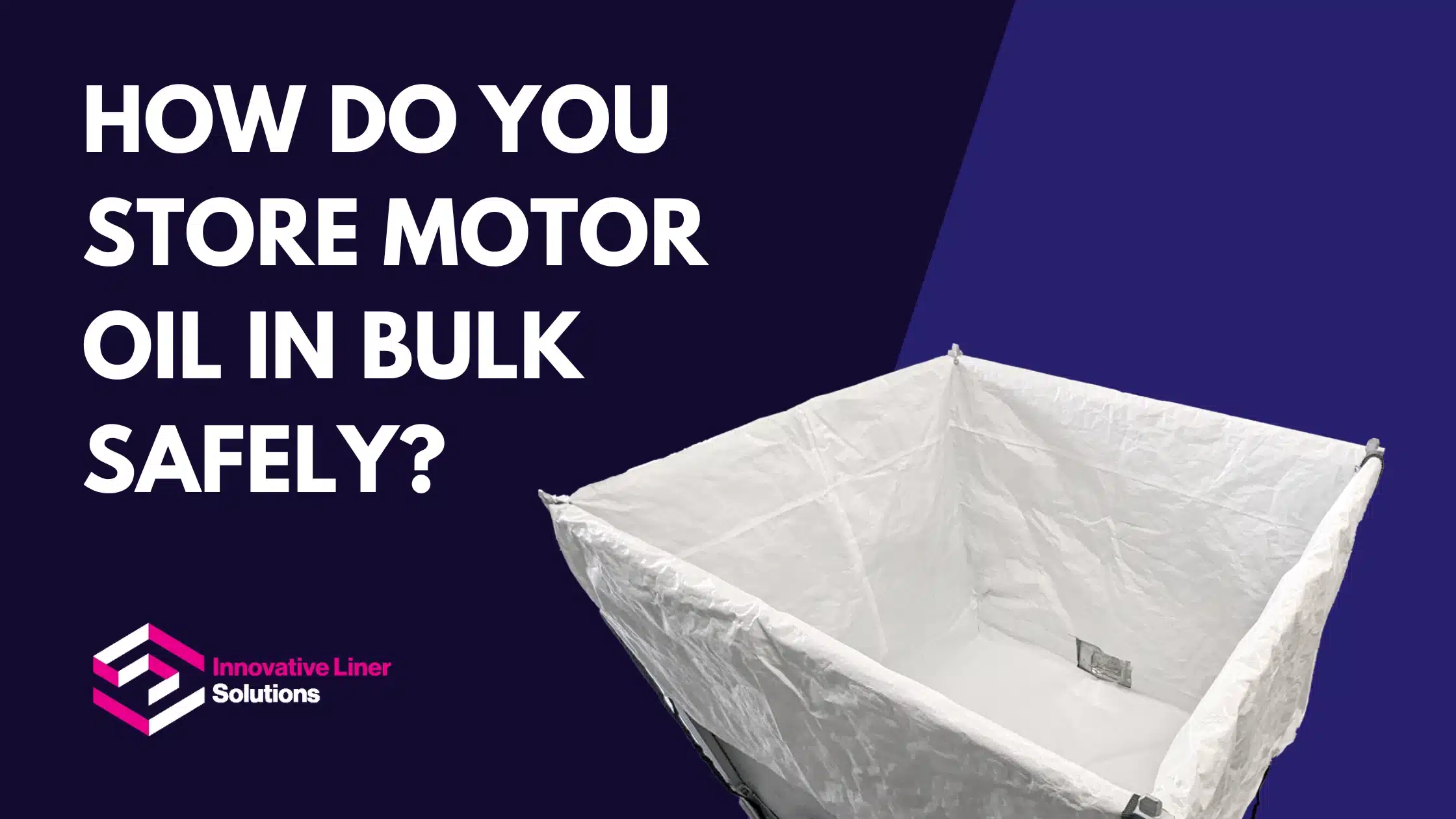

Storing motor oil in bulk is a common requirement for automotive manufacturers, distributors, service centers, and industrial facilities that handle high volumes of lubricants. While bulk storage improves efficiency and reduces packaging waste, it also introduces safety, environmental, and compliance considerations. Proper planning, container selection, and handling procedures are essential to protect workers, preserve product quality, and prevent costly spills or contamination.
This guide explains how to store motor oil in bulk safely, while also addressing best practices for managing other automotive fluids such as coolant, brake fluid, and hydraulic oils.
Understanding Bulk Motor Oil Storage Requirements
Motor oil is a petroleum-based product that can degrade or become contaminated if stored improperly. Bulk storage systems must be designed to maintain oil integrity while minimizing exposure to heat, moisture, dirt, and air. Choosing the right motor oil bulk storage containers is the foundation of a safe and efficient storage strategy.
Facilities that handle multiple fluids often rely on industrial fluid containers for automotive applications that are compatible with a range of lubricants and chemicals. These containers are engineered for durability, chemical resistance, and safe handling in warehouse and shop environments.
Choosing the Right Containers for Bulk Storage
Selecting appropriate bulk automotive fluid storage containers depends on volume, location, and how the oil will be dispensed. Common bulk storage options include:
- Intermediate bulk containers (IBCs) designed for liquid lubricants
- Steel or high-density polyethylene tanks
- Closed-system totes with pump or gravity-feed dispensing
Automotive lubricant storage containers should be clearly labeled, sealed, and compatible with motor oil to prevent chemical reactions or material breakdown. For operations managing multiple fluids, standardized automotive chemical storage containers help simplify training and reduce handling errors.
Facilities storing a range of fluids—such as antifreeze and coolant storage containers or brake fluid storage containers—should avoid mixing container types that could lead to cross-contamination. Using dedicated bulk liquid containers for automotive fluids ensures each product remains isolated and compliant with safety standards.
Best Practices for Safe Bulk Motor Oil Storage
Proper storage involves more than just choosing a container. Safe bulk storage relies on a combination of environmental controls, facility layout, and handling procedures.
First, store motor oil in a cool, dry, and well-ventilated area. Excessive heat can degrade oil additives, while moisture can introduce contamination. Indoor storage is typically recommended, especially for high-volume industrial fluid containers for automotive use.
Second, ensure containers are placed on stable, level surfaces and protected from impact. Secondary containment systems—such as spill pallets or berms—add an extra layer of protection in case of leaks or container failure.
Third, implement clear labeling and color-coding for all automotive fluid packaging containers. This is especially important in facilities that also store hydraulic fluid storage containers or antifreeze products, where fluid mix-ups could cause equipment damage or safety issues.
Handling, Dispensing, and Maintenance Considerations
Safe storage also depends on how motor oil is accessed and transferred. Closed dispensing systems reduce exposure to air and contaminants while improving workplace safety. Pumps, valves, and hoses should be rated for oil use and inspected regularly for wear.
Routine inspections of bulk automotive fluid storage containers are critical. Look for signs of leaks, corrosion, swelling, or compromised seals. Preventive maintenance helps extend container lifespan and reduces the risk of environmental incidents.
Employee training is another essential component. Workers should understand proper handling techniques, spill response procedures, and the importance of keeping containers sealed when not in use.
Storing Multiple Automotive Fluids Safely
Many facilities store more than just motor oil. Hydraulic fluid storage containers, brake fluid storage containers, and antifreeze and coolant storage containers each have unique compatibility and safety requirements. Storing these fluids in properly designated containers helps maintain product performance and prevents accidental mixing.
Using industrial liquid containers for automotive fluid packaging that are engineered for specific fluid types simplifies compliance and improves operational efficiency. Dedicated storage zones and clear signage further enhance safety when managing multiple bulk liquids.
Planning for Long-Term Storage and Compliance
For long-term storage, consider container materials that resist oxidation and UV exposure. Inventory rotation practices, such as first-in, first-out systems, help ensure older oil is used before newer stock.
Regulatory compliance is another key consideration. Local, state, and federal regulations may govern bulk oil storage, spill prevention, and environmental protection. Choosing compliant automotive chemical storage containers and maintaining proper documentation can help facilities meet regulatory requirements and avoid penalties.
Learn More About Bulk Storage Solutions
Selecting the right containers plays a major role in safe and efficient bulk motor oil storage. Businesses evaluating their options can explore Best Bulk Containers for Motor Oil and Lubricants to gain a clearer understanding of container designs, material compatibility, and capacity options that support long-term lubricant storage. Choosing the proper container helps reduce contamination risks while improving dispensing efficiency and overall workplace safety.
It’s also important to understand how Industrial Liquid Containers for Automotive Fluid Packaging support safe storage, transport, and handling across a wide range of automotive fluids. These containers are engineered to accommodate motor oil, hydraulic fluids, brake fluids, and coolants while meeting durability and compliance standards required in automotive and industrial environments.
Safe Bulk Motor Oil Storage Starts With the Right System
Storing motor oil in bulk safely requires thoughtful container selection, proper facility setup, and consistent handling practices. By using high-quality motor oil bulk storage containers, maintaining clean and controlled storage environments, and training staff effectively, businesses can reduce risk while improving efficiency.
Ready to improve your bulk liquid handling with IBC bulk containers and liners?
Call 815-963-9525 today to speak with Innovative Liner Solutions. Our team can help you choose the best IBC liners, bulk liners, and liquid tote liners for your operations.