
Transporting automotive fluids safely and efficiently is a critical requirement across manufacturing, distribution, fleet maintenance, and service operations. Motor oil, lubricants, coolant, antifreeze, brake fluid, and hydraulic fluids all present unique handling challenges due to their chemical properties, weight, and regulatory considerations. Without the right packaging system, transporting these fluids can lead to spills, contamination, inefficiencies, and increased costs.
Industrial fluid containers for automotive applications are designed to address these challenges by improving load stability, reducing handling time, protecting fluid integrity, and supporting compliance. When properly selected, these containers streamline logistics while minimizing risk throughout the supply chain.
This page explains what containers are used to transport automotive fluids, which container types offer the best performance, and how hazardous automotive liquids should be transported safely.
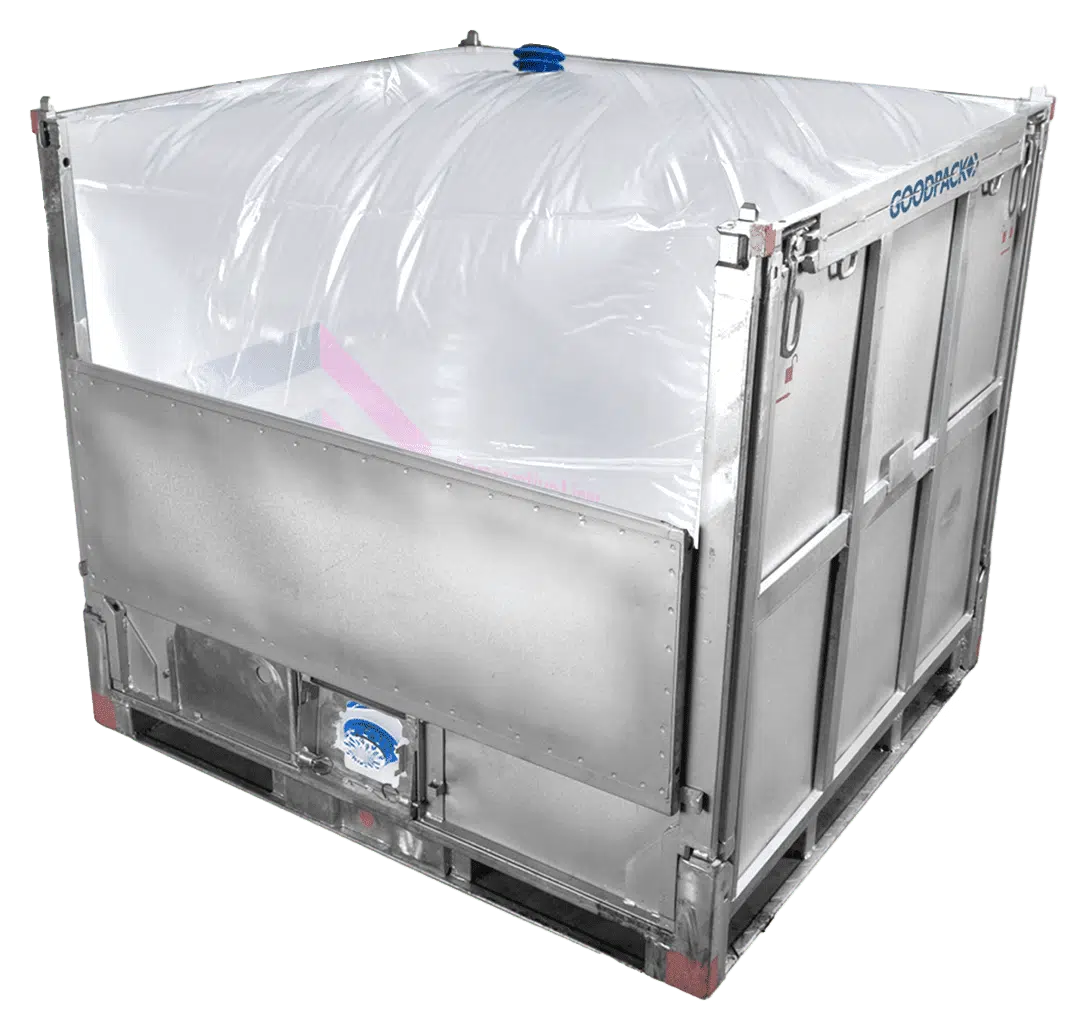
Why Transport Efficiency Matters in Automotive Fluid Logistics
Transport efficiency is not just about moving products from one location to another. For automotive fluids, it directly affects safety, operational costs, inventory reliability, and customer satisfaction. Leaks, delays, or damaged packaging can disrupt operations and create regulatory and environmental concerns.
Using industrial liquid containers for automotive fluid packaging helps organizations standardize transport methods, reduce handling complexity, and improve consistency across shipments. These benefits become increasingly important as volumes increase and supply chains grow more complex.
What Containers Are Used to Transport Automotive Fluids?
Transporting automotive fluids requires containers that can safely handle liquid weight, chemical properties, and the stresses of movement during shipping. Motor oil, lubricants, coolant, antifreeze, brake fluid, and hydraulic fluids each present unique transport challenges, making container selection a critical decision for safety, efficiency, and regulatory compliance. Industrial packaging systems are designed to address these challenges while supporting consistent logistics across automotive supply chains.

Bulk Industrial Containers for Automotive Fluids
The most commonly used systems for transporting automotive fluids are bulk liquid containers for automotive fluids. These containers allow large volumes of liquid to be moved in fewer shipments, reducing handling requirements and minimizing spill risk. Bulk containers are especially valuable for manufacturers, distributors, and fleet operations that manage high fluid volumes.
Bulk automotive fluid storage containers are often used interchangeably for storage and transport, allowing fluids to be filled, moved, and received without repackaging. This dual-purpose design improves efficiency and reduces opportunities for contamination.
Containers Designed for Specific Automotive Fluids
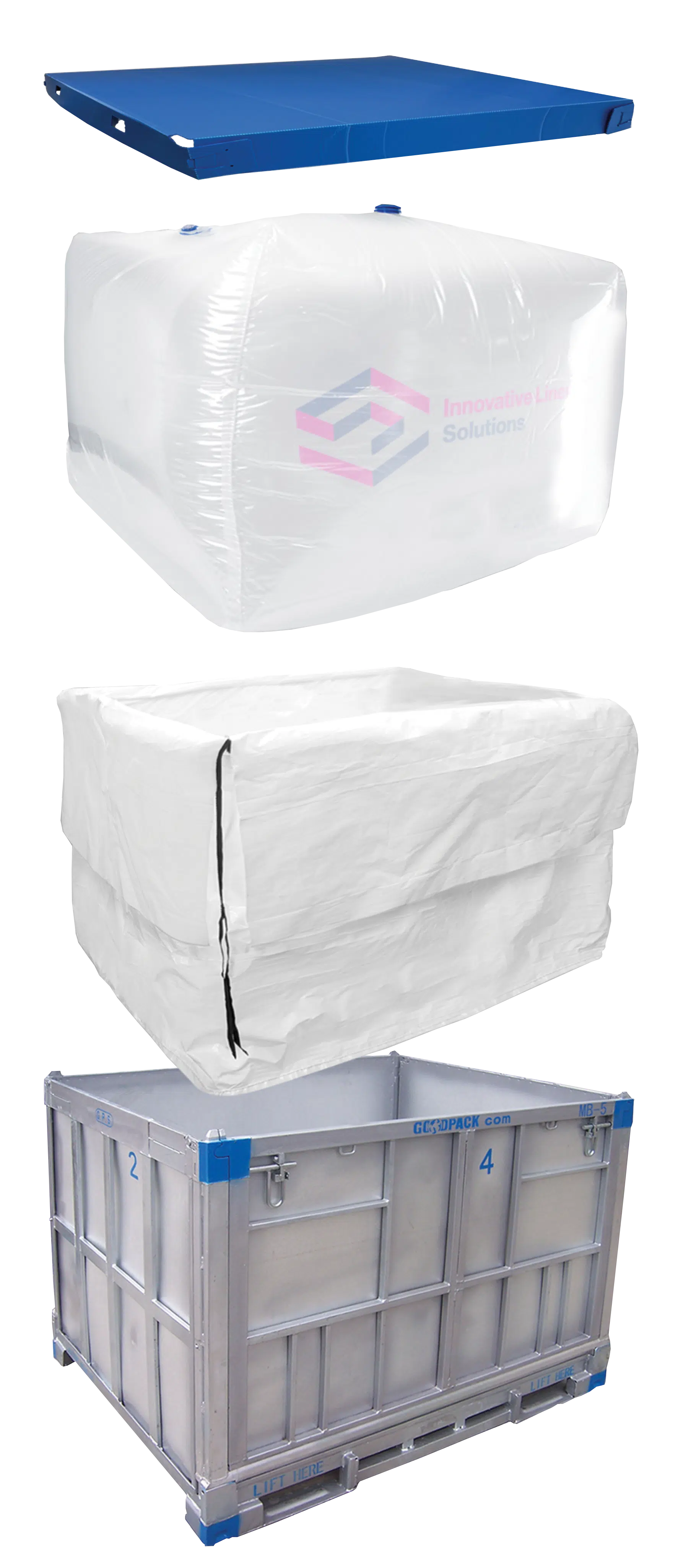
While bulk containers offer flexibility, different automotive fluids often require tailored handling considerations.
- Motor oil bulk storage containers are used to transport engine oils while protecting viscosity and additive performance.
- Automotive lubricant storage containers support a range of lubricant formulations, from gear oils to specialty industrial lubricants.
- Antifreeze and coolant storage containers help maintain proper chemical balance and prevent contamination during transit.
- Brake fluid storage containers minimize moisture exposure for this highly sensitive fluid.
- Hydraulic fluid storage containers ensure clean transport for fluids used in manufacturing and service equipment.
Using fluid-appropriate containers helps preserve product integrity and reduce risk during transport.
Industrial Container Design and Durability
Automotive fluid transport containers must be durable enough to withstand vibration, stacking, and repeated handling. Industrial fluid containers for automotive use are engineered for structural stability, allowing them to maintain integrity during long-distance and multi-stage transport.
Durable construction reduces the likelihood of leaks or container damage, which can lead to costly cleanup efforts and delivery delays. High-quality containers also support repeated reuse, improving long-term cost efficiency.
Chemical Compatibility and Safety
Chemical compatibility is a critical factor in container selection. Incompatible container materials can degrade or react with automotive fluids, compromising both the container and the product.
Automotive fluid packaging containers designed for chemical use help ensure fluids remain stable during transport. Compatibility also supports safer handling practices and reduces maintenance concerns associated with container wear.
Supporting Efficient Logistics and Handling
Transport efficiency improves when containers are easy to handle and integrate with standard logistics equipment. Industrial liquid containers for automotive fluid packaging are designed to work with forklifts, pallets, and transport vehicles, simplifying loading and unloading.
Standardized container sizes support consistent stacking and securing during transport, improving load stability and reducing transit time.
Reducing Spill and Contamination Risk
Spill prevention is a major priority in automotive fluid transport. Bulk container systems reduce spill risk by minimizing the number of transfers required between storage and transport.
Sealed automotive chemical storage containers further protect fluids from contamination and environmental exposure. This is especially important for sensitive fluids such as brake fluid and hydraulic fluids.
Supporting Regulatory and Safety Requirements
Transporting automotive fluids often involves compliance with safety and environmental regulations. Using appropriate containers simplifies compliance by providing reliable, approved packaging systems.
Clear labeling and standardized containers support inspection readiness and safe handling throughout the transport process.
A Reliable Foundation for Automotive Fluid Transport
The containers used to transport automotive fluids play a critical role in protecting product quality and ensuring efficient logistics. By selecting bulk liquid containers for automotive fluids and properly specified industrial fluid containers for automotive, businesses can reduce risk, improve efficiency, and support consistent delivery across supply chains.
When combined with disciplined handling practices, industrial container systems provide a dependable foundation for safe and efficient automotive fluid transport.
What Is the Best Container for Transporting Automotive Fluids?
Choosing the best container for transporting automotive fluids is essential for maintaining product integrity, improving logistics efficiency, and ensuring safe handling throughout the supply chain. Automotive fluids such as motor oil, lubricants, coolant, antifreeze, brake fluid, and hydraulic fluids each have unique properties that influence packaging requirements. The most effective container is one that balances durability, chemical compatibility, capacity, and ease of handling while reducing risk during transit.
Key Characteristics of an Effective Transport Container
The best containers for automotive fluid transport are designed to manage both the physical and chemical demands of bulk liquids. Industrial fluid containers for automotive applications are engineered to withstand the stresses of movement, including vibration, stacking pressure, and changes in temperature. Durable construction helps prevent leaks and container failure during transport. Containers that maintain structural integrity reduce the likelihood of spills, delivery delays, and cleanup costs. Reliability is especially important when fluids are transported over long distances or through multiple distribution points.
Chemical Compatibility and Fluid Protection
Automotive fluids must remain chemically stable during transport to perform correctly once delivered. Containers must be compatible with the specific fluid being transported to avoid chemical reactions or degradation.
Automotive fluid packaging containers designed for chemical use help ensure motor oil, lubricants, coolant, brake fluid, and hydraulic fluids remain uncontaminated during transit. Compatibility also supports longer container life and reduces maintenance concerns.
For sensitive products such as brake fluid, containers must also minimize exposure to moisture and air to preserve safety-critical performance.
Capacity and Efficiency Considerations
The best container for transporting automotive fluids often supports bulk volumes. Bulk liquid containers for automotive fluids allow organizations to move larger quantities in fewer shipments, improving efficiency and reducing transportation costs.
Bulk automotive fluid storage containers are commonly used for both storage and transport, allowing fluids to move seamlessly through the supply chain without repackaging. This dual-purpose approach reduces handling steps and contamination risk.
Handling and Logistics Compatibility
Efficient transport depends on how easily containers integrate with logistics systems. Containers designed for automotive fluids are typically compatible with forklifts, pallets, and transport vehicles, simplifying loading and unloading.
Industrial liquid containers for automotive fluid packaging feature standardized dimensions that support consistent stacking and securing during transit. This improves load stability and helps ensure safe delivery.
Versatility Across Automotive Fluid Types
While no single container fits every application, the best transport containers offer flexibility across multiple fluid types when properly managed.
For example:
- Motor oil bulk storage containers support high-volume oil transport while maintaining viscosity and additive performance.
- Automotive lubricant storage containers accommodate various lubricant formulations and viscosities.
- Antifreeze and coolant storage containers protect chemical balance during transport.
- Brake fluid storage containers reduce moisture exposure for safety-critical fluids.
- Hydraulic fluid storage containers support clean, stable transport for industrial applications.
Selecting containers based on fluid requirements ensures optimal performance and safety.
Safety and Risk Management
The safest transport containers minimize exposure, leaks, and handling errors. Automotive chemical storage containers are designed to provide secure containment and reduce the risk of spills during movement.
Using bulk containers also reduces the number of transfers between packages, lowering the chance of accidents and contamination.
Supporting Compliance and Operational Consistency
Transporting automotive fluids often involves safety and environmental regulations. Using standardized, reliable containers simplifies compliance by providing consistent packaging that meets transport requirements.
Clear labeling and container identification support safe handling and inspection readiness throughout the transport process.
A Practical Definition of the “Best” Container
The best container for transporting automotive fluids is one that aligns with the specific fluid type, transport distance, handling environment, and safety requirements. For most operations, this means using industrial fluid containers for automotive that support bulk transport, chemical compatibility, and efficient logistics.
When selected thoughtfully, these containers improve transport efficiency, reduce risk, and help ensure automotive fluids arrive in optimal condition.
How Industrial Fluid Containers Improve Transport Efficiency
Industrial container systems provide several advantages that directly improve transport efficiency for automotive fluids.
Reducing the Number of Shipments
Bulk containers allow larger volumes of fluid to be transported in fewer loads. This reduces transportation costs, fuel usage, and handling time while improving scheduling efficiency.
Fewer shipments also mean fewer opportunities for damage or loss during transit.
Improving Load Stability and Safety
Fluid movement during transport can create internal pressure and shifting loads. Industrial containers are designed to manage these forces, improving stability and reducing the risk of leaks.
Stable loads also improve safety for drivers, handlers, and facilities receiving shipments.
Simplifying Loading and Unloading
Standardized container dimensions and handling features make it easier to load and unload shipments efficiently. Industrial liquid containers for automotive fluid packaging support faster turnaround times at docks and service locations.
This efficiency helps reduce downtime and keeps operations moving smoothly.
What Is the Best Way to Transport Hazardous Automotive Liquids?
Some automotive fluids are classified as hazardous due to their chemical properties. Transporting these liquids safely requires careful planning, proper containers, and disciplined handling practices.
Selecting Approved Container Systems
Hazardous automotive liquids must be transported in containers designed for chemical use. Automotive chemical storage containers provide the containment and durability required to minimize risk during transport.
Proper container selection helps ensure compliance with safety standards and reduces the likelihood of incidents.
Preventing Leaks and Spills
Leak prevention is a top priority when transporting hazardous fluids. Industrial containers reduce risk by providing sealed systems that minimize exposure and stress points.
Using bulk liquid containers for automotive fluids also reduces the number of transfers required, further lowering spill risk.
Supporting Compliance and Documentation
Hazardous fluid transport often requires documentation and inspection readiness. Standardized automotive fluid packaging containers simplify compliance by providing consistent, reliable packaging that meets regulatory expectations.
Clear labeling and container identification further support safe handling throughout the transport process.
Supporting Long-Distance and Multi-Stage Transport
Automotive fluids often move across long distances or through multiple distribution points. Containers must perform reliably across changing environments and handling conditions.
Industrial fluid containers for automotive use are designed to maintain performance during extended transport, including exposure to temperature changes and repeated handling.
Reliable container performance supports consistent delivery schedules and reduces disruptions across the supply chain.
Integrating Storage and Transport Systems
One of the biggest advantages of industrial container systems is their ability to support both storage and transport using the same packaging solution. Fluids can be stored onsite and then transported without repackaging, reducing handling steps and contamination risk.
This integration improves efficiency and supports cleaner workflows across automotive operations.
For a broader overview of how container systems support automotive fluid logistics, visit Industrial Liquid Containers for Automotive Fluid Packaging to explore how bulk solutions improve storage, transport, and distribution efficiency.
Reducing Costs Through Efficient Transport Packaging
Efficient transport packaging contributes to cost savings across multiple areas:
- Reduced transportation and fuel costs
- Lower labor requirements for handling
- Reduced product loss from spills or damage
- Improved container lifespan
By investing in industrial liquid containers for automotive fluid packaging, organizations can achieve more predictable logistics costs and improved operational control.
Why Automotive Operations Rely on Innovative Liner Solutions
Innovative Liner Solutions works with automotive and industrial organizations to provide packaging systems that support safe, efficient fluid transport. By focusing on durable, compatible container solutions, the company helps businesses move automotive fluids with confidence.
From motor oil bulk storage containers to solutions for coolant, brake fluid, and hydraulic fluids, Innovative Liner Solutions supports transport efficiency across a wide range of automotive applications.
Choosing the right container system is essential for improving transport efficiency while maintaining safety and compliance. Whether you are transporting motor oil, lubricants, coolant, brake fluid, or hydraulic fluids, the right packaging makes a measurable difference.
To learn more about industrial fluid containers for automotive, bulk automotive fluid storage containers, and complete transport solutions, call 800-758-8079 or contact Innovative Liner Solutions through the website to speak with a knowledgeable specialist.
Get Expert Guidance on Automotive Fluid Transport Solutions
Optimize your liquid handling operations with our high-quality IBC liners, containers, valves, connectors, discharge tubes, and more. No matter your industry—food processing, chemicals, pharmaceuticals, or manufacturing—we have the solutions you need. Contact us today for pricing and expert guidance!
Call Our Team