Why Chemical Protection Starts With the Right Packaging
Chemical manufacturers, distributors, and industrial facilities rely heavily on packaging solutions that preserve product integrity, maintain safety, and support compliance throughout the storage and transport cycle. Industrial liquid containers are engineered to hold a wide range of chemicals, but the true level of protection often depends on the liner placed inside the container. IBC liners for chemicals create a controlled, sealed, and contaminant-free environment that ensures chemicals remain stable and secure from the moment they are filled until they are dispensed. These liners act as a protective barrier that prevents chemical-to-container interaction, protects against contamination, and enhances overall packaging performance.
This page explains how chemical-grade IBC liners safeguard chemicals during storage and transport, how they prevent contamination, whether they should be reused, and the best practices for transporting liquid chemicals safely. It also covers chemical compatibility, operational efficiency, and sustainability for bulk liquid containers for chemicals.
Understanding the Role of IBC Liners in Chemical Safety
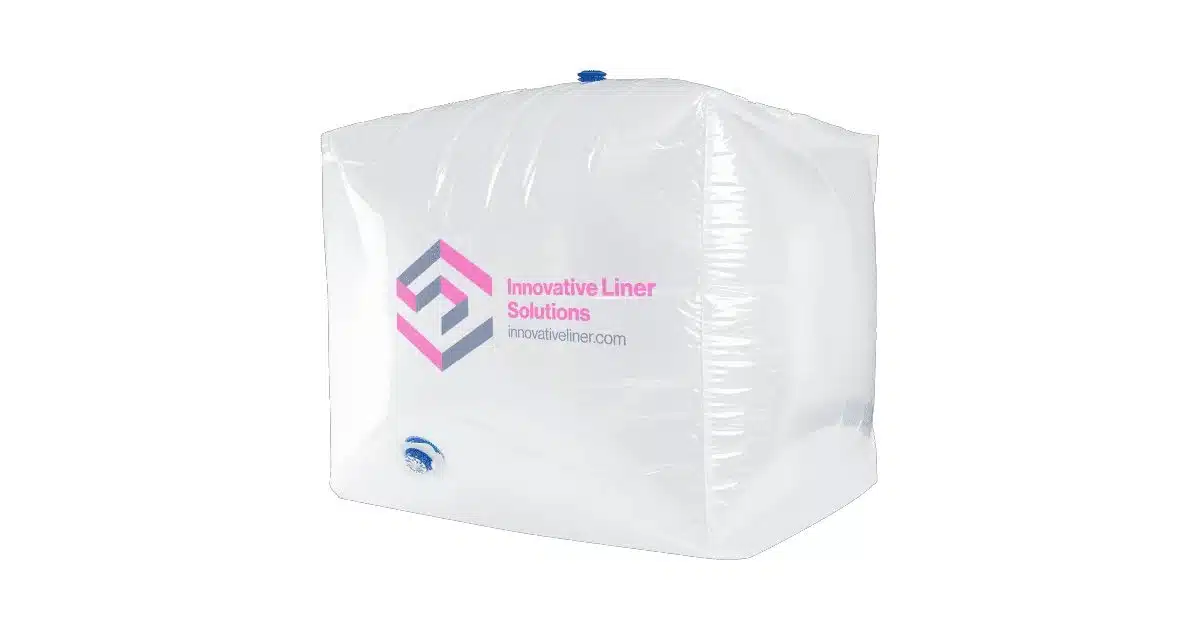
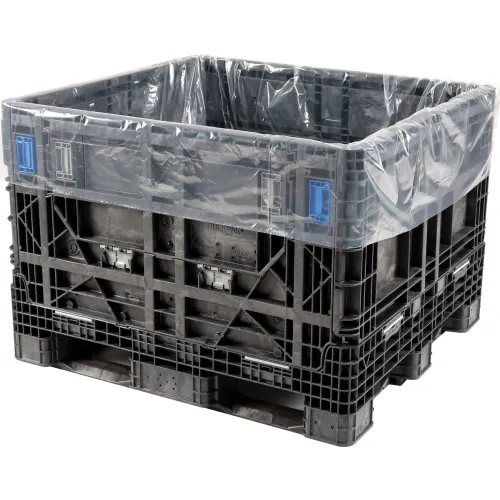
Intermediate Bulk Containers (IBCs) are widely used across the chemical industry due to their durability, efficiency, and versatility. IBC bulk containers chemicals combine a rigid structural design with the option to incorporate specialized liners tailored to the needs of specific liquids.
IBC liners for industrial liquids help protect chemicals by:
- Creating a sanitary, sealed barrier between the chemical and the container
- Preventing contamination from residue or environmental exposure
- Providing chemical resistance for reactive or aggressive liquids
- Reducing the need for cleaning and lowering the risk of cross-contamination
- Improving product stability and extending usable shelf life
By integrating chemical packaging IBC liners into their operations, facilities gain improved safety, consistency, and control throughout storage and transport cycles.
How Do IBC Liners Prevent Chemical Contamination?
The Importance of Contamination Prevention
Chemical contamination—even in small amounts—can compromise product quality, cause instability, or lead to chemical reactions that create hazards. Industrial liquid containers for chemicals packaging must provide a high level of cleanliness and purity to ensure safe handling. While the containers themselves offer structural protection, liners provide the sterile environment required to prevent contamination.
Creating a Clean Interior Surface
IBC liners for chemicals provide a single-use or limited-use barrier between the chemical and the container wall. This eliminates exposure to:
- Residue from previous batches
- Cleaning chemicals left behind after washing
- Microscopic abrasions that harbor contaminants
- Airborne particles or moisture during filling
- Reactions between chemicals and container surfaces
Because chemical-grade IBC liners are manufactured in controlled environments, they offer a level of cleanliness that traditional container washing cannot always guarantee.
Reducing Exposure to Air and Moisture
Many chemicals degrade when exposed to oxygen or humidity. This exposure can alter composition, reduce performance, or make products unsafe.
Liners help reduce exposure by:
- Minimizing oxygen transfer
- Preventing moisture absorption
- Providing vapor barrier protection for sensitive chemicals
This makes them ideal for materials requiring precise purity standards, such as solvents, resins, concentrated treatments, and pharmaceutical intermediates.
Preventing Cross-Contamination
In facilities that handle multiple chemicals, cross-contamination poses serious risks. Without liners, even thorough washing may not remove all traces of the prior chemical.
Chemical-grade IBC liners remove this risk by providing a fresh, uncontaminated surface every time.
Can IBC Liners Be Reused For Different Chemicals?
The Short Answer: Generally, No
While industrial liquid containers are often designed for long-term reuse, liners typically are not. In most applications, especially when dealing with high-purity or hazardous chemicals, reuse can increase contamination risk and compromise product safety.
The Longer Answer
Risks of Reusing Liners
Reusing liners for different chemicals can result in:
- Residue from the original chemical remaining in the liner
- Material degradation after first use
- Permeation of absorbed chemicals into new batches
- Chemical reactions between incompatible materials
- Loss of film integrity that leads to leaks or ruptures
Given these risks, most industries use IBC liners for chemicals as single-use solutions—especially when dealing with regulated or sensitive materials.
When Limited Reuse Might Be Considered
If the same chemical is being stored repeatedly and the liner remains undamaged, some facilities may consider limited reuse. However, this should only occur if:
- The liner shows no wear or deformation
- The chemical is not reactive or purity-sensitive
- Regulatory guidelines allow reuse
- Thorough inspection confirms liner integrity
Even then, it is typically safer and more cost-effective to use a fresh liner for each batch.
How Liners Support Long-Term Container Reuse
Although liners themselves are often single-use, they extend the life of IBC containers by preventing corrosion, residue buildup, and chemical-to-container reactions. This makes liners a highly efficient and sustainable part of chemical packaging liquid containers.
What Are The Best Practices For Transporting Liquid Chemicals?
Use High-Quality Industrial Liquid Containers
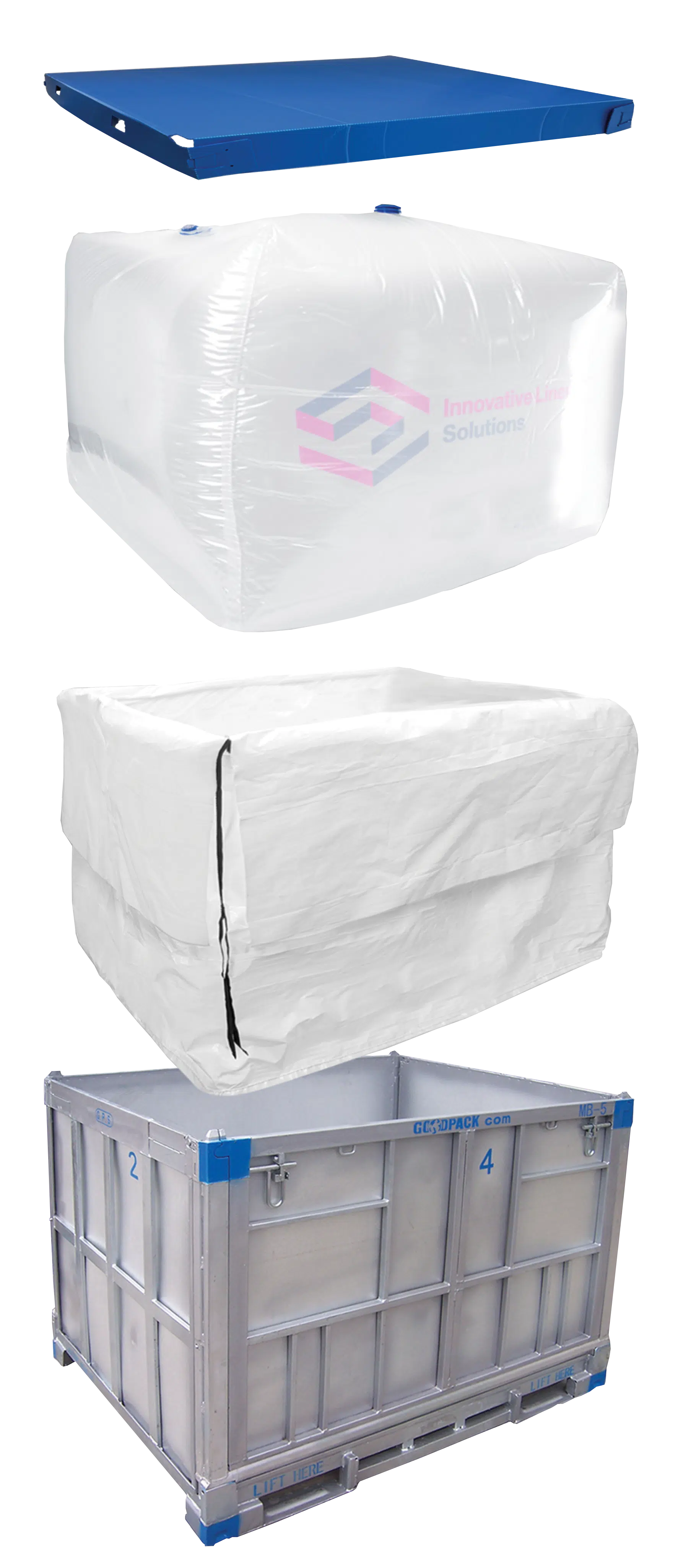
Transporting liquid chemicals requires packaging that withstands physical stress, environmental exposure, and potential hazards during transit. IBC containers for chemical transport meet these demands due to their:
- Durable polyethylene structure
- Reinforced steel cages
- Stable footprint for stacking and loading
- Compatibility with specialized liners
Combining IBCs with chemical-grade liners ensures both structural and chemical safety.
Ensure Proper Chemical Compatibility
Before transport, confirm that the chemical being shipped is compatible with:
- The container material
- The liner film
- Any fittings or valves in the packaging system
Compatibility helps prevent reactions, permeation, and degradation. The resource below expands on compatibility and selection: Your Complete Guide To Chemical-Grade IBC Liners & Containers
Follow Safe Filling Procedures
Best practices for filling include:
- Inspecting containers and liners for damage
- Ensuring liners are installed correctly
- Avoiding overfilling to allow for thermal expansion
- Keeping chemicals sealed immediately after filling
Proper practices reduce contamination and prevent leaks.
Monitor Environmental Conditions
Many chemicals are sensitive to temperature, humidity, or UV exposure. During storage or transport:
- Keep IBCs away from excessive heat
- Protect from direct sunlight when possible
- Avoid freezing temperatures for sensitive liquids
Environmental control maintains chemical stability.
Secure Containers Properly During Transport
To prevent spills and accidents:
- Tie down IBCs using appropriate restraints
- Place containers on level surfaces
- Avoid stacking beyond container limits
- Ensure valves and caps are fully closed
Proper securing minimizes movement and reduces spill risks.
Label Containers According to Regulations
Chemical packaging liquid containers used for transport must include:
- Proper hazard labeling
- Identification of contents
- Emergency response information
Correct labeling improves safety across the supply chain.
Additional Benefits of Using IBC Liners for Storage and Transport
Reduced Product Waste
Lower Cleaning Costs
Improved Sustainability
Enhanced Worker Safety
When To Choose Chemical-Grade Liners
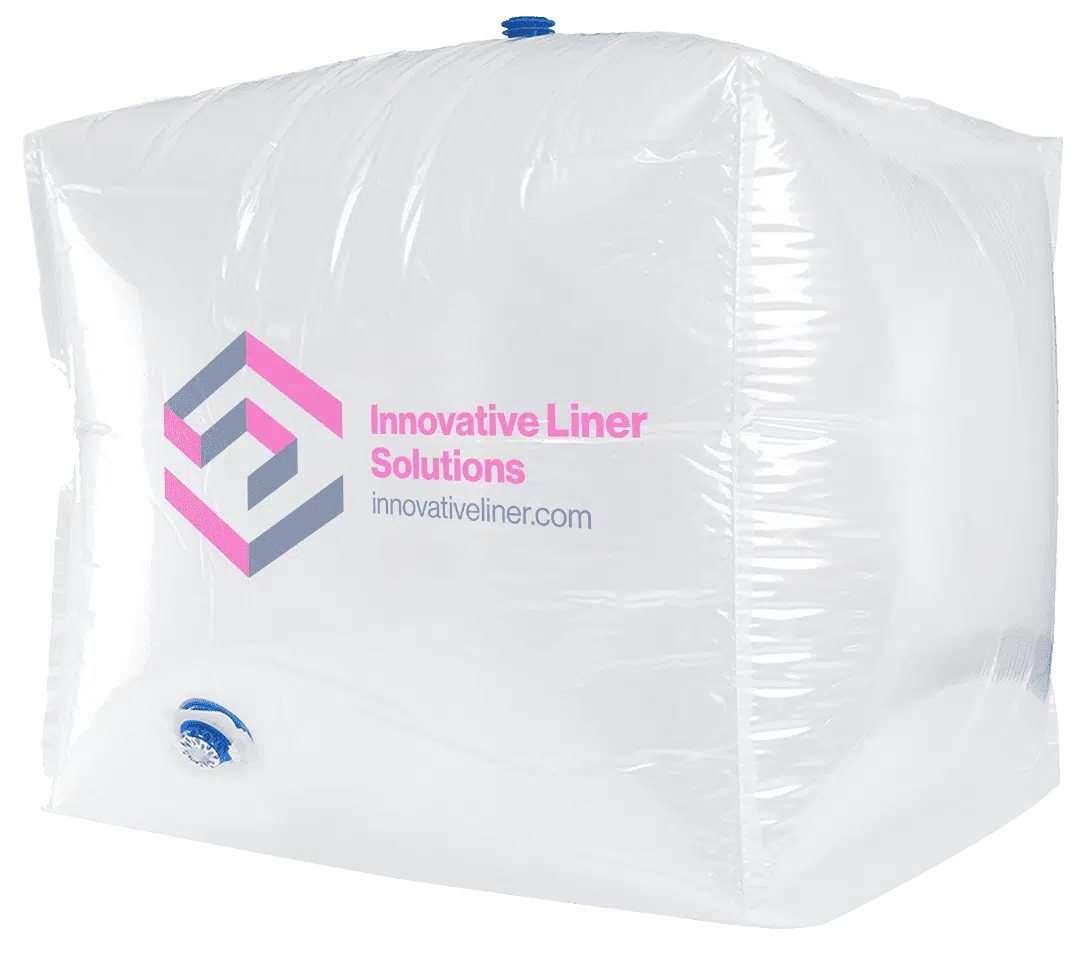
Chemical-grade IBC liners are best suited for operations requiring:
- High purity and contamination control
- Storage or transport of reactive chemicals
- Protection from moisture or oxygen exposure
- Efficient container turnaround with minimal cleaning
- Long-term container preservation
- Safe and stable chemical transport
For many applications, liners are not optional—they are essential.
Trust Innovative Liner Solutions for Chemical Storage and Transport Safety
Innovative Liner Solutions supplies high-performance chemical packaging IBC liners engineered to protect industrial liquids at every stage of use. Whether you need contamination prevention, improved safety, or more efficient operations, liners can help transform your chemical storage and transport processes.
For help selecting the right liner for your application or requesting a quote, call 800-758-8079 or contact Innovative Liner Solutions through the website to speak with a knowledgeable specialist.
Get Expert Guidance On Chemical-Grade IBC Liners & Containers
Optimize your liquid handling operations with our high-quality IBC liners, containers, valves, connectors, discharge tubes, and more. No matter your industry—food processing, chemicals, pharmaceuticals, or manufacturing—we have the solutions you need. Contact us today for pricing and expert guidance!
Call Our Team