

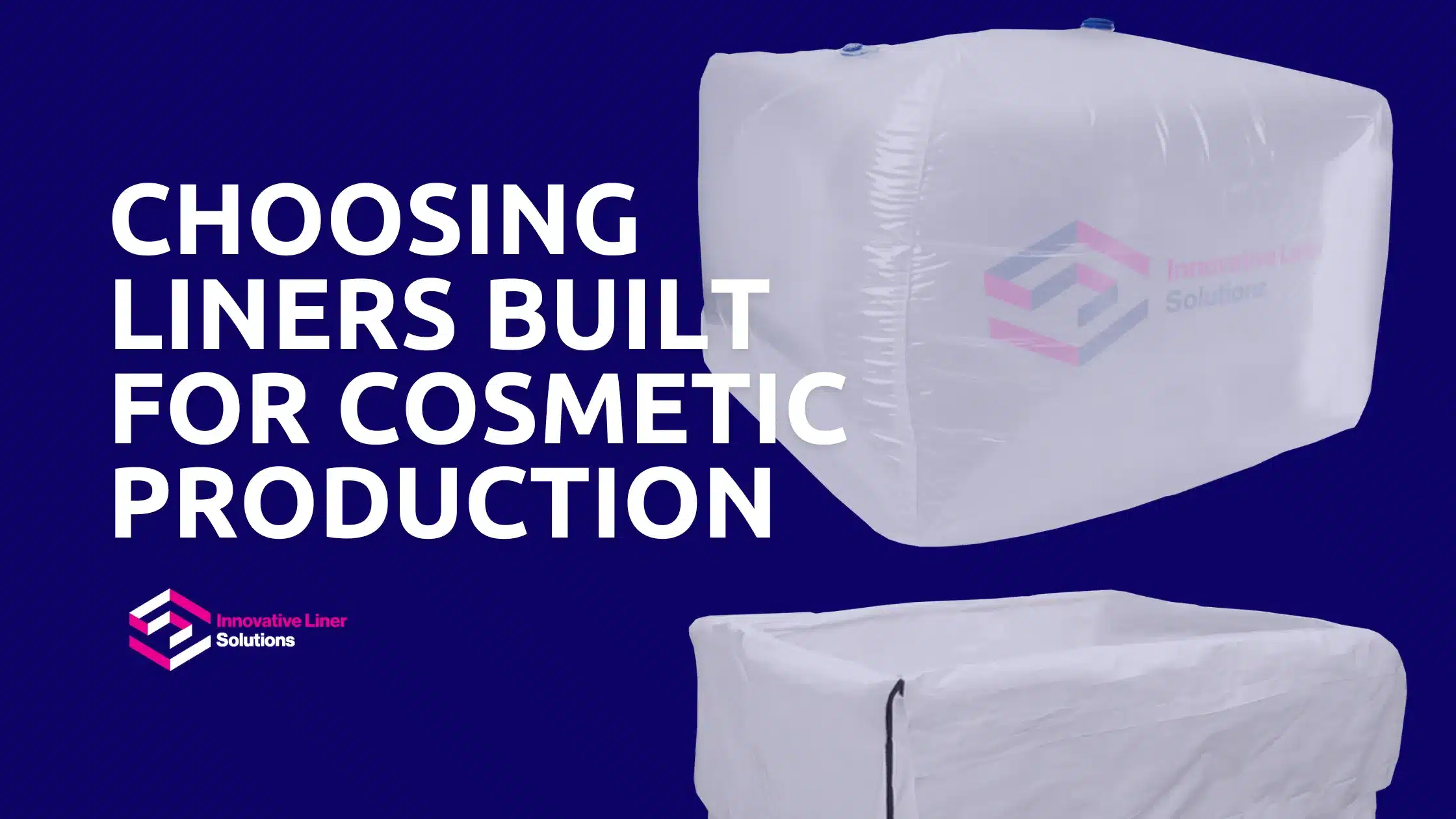

How Do You Choose Liners For Bulk Cosmetic Liquids?
Selecting the right liners for bulk cosmetic liquids is a critical decision in large-scale cosmetic manufacturing. From shampoos and conditioners to creams, lotions, and serums, bulk formulations require reliable containment systems that protect product integrity while supporting efficient transfer and packaging operations. Choosing the correct liner system involves evaluating formulation characteristics, container compatibility, discharge requirements, and long-term operational goals.
Cosmetic production environments rely heavily on Industrial Liquid Containers for Cosmetic Packaging to store and move large volumes of product. However, the outer container alone is not enough. The internal liner plays a vital role in protecting formulations from contamination, air exposure, and product loss during filling, storage, and discharge.
Understanding how to choose bulk liquid liners for cosmetics begins with understanding your product.
Start With Formulation Characteristics
The first factor to evaluate when selecting liners for cosmetic liquid containers is viscosity. Cosmetic formulations range from low-viscosity liquids like toners and cleansers to thick emulsions such as conditioners, creams, and specialty treatments.
Liners for liquid cosmetic products must allow smooth, uninterrupted flow during pumping. These liners typically emphasize flexibility, consistent internal collapse, and leak resistance under dynamic pressure.
On the other hand, bulk liquid liners for creams and lotions must withstand greater resistance during discharge. Thicker formulations place more stress on seams and film materials, requiring reinforced construction and durable film selection. Manufacturers producing both liquid and thick formulations often require adaptable liner systems that can support a range of viscosities.
If your facility handles thicker emulsions, it’s important to review liner specifications carefully. Our resource on Bulk Liquid Liners For Cosmetic Creams And Lotions provides additional insight into performance considerations for high-viscosity formulations.
Evaluate Material Compatibility
Cosmetic products often contain oils, alcohols, fragrances, botanical extracts, surfactants, preservatives, and active ingredients. These components can interact differently with containment materials. Cosmetic packaging liners must be constructed from films that resist chemical interaction and maintain structural integrity over time.
High-quality cosmetic bulk packaging liners are designed to prevent absorption, degradation, or film breakdown that could compromise product stability. Proper material selection helps preserve fragrance profiles, color consistency, and formulation performance throughout storage and transfer.
Leak-resistant cosmetic packaging liners are especially important when dealing with alcohol-based or volatile formulations. Reinforced seams and multi-layer film structures help prevent stretching or separation during filling and discharge.
Confirm Compatibility With Container Systems
Bulk cosmetic operations frequently use intermediate bulk containers (IBCs), totes, drums, or tanks. Liners for bulk cosmetic liquids must match the geometry and structural design of these containers to prevent shifting, stress points, or uneven collapse.
Flexible liners for cosmetic products are engineered to conform precisely to container interiors. A properly fitted liner expands during filling and collapses inward during discharge. This controlled collapse helps guide product toward the outlet, improving yield and reducing residual waste.
When selecting liners, consider the size and shape of your Industrial Liquid Containers for Cosmetic Packaging. The integration between liner and container is essential for consistent performance. To better understand this integration, visit our page on Industrial Liquid Containers And Liners For Cosmetic Packaging.
Consider Discharge And Pumping Requirements
Automated filling systems require stable and predictable product flow. Liners for shampoo and conditioner packaging, for example, must maintain steady internal pressure to support high-speed filling lines.
For liquid products, liners should allow smooth discharge without trapping air pockets. For thicker products, bulk liquid liners for cosmetics must withstand higher pump pressure while maintaining seam integrity.
The best liner systems collapse evenly as product is removed. This controlled collapse reduces headspace, limits oxygen exposure, and supports consistent discharge rates. Proper discharge fittings and reinforced bottom seams are also important when managing thicker formulations.
Prioritize Leak Resistance And Safety
Bulk cosmetic manufacturing involves moving and stacking containers during production and storage. Pressure fluctuations can occur during filling, transport, or discharge. Leak-resistant cosmetic packaging liners provide an added layer of containment inside the rigid outer container.
This dual-containment approach reduces the risk of spills, protects valuable formulations, and supports safer working environments. Even minor leaks can result in cleanup delays and product waste, so selecting liner systems with reinforced seams and durable films is essential.
Evaluate Operational Efficiency
Beyond formulation protection, liners for cosmetic liquid containers provide measurable operational benefits. Traditional rigid containers often require cleaning and sanitation between batches. Cosmetic packaging liners simplify this process by allowing operators to remove and replace liners instead of washing entire containers.
This reduces labor costs, water usage, and downtime between production runs. Facilities producing multiple SKUs, fragrance variations, or product types benefit significantly from faster changeovers.
Additionally, cosmetic bulk packaging liners improve product recovery. As the liner collapses inward during discharge, less material remains adhered to container walls. Improved yield can translate into significant cost savings over time, particularly in high-volume production environments.
Plan For Scalability
As cosmetic brands expand, production volume increases. The liner systems selected today should be capable of scaling alongside future growth. Standardized bulk liquid liners for cosmetics allow manufacturers to increase container size or throughput without redesigning containment systems.
Flexible liners for cosmetic products offer adaptable solutions that support evolving production demands. Whether manufacturing shampoos, conditioners, creams, or hybrid formulations, scalable liner platforms provide long-term operational flexibility.
Conclusion
Choosing liners for bulk cosmetic liquids requires careful evaluation of formulation viscosity, material compatibility, container integration, discharge requirements, and operational efficiency. From bulk liquid liners for creams and lotions to liners for shampoo and conditioner packaging, the right liner system protects product integrity while supporting streamlined production workflows.
By integrating high-performance cosmetic packaging liners within Industrial Liquid Containers for Cosmetic Packaging, manufacturers can strengthen containment reliability, reduce waste, and improve scalability.
Ready To Improve Your Bulk Cosmetic Liquid Handling?
Call 815-963-9525 today to speak with Innovative Liner Solutions. Our team can help you select the right bulk liquid liners for cosmetics, flexible liners for cosmetic products, and leak-resistant cosmetic packaging liners designed to support your production goals.