


Automotive facilities handle a wide variety of fluids every day, from engine oils and lubricants to coolants, additives, and industrial chemicals. Safe storage and transportation of these products are critical for maintaining product quality, improving workplace efficiency, and reducing contamination risks throughout the supply chain. That is why many manufacturers, distributors, and automotive service providers rely on high-quality IBC liners for bulk liquid handling.
Modern IBC liners provide a flexible and efficient solution for storing and transporting automotive fluids in intermediate bulk containers. These liner systems help create a protective barrier between the liquid product and the outer container, helping businesses improve cleanliness, simplify dispensing, and reduce maintenance requirements.
Companies researching IBC Liners for Automotive Fluid Storage & Packaging often discover how advanced liner systems improve bulk fluid storage while supporting safer and more efficient transportation procedures.
Why Automotive Businesses Use IBC Liners
Automotive operations frequently manage large quantities of liquid products that require dependable containment and contamination protection. Traditional storage systems may create challenges related to residue buildup, container cleaning, and cross-contamination between fluid types.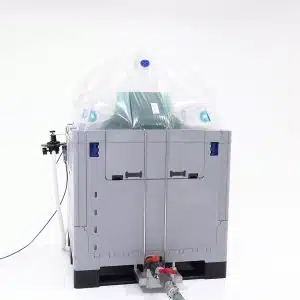
Flexible IBC liners help solve many of these issues by creating a sealed interior storage environment that supports cleaner handling procedures. Businesses often choose industrial IBC liners because they help:
- Improve product protection
- Reduce contamination exposure
- Simplify container maintenance
- Improve dispensing efficiency
- Reduce product waste
- Support safer transportation
- Improve storage flexibility
Modern bulk liquid packaging liners are widely used throughout automotive, industrial, chemical, and manufacturing industries because they support more efficient fluid handling operations.
Motor Oils And Synthetic Engine Oils
One of the most common fluids stored in IBC liners for automotive fluids is motor oil. Conventional engine oils, synthetic oils, and blended lubricants are frequently transported and stored in bulk quantities for automotive repair facilities, manufacturing operations, and distribution centers.
Industrial IBC liners help protect motor oils from contamination during transportation and storage while improving dispensing efficiency. Flexible IBC liners also help reduce residue buildup inside reusable containers, simplifying cleanup and maintenance procedures between shipments.
Businesses handling motor oils often use IBC tote liners for liquids because they help improve operational efficiency while supporting cleaner storage conditions.
Transmission Fluids
Automatic and manual transmission fluids are another major category commonly stored in chemical resistant IBC liners. These fluids contain specialized additives designed to support lubrication, cooling, and transmission performance.
Because transmission fluids can be sensitive to contamination, many automotive businesses rely on durable IBC liners for automotive fluids to help preserve product integrity throughout transportation and storage.
Flexible liner systems can also improve dispensing operations by allowing more complete product evacuation during transfers and use.
Coolants And Antifreeze
Coolants and antifreeze products are widely used in passenger vehicles, heavy-duty trucks, industrial equipment, and manufacturing systems. These liquids are often transported in bulk quantities using industrial IBC liners designed for liquid handling applications.
Many coolant formulas contain additives and specialty compounds that require dependable packaging compatibility. As a result, businesses frequently choose IBC liners for chemicals that are engineered to withstand exposure to industrial fluid formulations.
Benefits of using bulk liquid packaging liners for coolant storage include:
- Improved contamination protection
- Cleaner handling procedures
- Easier transportation
- Reduced residue buildup
- Simplified container maintenance
These advantages help automotive operations improve efficiency while protecting sensitive fluid products.
Brake Fluids
Brake fluids require careful handling because even minor contamination can affect hydraulic system performance. Exposure to moisture or debris may compromise fluid quality and reduce braking efficiency.
Chemical resistant IBC liners help create a sealed storage environment that supports cleaner handling and transportation procedures for brake fluid products. Many facilities use flexible IBC liners because they improve contamination control while simplifying dispensing operations.
Reliable IBC tote liners for liquids help businesses maintain safer storage conditions for sensitive automotive fluids.
Hydraulic Fluids
Hydraulic oils are commonly used in automotive repair facilities, manufacturing plants, and industrial machinery operations. These fluids power lifts, presses, steering systems, and other hydraulic equipment used throughout automotive environments.
Industrial IBC liners are frequently used for hydraulic fluid storage because they help:
- Improve dispensing efficiency
- Reduce product waste
- Simplify fluid transfers
- Improve contamination prevention
- Support cleaner storage conditions
Flexible liner systems can also help businesses maximize usable product recovery during dispensing.
Automotive Lubricants And Industrial Oils
Many automotive facilities also store lubricants and specialty oils inside flexible IBC liners. Products such as gear oils, compressor lubricants, synthetic blends, and industrial machine oils are commonly transported and stored using bulk liquid packaging liners.
Because these products are often distributed in large quantities, automotive businesses appreciate the operational efficiency provided by industrial IBC liners and IBC tote liners for liquids.
High-quality liner systems help reduce maintenance requirements while supporting cleaner transportation and storage procedures.
Fuel Additives And Specialty Chemicals
Fuel additives, cleaning compounds, degreasers, and specialty automotive chemicals are another category commonly stored using IBC liners for chemicals. Many of these products contain aggressive chemical compounds that require durable packaging materials designed for long-term compatibility.
Chemical resistant IBC liners help businesses safely manage products such as:
- Fuel stabilizers
- Injector cleaners
- Solvents
- Degreasers
- Cleaning compounds
- Specialty additives
These liner systems support safer handling while reducing contamination and leak risks during transportation and storage.
Windshield Washer Fluids And Cleaning Products
Windshield washer fluids and automotive cleaning products are also commonly stored in industrial IBC liners. These liquids are often transported in bulk quantities for dealerships, service centers, fleet maintenance operations, and automotive suppliers.
Flexible IBC liners help simplify fluid dispensing while supporting cleaner container handling throughout the transportation process.
The Difference Between Automotive And Food Grade IBC Liners
While automotive applications require industrial-grade liner systems, other industries use specialized liner materials for consumable products. For example, food grade IBC liners and beverage IBC liners are designed specifically for sanitary food and beverage applications.
Food grade IBC liners are commonly used for:
- Beverage concentrates
- Syrups
- Dairy ingredients
- Cooking oils
- Liquid sweeteners
Beverage IBC liners help maintain product freshness and sanitary conditions during liquid food transportation. Businesses handling multiple product categories often use customized liner systems for each application to ensure proper compatibility and safety standards.
Companies researching IBC Liners for Food, Beverage, Automotive & Chemical Packaging often discover how versatile modern liner systems can be across many industries.
Why Flexible IBC Liners Continue To Grow In Popularity
Flexible IBC liners continue to become more popular because they support cleaner and more efficient bulk liquid handling operations. Automotive businesses value these systems because they help improve storage efficiency while reducing cleanup and contamination concerns.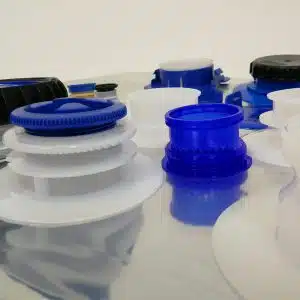
Benefits of flexible IBC liners include:
- Better product recovery
- Improved dispensing efficiency
- Reduced contamination risks
- Simplified maintenance
- Faster container turnaround
- Cleaner fluid handling procedures
These advantages make IBC liners for automotive fluids a practical solution for automotive manufacturers, distributors, and industrial operations handling large volumes of liquid products.
Final Thoughts On Automotive Fluid Storage With IBC Liners
Modern IBC liners provide an efficient and dependable solution for storing and transporting many automotive fluids, including motor oils, lubricants, coolants, brake fluids, hydraulic oils, and specialty chemical additives. By helping reduce contamination risks while improving dispensing and transportation efficiency, industrial IBC liners support safer and cleaner automotive fluid handling operations.
Whether your business handles lubricants, automotive chemicals, or industrial oils, high-quality bulk liquid packaging liners can help improve operational performance while protecting product integrity throughout storage and transportation.
To learn more about IBC liners for automotive fluids, chemical resistant IBC liners, industrial IBC liners, and flexible IBC liners, call 800-758-8079 or send a message through the website today.