
Businesses that store and transport liquids in bulk require packaging systems that prioritize safety, efficiency, cleanliness, and product protection. Across industries such as food processing, beverage manufacturing, automotive production, and chemical handling, choosing the right liner solution can make a major difference in operational performance and product integrity.
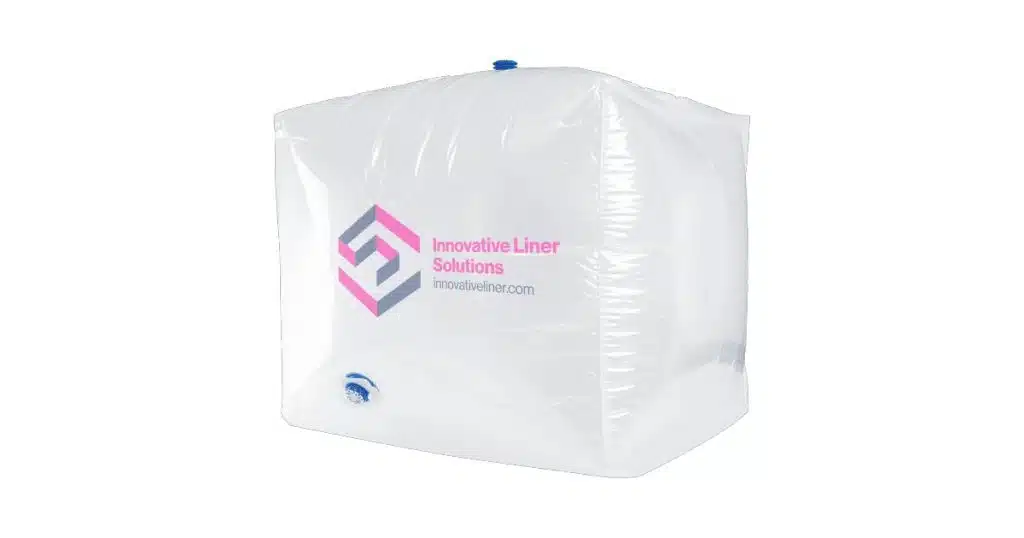
Innovative Liner Solutions provides high-quality IBC liners designed to support a wide range of liquid storage and transportation needs. Whether your operation requires sanitary solutions for food-grade products, durable containment for automotive fluids, or dependable protection for industrial chemicals, flexible liner systems help improve efficiency while reducing contamination risks and cleanup time.
Modern bulk liquid packaging liners are engineered to simplify filling, dispensing, transportation, and storage while helping companies maintain compliance with industry standards. By using advanced materials and durable construction, today’s liner systems provide reliable performance for demanding applications across multiple industries.
Why Businesses Use IBC Liners
Intermediate Bulk Containers (IBCs) are widely used for transporting and storing liquids because they provide a cost-effective and space-efficient solution. However, using reusable totes without liners can increase the risk of contamination, increase cleaning requirements, and reduce operational efficiency.
That’s why many companies rely on IBC tote liners for liquids to create a protective barrier between the product and the container itself.
Benefits of using flexible IBC liners include:
- Reduced contamination risks
- Faster product changeovers
- Easier cleaning and maintenance
- Improved product purity
- Lower operational costs
- Enhanced storage efficiency
- Safer liquid handling
These advantages make liner systems valuable for industries handling sensitive, hazardous, or high-volume liquids.
Industries That Commonly Use IBC Liners
Modern industrial IBC liners are used across a wide range of industries, including:
- Food manufacturing
- Beverage processing
- Automotive production
- Chemical manufacturing
- Agriculture
- Pharmaceutical processing
- Cosmetic production
- Industrial cleaning solutions
Each industry has unique storage and transportation requirements, making it important to select liners designed for specific applications.
IBC Liners for Food & Beverage Storage, Safety & Packaging
Food and beverage manufacturers depend on reliable storage and transportation systems to protect product quality, maintain sanitation standards, and improve operational efficiency. Whether handling liquid ingredients, finished beverages, edible oils, syrups, dairy products, or food-grade additives, companies need packaging solutions that help preserve freshness while reducing contamination risks throughout the supply chain.
That is why many businesses rely on high-quality IBC liners for food and beverage applications. Designed to create a secure barrier between liquid products and the container itself, these liner systems help support sanitary handling, efficient transportation, and safer storage practices across a wide range of industries.
Modern food grade IBC liners are engineered specifically for applications where cleanliness, compliance, and product integrity are critical. By helping reduce residue buildup and simplifying container management, these liners play an important role in food and beverage production environments.
Why Food And Beverage Companies Use IBC Liners
Intermediate Bulk Containers, commonly referred to as IBC totes, are widely used for storing and transporting bulk liquids because they are durable, space-efficient, and cost-effective. However, reusable containers alone may not provide the level of cleanliness required for sensitive food and beverage products.
Without proper liner protection, reusable totes can increase the risk of:
- Cross-contamination
- Product residue buildup
- Flavor transfer between batches
- Costly cleaning procedures
- Product spoilage
- Regulatory compliance concerns
Using specialized IBC tote liners for liquids helps minimize these risks while improving operational efficiency.
Liners create a protective inner barrier that separates the product from the reusable tote itself. This added protection helps preserve product purity and supports safer handling procedures throughout storage and transportation.
Supporting Food Safety Standards
Food safety is one of the most important priorities in the food and beverage industry. Manufacturers must maintain strict sanitation standards to help ensure products remain safe for consumers from production through delivery.
High-quality food grade IBC liners help support these efforts by providing cleaner storage and transport solutions for liquid products.
These liners are commonly used for:
- Liquid sweeteners
- Cooking oils
- Sauces and condiments
- Dairy ingredients
- Juice concentrates
- Liquid flavorings
- Beverage syrups
- Wine and brewing products
- Food additives and ingredients
Because food-grade applications often require strict compliance standards, using properly manufactured liner systems helps companies maintain cleaner handling environments while reducing contamination risks.
Reducing Cross-Contamination Risks
One of the biggest concerns in food and beverage production is cross-contamination between products. Even trace amounts of residue left behind from previous batches can affect product quality, flavor consistency, or consumer safety.
Reusable totes without liners may require extensive cleaning between uses, which increases labor costs and downtime. Incomplete cleaning can also create contamination risks.
Using flexible IBC liners helps reduce direct contact between the product and the tote, making it easier to maintain cleaner storage conditions while supporting product separation between batches.
This is especially important for facilities that handle multiple products within the same production environment.
Improving Product Freshness And Quality
Food and beverage products often require controlled handling conditions to maintain freshness, flavor, consistency, and shelf life. Exposure to contaminants, air, or residue can negatively affect product quality during storage or transportation.
Durable bulk liquid packaging liners help support product protection by creating a sealed environment that minimizes outside exposure and preserves product integrity.
For beverage manufacturers, maintaining consistency is particularly important. High-quality beverage IBC liners help support cleaner transfers and safer storage for products such as:
- Juice concentrates
- Brewing ingredients
- Distilled spirits
- Liquid flavorings
- Water-based beverage products
- Syrups and concentrates
By helping reduce contamination and handling risks, liner systems support improved product consistency throughout the production and distribution process.
Simplifying Cleaning And Maintenance
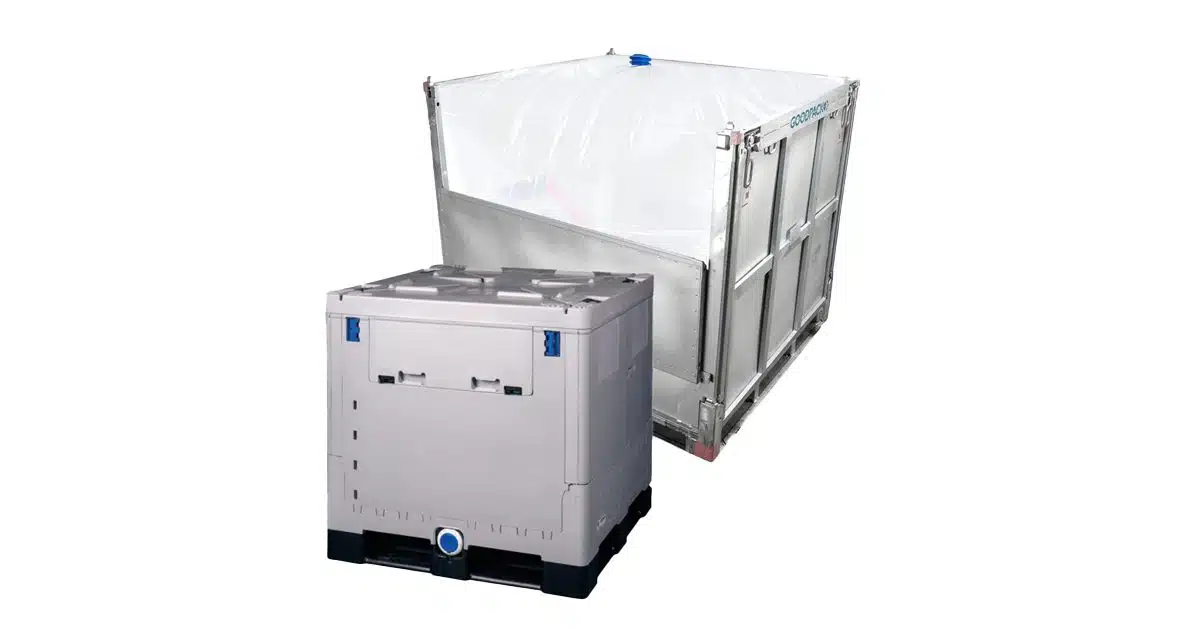
Cleaning reusable containers can be time-consuming and expensive, especially for facilities handling large volumes of liquid products. Traditional cleaning methods may involve:
- Hot water cleaning systems
- Chemical sanitation processes
- Drying procedures
- Labor-intensive inspections
- Downtime between batches
Using IBC liners helps simplify these processes by reducing the amount of direct contact between the product and the tote itself.
As a result, businesses can often:
- Reduce cleaning time
- Lower water usage
- Minimize sanitation costs
- Improve production efficiency
- Speed up product changeovers
These operational advantages can make a significant difference for facilities handling multiple production runs each day.
Supporting Efficient Transportation
Food and beverage companies often transport bulk liquids between suppliers, manufacturing facilities, warehouses, and distribution centers. During transportation, products must remain protected from leaks, contamination, and environmental exposure.
Reliable IBC tote liners for liquids help improve transportation safety while supporting efficient filling and dispensing operations.
Flexible liner systems can help:
- Reduce leakage risks
- Improve dispensing control
- Simplify unloading procedures
- Support safer product transfers
- Protect product quality during transit
This added protection helps companies maintain quality standards throughout the supply chain while reducing product waste and cleanup concerns.
Space-Efficient Storage Solutions
Bulk liquid storage requires efficient use of warehouse and production space. IBC systems paired with industrial IBC liners provide a compact and effective storage solution for high-volume liquid handling.
Compared to smaller containers or drums, IBC totes allow businesses to:
- Store larger product volumes
- Improve warehouse organization
- Simplify inventory management
- Reduce handling time
- Increase operational efficiency
Flexible liners further enhance these benefits by helping streamline filling and dispensing processes while reducing downtime associated with cleaning and maintenance.
Supporting Sustainability Goals
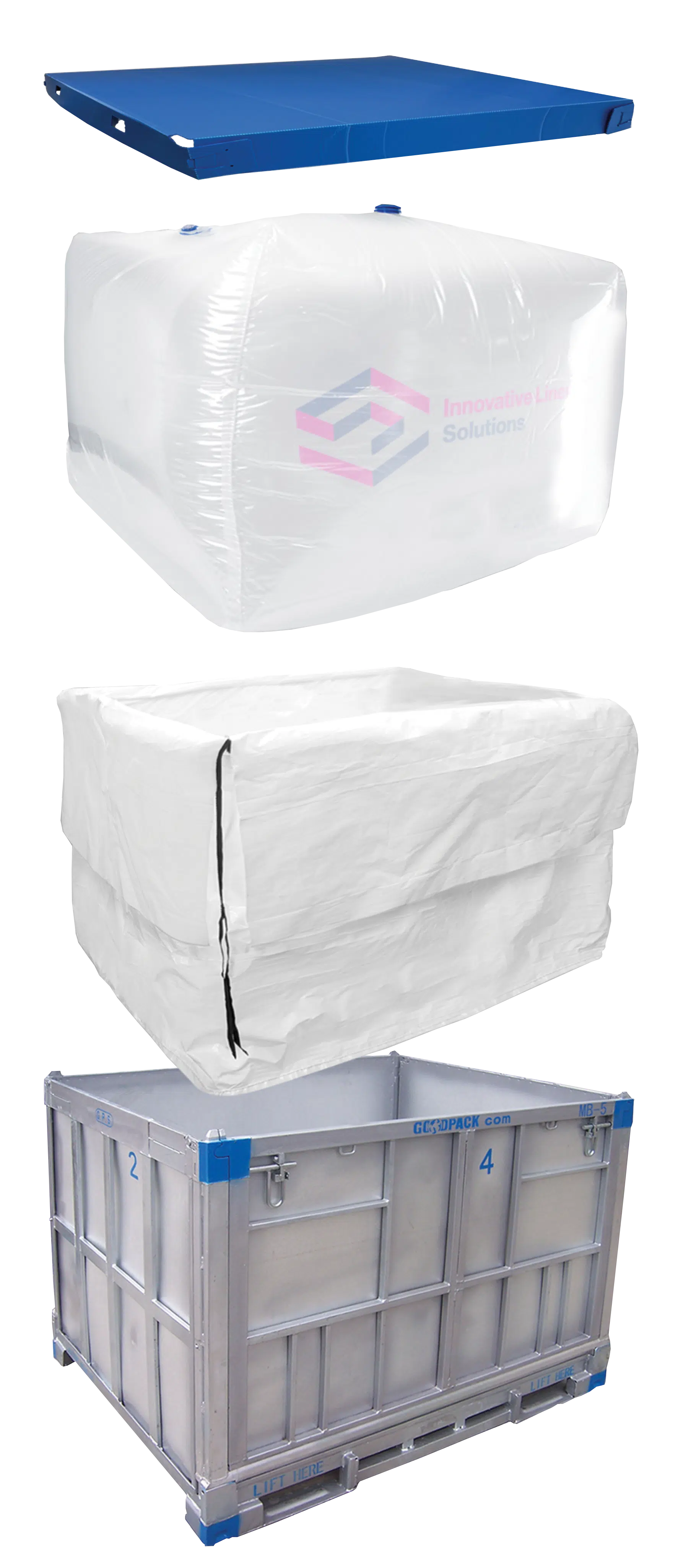
Many companies are actively looking for ways to improve sustainability and reduce operational waste. Reusable IBC tote systems combined with disposable liners can help support these goals while maintaining efficient production workflows.
Benefits may include:
- Reduced water consumption
- Lower chemical cleaning usage
- Extended tote lifespan
- Reduced product waste
- Improved resource efficiency
By minimizing the need for intensive cleaning between product batches, businesses may also reduce overall environmental impact while maintaining sanitary storage conditions.
Versatility Across Food And Beverage Applications
One of the key advantages of modern flexible IBC liners is their adaptability across a wide range of food and beverage applications.
Different industries require different handling characteristics depending on factors such as:
- Product viscosity
- Temperature requirements
- Dispensing methods
- Shelf-life considerations
- Transportation conditions
Because of this versatility, liner systems are used throughout many areas of the food and beverage industry, including:
- Beverage manufacturing
- Dairy processing
- Food ingredient distribution
- Commercial food production
- Brewing and distilling
- Agricultural liquid handling
Selecting the right liner system helps businesses maintain safe, efficient, and reliable product handling procedures.
Choosing The Right Food Grade IBC Liner
Not all liners are designed for food and beverage applications. Choosing the proper liner depends on several important factors, including:
- Product compatibility
- Food safety requirements
- Filling and dispensing needs
- Storage conditions
- Transportation requirements
- Production volume
High-quality food grade IBC liners are designed to meet demanding industry standards while supporting safe liquid handling and storage practices.
Working with experienced liner providers helps businesses select solutions tailored to their specific operational needs.
The Importance Of Reliable Packaging Solutions
In food and beverage production, packaging plays a major role in protecting product quality, supporting operational efficiency, and maintaining customer confidence.
Reliable bulk liquid packaging liners help businesses improve sanitation, simplify maintenance, reduce contamination risks, and streamline transportation processes.
As production demands continue to grow, dependable liner systems remain an important part of modern liquid handling operations across the food and beverage industry.
IBC Liners for Automotive Fluid Storage & Packaging
Automotive manufacturers, repair facilities, fluid distributors, and industrial suppliers all rely on safe and efficient liquid storage systems to keep operations running smoothly. From motor oils and coolants to lubricants and specialty chemicals, automotive fluids require dependable packaging solutions that help maintain product quality while supporting safe handling and transportation.
That is why many businesses use high-performance IBC liners for automotive fluid storage and packaging applications. These liner systems help improve operational efficiency, reduce contamination risks, and simplify bulk liquid handling for facilities managing large quantities of industrial fluids.
Modern IBC liners for automotive fluids are designed to provide durable protection while supporting cleaner storage conditions, safer transportation, and easier product dispensing. Whether handling lubricants in a warehouse environment or transporting fluids between production facilities, liner systems offer valuable advantages across the automotive industry.
Why Automotive Facilities Use IBC Liners
Automotive operations often store and transport liquids in large quantities. Intermediate Bulk Containers (IBCs) provide a practical storage solution because they maximize capacity while minimizing handling requirements.
However, reusable containers without liners may create several operational challenges, including:
- Residue contamination
- Costly cleaning requirements
- Product waste
- Increased downtime
- Cross-contamination between products
- Difficult maintenance procedures
Using durable IBC tote liners for liquids helps create a protective barrier between the fluid and the reusable container itself, helping improve cleanliness and simplify maintenance.
This added protection is especially important for automotive facilities handling multiple types of fluids within the same operation.
Common Automotive Fluids Stored In IBC Liners
Automotive facilities use bulk liquid packaging systems for a wide variety of products. Reliable bulk liquid packaging liners help support safer storage and transportation for fluids such as:
- Motor oils
- Transmission fluids
- Brake fluids
- Hydraulic oils
- Coolants and antifreeze
- Lubricants
- Degreasers
- Cleaning agents
- Fuel additives
- Industrial solvents
Because these products often require contamination-free handling, using high-quality liner systems helps preserve product integrity throughout storage and distribution processes.
Reducing Cross-Contamination Risks
Cross-contamination can create serious issues in automotive fluid handling. Even small amounts of residue left behind in reusable containers may affect fluid performance, reduce product quality, or create compatibility concerns.
For example:
- Mixing incompatible lubricants may reduce performance
- Residue contamination can affect fluid stability
- Foreign particles may damage automotive systems
- Product quality inconsistencies can increase waste
Using flexible IBC liners helps minimize direct contact between the fluid and the tote itself, reducing contamination risks and improving product separation between batches.
This is especially beneficial for facilities that routinely switch between multiple automotive products or specialty formulations.
Improving Storage Efficiency
Warehouses and production facilities often need to maximize available storage space while maintaining organized inventory systems. IBC systems combined with industrial IBC liners offer a space-efficient solution for handling high-volume automotive fluids.
Compared to smaller containers or drums, IBC systems help businesses:
- Store larger product volumes
- Improve warehouse organization
- Reduce handling time
- Simplify dispensing operations
- Improve inventory control
Flexible liner systems also help streamline product transfers and reduce downtime between product changeovers.
Supporting Safer Fluid Handling
Automotive fluids often require careful handling because some products may be slippery, flammable, corrosive, or hazardous if improperly managed. Leaks, spills, and contamination can create both safety risks and costly cleanup situations.
Reliable IBC liners for automotive fluids help improve safety by:
- Reducing leakage risks
- Supporting controlled dispensing
- Minimizing spills during transfers
- Protecting reusable containers
- Helping maintain cleaner work environments
These benefits are important for automotive manufacturing plants, repair facilities, distribution centers, and industrial fluid suppliers alike.
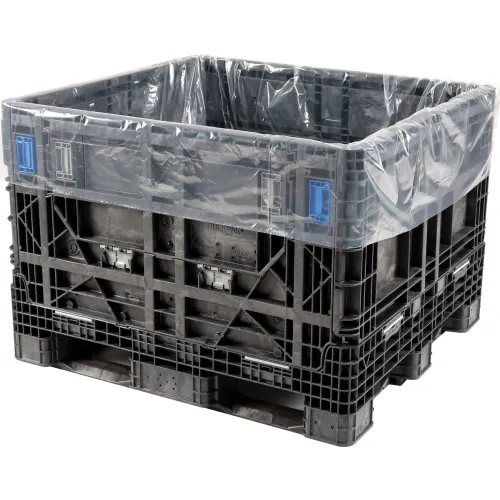
Simplifying Cleaning And Maintenance
Reusable containers without liners often require extensive cleaning between uses. Cleaning procedures may involve:
- Chemical sanitation
- Pressure washing
- Drying procedures
- Internal inspections
- Labor-intensive maintenance
These processes increase downtime and operational costs while reducing overall productivity.
Using IBC liners helps simplify maintenance by reducing direct product contact with the tote. This allows facilities to reduce cleaning frequency while speeding up product changeovers and improving workflow efficiency.
For businesses managing high-volume fluid operations, these time savings can have a major impact on productivity.
Supporting Bulk Transportation Needs
Automotive fluids are frequently transported between manufacturing facilities, warehouses, and distribution centers. During transportation, products must remain protected from contamination, leakage, and environmental exposure.
Durable bulk liquid packaging liners help support safer transportation by providing secure containment during shipping and handling.
Benefits include:
- Reduced leakage risks
- Improved product protection
- Easier unloading procedures
- Safer dispensing operations
- Better transportation efficiency
Reliable liner systems help companies maintain product quality throughout the supply chain while minimizing product loss and cleanup concerns.
Flexible Solutions For Multiple Applications
One of the biggest advantages of modern flexible IBC liners is their versatility. Automotive facilities often require packaging systems capable of handling different fluid viscosities, chemical compositions, and operational demands.
Flexible liner systems can support a wide range of automotive applications, including:
- Manufacturing operations
- Distribution and warehousing
- Fleet maintenance facilities
- Industrial service centers
- Automotive fluid blending operations
By adapting to different storage and dispensing requirements, liner systems provide operational flexibility for growing businesses.
Supporting Sustainability Goals
Many companies are working to improve sustainability and reduce waste within their operations. Reusable IBC systems paired with disposable liners can help support these goals by reducing water usage, chemical cleaning requirements, and unnecessary product waste.
Potential sustainability benefits include:
- Reduced water consumption
- Lower cleaning chemical usage
- Extended container lifespan
- Reduced maintenance demands
- Improved operational efficiency
For automotive operations focused on environmental responsibility, liner systems can help support more efficient resource management while maintaining safe storage conditions.
Choosing The Right IBC Liner For Automotive Fluids
Selecting the proper liner solution depends on several important factors, including:
- Fluid compatibility
- Storage temperatures
- Product viscosity
- Dispensing requirements
- Transportation conditions
- Chemical resistance needs
Because automotive fluids vary widely in composition, choosing the appropriate liner material is essential for maintaining safe storage and preserving product quality.
Reliable industrial IBC liners are designed to handle demanding environments while supporting long-term durability and consistent performance.
Chemical Resistance Matters
Many automotive fluids contain additives, solvents, or chemical compounds that require durable containment materials. Using incompatible liner materials may result in product degradation, contamination, or liner failure.
That is why many facilities rely on high-performance liner systems engineered specifically for automotive and industrial fluid applications.
Properly selected IBC liners for automotive fluids help support:
- Chemical compatibility
- Product stability
- Safer transportation
- Improved storage reliability
- Long-term operational performance
Working with experienced liner providers can help businesses identify the best solution for their specific applications.
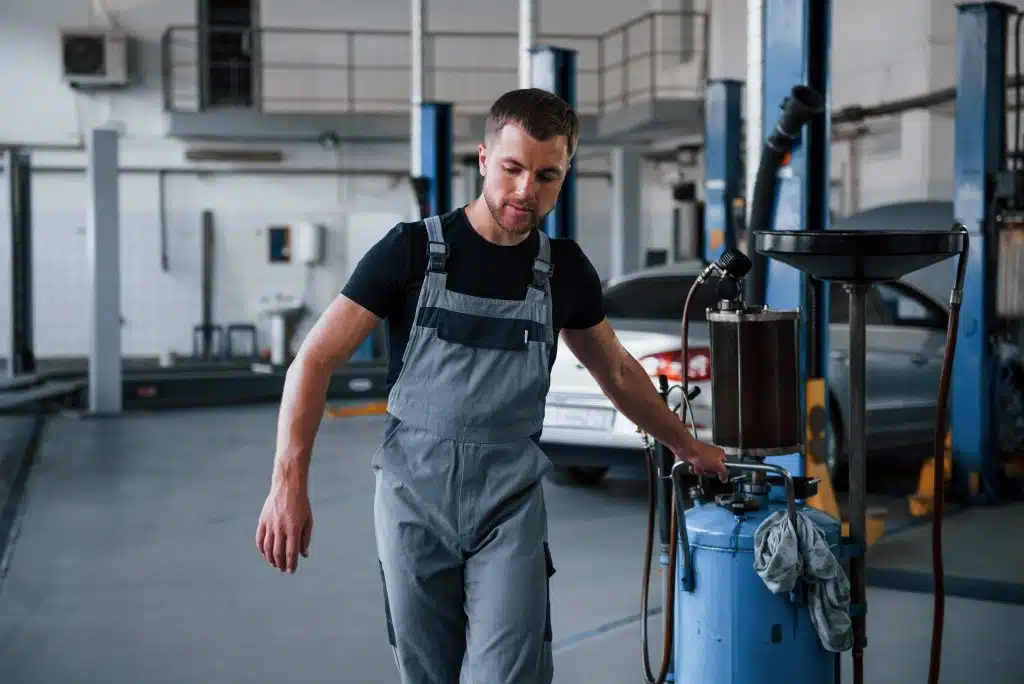
Improving Productivity Across Automotive Operations
Efficient liquid handling systems help automotive businesses reduce downtime, improve workflow, and support safer operations. By simplifying storage, transportation, dispensing, and maintenance processes, liner systems help facilities operate more efficiently while reducing unnecessary labor demands.
Whether handling lubricants, coolants, oils, or specialty industrial fluids, dependable IBC tote liners for liquids provide an effective solution for modern automotive operations.
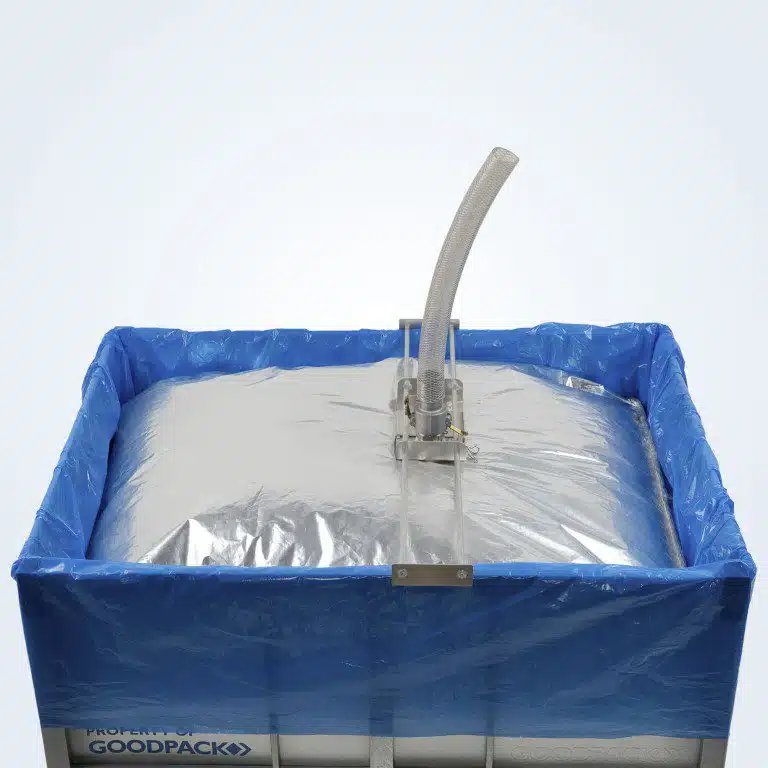
IBC Liners for Chemical Storage & Packaging
Chemical storage and transportation require durable containment systems capable of handling demanding industrial environments. Many chemicals require specialized packaging solutions that resist corrosion, degradation, and leakage.
Reliable IBC liners for chemicals provide an added layer of protection that helps companies safely manage hazardous and non-hazardous liquids.
Why Chemical Resistant Liners Matter
Chemical products vary widely in composition, viscosity, and reactivity. Standard containers alone may not provide sufficient protection for certain substances.
That’s why many companies rely on chemical resistant IBC liners designed specifically for industrial chemical applications.
These liners help support safe storage for:
- Industrial cleaning agents
- Acids and solvents
- Adhesives
- Resins
- Agricultural chemicals
- Specialty industrial liquids
- Water treatment chemicals
- Manufacturing compounds
Using compatible liner materials is critical for preserving product integrity and preventing container damage.
Enhancing Workplace Safety
Proper liquid containment is essential for maintaining safe working environments. Damaged containers, leaks, or contamination incidents can create serious operational and environmental risks.
High-quality IBC liners for chemicals help improve safety by:
- Reducing leakage risks
- Supporting controlled dispensing
- Minimizing exposure to hazardous materials
- Improving spill prevention efforts
- Protecting reusable containers
These benefits are especially important in industries handling large volumes of industrial chemicals.
Improving Storage Efficiency
Bulk chemical storage often requires maximizing warehouse space while maintaining organized inventory systems.
Using IBC tote liners for liquids allows businesses to efficiently store and transport chemicals while simplifying container reuse and reducing handling complexity.
Flexible liner systems also help support:
- Faster filling operations
- Easier product transfers
- Reduced cleaning requirements
- Improved changeover efficiency
For facilities handling multiple chemical products, liners provide added flexibility and operational convenience.
Advantages of Flexible IBC Liners
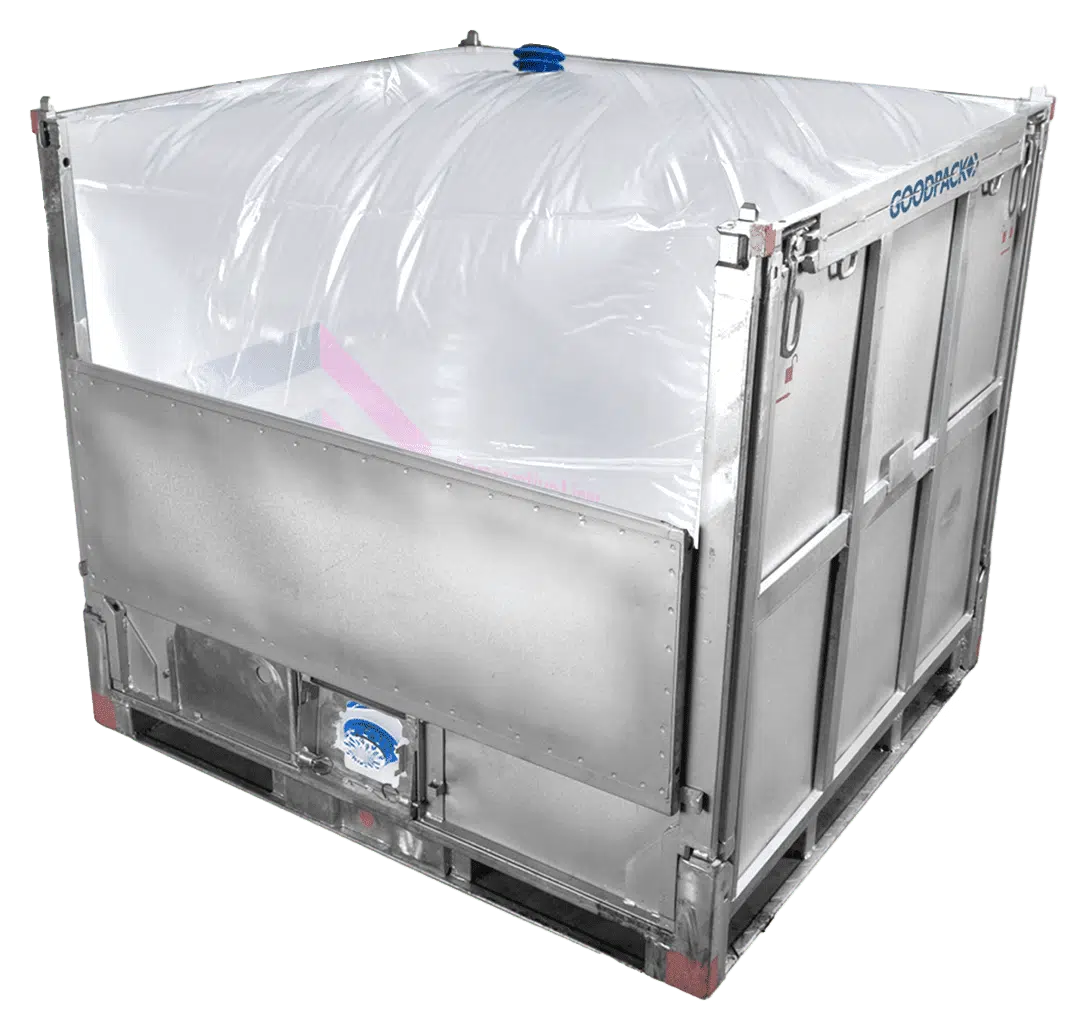
Modern flexible IBC liners are designed to improve performance across a variety of industrial applications. Compared to rigid standalone containers, flexible liner systems provide several operational advantages.
Space Efficiency
Flexible liners help optimize storage space by adapting to container shapes while maximizing usable volume.
Reduced Cleaning Costs
Reusable containers without liners often require labor-intensive cleaning between uses. Liners help minimize cleaning requirements and reduce downtime.
Improved Product Protection
Liners create a barrier between the product and the tote, helping maintain product purity and reduce contamination risks.
Versatility Across Industries
From food-grade applications to industrial chemicals, liner systems support a broad range of liquid products and operational needs.
Enhanced Transportation Efficiency
Secure liner systems help improve handling during transportation while reducing leakage concerns and product waste.
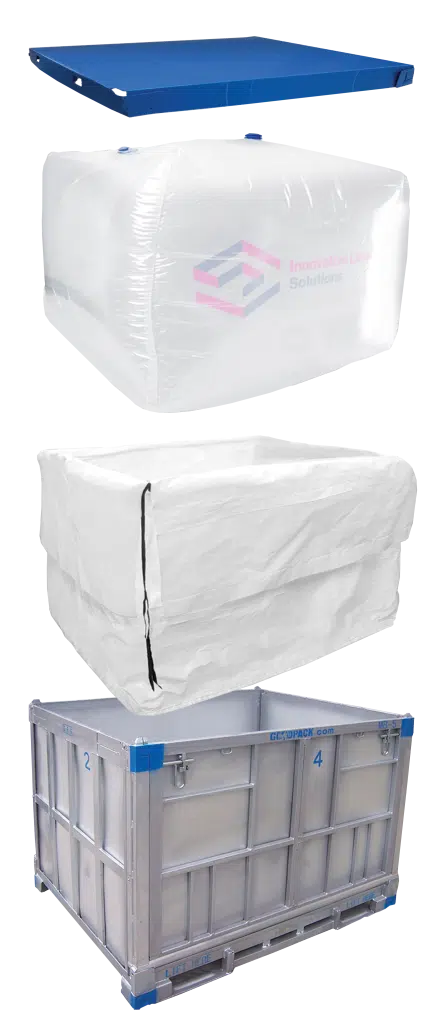
Choosing the Right IBC Liner Solution
Not all liner systems are the same. Selecting the appropriate liner depends on several important factors, including:
- Product compatibility
- Temperature requirements
- Viscosity of the liquid
- Transportation conditions
- Dispensing needs
- Industry compliance requirements
Businesses should evaluate both product characteristics and operational requirements when selecting industrial IBC liners for their facilities.
Material Compatibility Matters
Not all liner systems are the same. Selecting the appropriate liner depends on several important factors, including:
- Product compatibility
- Temperature requirements
- Viscosity of the liquid
- Transportation conditions
- Dispensing needs
- Industry compliance requirements
Businesses should evaluate both product characteristics and operational requirements when selecting industrial IBC liners for their facilities.
Food-Grade Requirements
Food and beverage applications require liners designed specifically for consumable products. Properly manufactured food grade IBC liners help support sanitation standards and product safety throughout the storage and transportation process.
Transportation And Dispensing Needs
Different industries require varying filling and dispensing methods. Some operations prioritize rapid discharge systems, while others require precise dispensing control for sensitive products.
Flexible liner systems can often be customized to support specific operational workflows and liquid handling requirements.
Supporting Sustainability And Reusability
Many businesses are also looking for ways to improve sustainability while maintaining operational efficiency. Reusable IBC systems paired with disposable liners can help reduce overall waste while extending container lifespan.
Benefits may include:
- Reduced water usage from cleaning
- Lower chemical cleaning requirements
- Extended tote usability
- Reduced product waste
- Improved operational efficiency
For companies focused on sustainability initiatives, liner systems can help support more efficient resource management.
Reliable Bulk Liquid Packaging Solutions
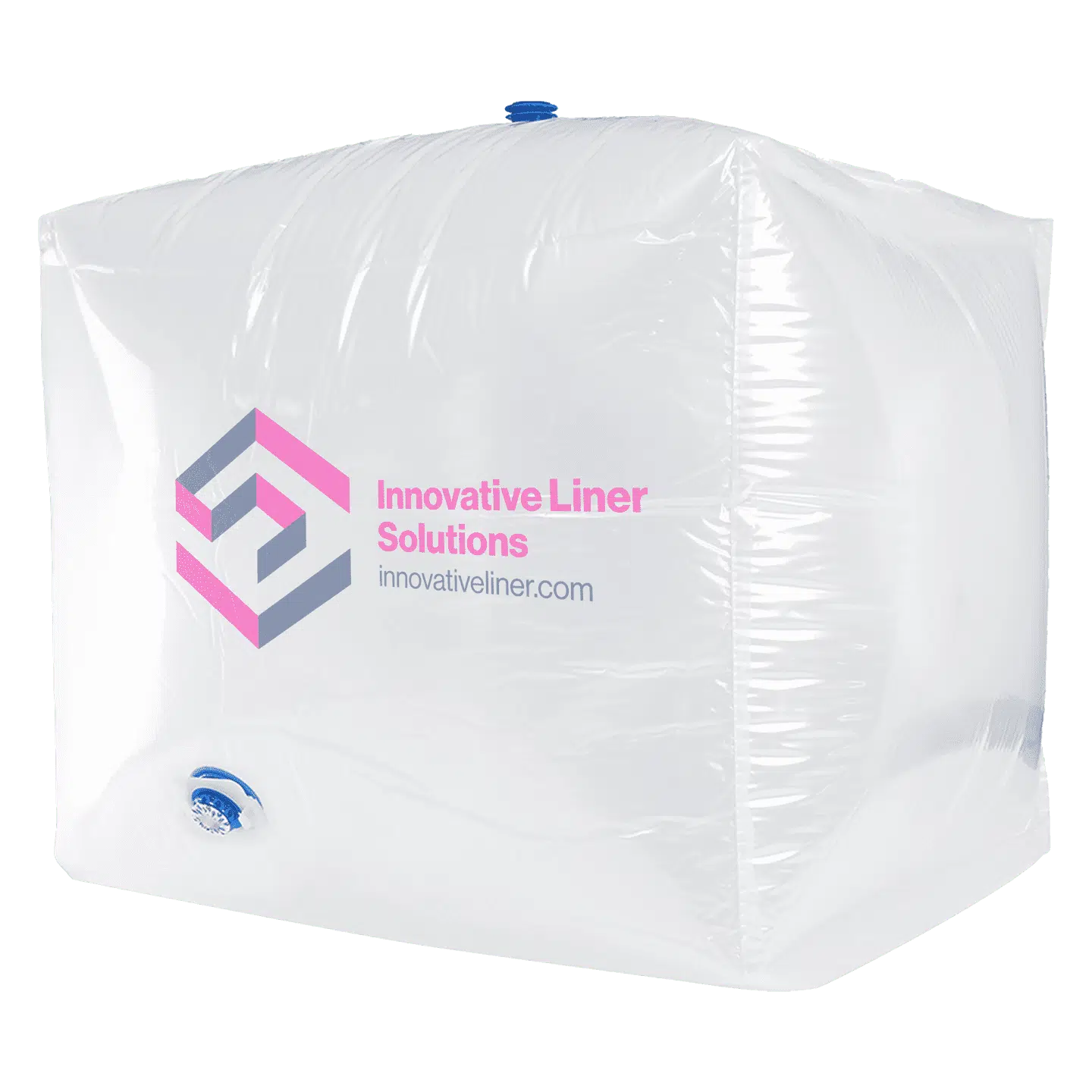
As industries continue to evolve, the need for dependable bulk liquid handling solutions continues to grow. Whether storing food products, transporting automotive fluids, or handling industrial chemicals, businesses require packaging systems that prioritize safety, durability, and efficiency.
Innovative Liner Solutions provides dependable IBC liners, bulk liquid packaging liners, and customized storage solutions designed to support demanding industrial applications.
From sanitary food-grade environments to high-performance chemical storage systems, modern liner technology helps companies streamline operations while protecting valuable products throughout the supply chain.
Contact Innovative Liner Solutions
If your business needs reliable liner solutions for food, beverage, automotive, or chemical applications, Innovative Liner Solutions can help you find the right packaging system for your operational needs.
To learn more about available IBC liners, call 800-758-8079 or contact Innovative Liner Solutions by visiting their contact page.