
Coolant, antifreeze, and brake fluid are critical automotive fluids that directly impact vehicle performance, safety, and longevity. Unlike motor oil and lubricants, these fluids are often more chemically sensitive and require stricter storage controls to maintain their effectiveness. Improper storage can lead to contamination, moisture absorption, chemical imbalance, and costly operational risks.
To manage these fluids safely at scale, automotive manufacturers, distributors, fleet operators, and service facilities rely on industrial liquid containers for automotive fluid packaging. Designed for durability, chemical compatibility, and efficiency, these containers help preserve fluid integrity while supporting safe handling and transport.
This page explores how antifreeze and coolant should be stored in bulk, the safest ways to store brake fluid, and whether multiple automotive fluids can be stored using the same type of container.
The Importance of Proper Storage for Automotive Fluids
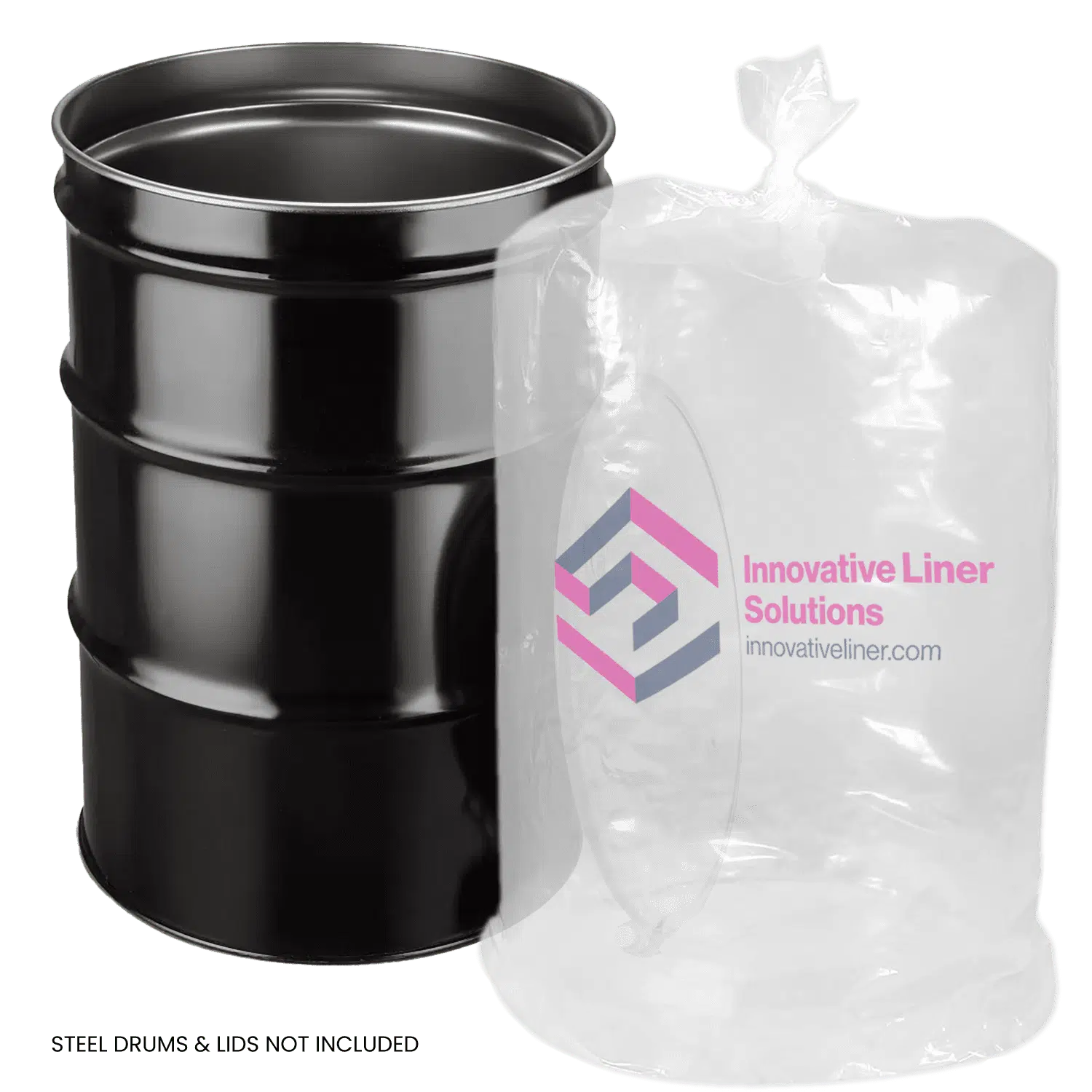
Automotive fluids are formulated with precise chemical compositions to meet specific performance requirements. Exposure to air, moisture, temperature extremes, or incompatible materials can compromise these formulations and reduce effectiveness.
Automotive fluid packaging containers play a critical role in protecting these fluids throughout storage and distribution. When selected correctly, container systems reduce contamination risk, improve safety, and support consistent performance across automotive operations.
Bulk storage solutions also allow organizations to streamline logistics, reduce packaging waste, and improve inventory control.
How Should Antifreeze and Coolant Be Stored in Bulk?
Antifreeze and coolant are essential automotive fluids that protect engines from overheating, freezing, and internal corrosion. Because these fluids rely on precise chemical balances, proper bulk storage is critical to maintaining their effectiveness. Improper storage can lead to contamination, dilution, or chemical degradation that compromises cooling system performance and increases maintenance risks. By using appropriate antifreeze and coolant storage containers and following best practices, businesses can safely manage these fluids at scale.
Selecting Proper Bulk Storage Containers
Safe bulk storage begins with choosing containers specifically designed for automotive fluids. Industrial liquid containers for automotive fluid packaging provide the durability and chemical compatibility needed to store antifreeze and coolant without compromising fluid integrity. These containers are engineered to handle large volumes while maintaining a sealed internal environment.
High-quality bulk automotive fluid storage containers help protect antifreeze and coolant from external contaminants such as dirt, moisture, and airborne particles. Secure closures and controlled access points further reduce the risk of accidental contamination during handling or dispensing.
Preserving Chemical Balance and Performance
Antifreeze and coolant formulations are carefully engineered to regulate engine temperature and prevent corrosion. Exposure to water or foreign substances can dilute these fluids, alter freeze points, and reduce corrosion protection.
Using properly specified automotive fluid packaging containers helps preserve chemical balance by limiting exposure to air and moisture. Sealed storage environments ensure that antifreeze and coolant maintain consistent performance throughout storage, whether held for short-term use or long-term inventory.
Managing Environmental Conditions
Environmental control plays an important role in bulk coolant storage. Antifreeze and coolant should be stored in clean, dry areas away from direct sunlight and extreme temperature fluctuations. Prolonged exposure to high temperatures can accelerate chemical breakdown, while freezing conditions may affect fluid stability.
Industrial fluid containers for automotive applications help maintain stable internal conditions even when external environments vary. Their robust construction supports long-term storage without compromising fluid quality.
Preventing Cross-Contamination
Facilities that manage multiple automotive fluids must take steps to prevent cross-contamination. Antifreeze and coolant should be stored separately from incompatible products such as motor oil, brake fluid, or hydraulic fluids.
Clearly labeled automotive chemical storage containers and dedicated dispensing equipment help maintain separation between fluids. This approach reduces the risk of mixing incompatible substances and supports consistent quality control.
Supporting Safe Handling and Spill Prevention
Handling bulk volumes of antifreeze and coolant introduces safety considerations related to spills and leaks. Improper handling can create slip hazards and environmental concerns.
Bulk liquid containers for automotive fluids reduce the need for frequent transfers between smaller packages, lowering the risk of spills during handling. Stable container designs and proper placement further support safe workflows.
Spill containment measures, such as secondary containment systems, add an extra layer of protection and support compliance with safety and environmental guidelines.
Dispensing and Transfer Best Practices
How antifreeze and coolant are dispensed from storage containers plays a significant role in maintaining fluid quality. Poor dispensing practices can introduce contaminants or moisture into the fluid.
Using bulk containers designed for controlled dispensing improves accuracy and cleanliness. Industrial liquid containers for automotive fluid packaging support efficient transfer processes that reduce exposure during dispensing and minimize waste.
Regular inspection and maintenance of dispensing equipment help ensure seals, hoses, and fittings remain in good condition.
Supporting Long-Term Storage and Inventory Control
Many automotive operations store antifreeze and coolant for extended periods to support seasonal demand or ensure supply availability. Over time, improper storage can lead to fluid degradation and waste.
Sealed antifreeze and coolant storage containers help preserve fluid performance throughout the storage lifecycle. Regular inventory rotation ensures older stock is used first, reducing the risk of prolonged storage affecting fluid quality.
A Proactive Approach to Bulk Coolant Storage
Storing antifreeze and coolant in bulk safely requires a combination of the right container systems, controlled environments, and disciplined handling practices. By investing in industrial liquid containers for automotive fluid packaging and following proven storage guidelines, businesses can protect fluid integrity, improve safety, and reduce operational risk.
When implemented correctly, bulk storage solutions help ensure antifreeze and coolant perform as intended when they reach engines and equipment.
What Is the Safest Way to Store Brake Fluid?
Brake fluid is one of the most safety-critical automotive fluids, playing a direct role in braking system performance and vehicle safety. Unlike motor oil or coolant, brake fluid is highly sensitive to moisture and contamination, making proper storage essential. Even small amounts of water or foreign material can significantly reduce braking effectiveness and increase the risk of brake failure. Storing brake fluid safely in bulk requires specialized containers, controlled environments, and disciplined handling practices.
Understanding the Sensitivity of Brake Fluid
Brake fluid is hygroscopic, meaning it readily absorbs moisture from the air. As moisture content increases, the fluid’s boiling point decreases, which can cause vapor lock under high-temperature braking conditions. This can lead to reduced braking responsiveness or system failure.
Because of this sensitivity, brake fluid storage containers must be designed to minimize air exposure and prevent moisture intrusion. Bulk storage systems that are not properly sealed or maintained can quickly compromise fluid quality.
Selecting the Right Storage Containers
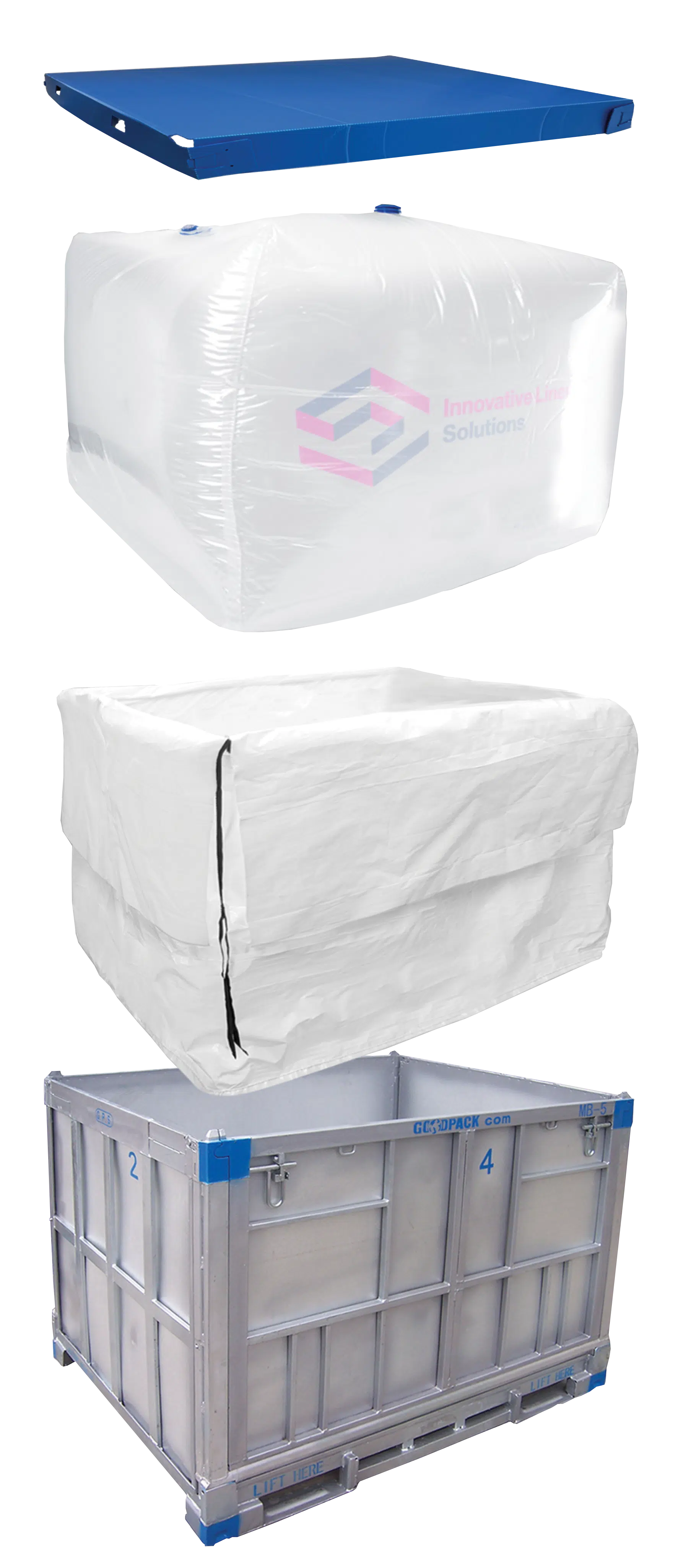
The safest way to store brake fluid begins with choosing containers specifically designed for automotive chemical storage. Industrial liquid containers for automotive fluid packaging provide sealed environments that help protect brake fluid from humidity, airborne contaminants, and chemical interaction.
High-quality automotive fluid packaging containers are constructed from materials that are chemically compatible with brake fluid, reducing the risk of container degradation or chemical reactions. Proper container selection ensures long-term reliability and helps maintain brake fluid performance throughout storage.
Limiting Air and Moisture Exposure
Minimizing air exposure is the most critical factor in safe brake fluid storage. Bulk containers should feature tight seals, controlled access points, and minimal openings to reduce the opportunity for moisture absorption.
Bulk automotive fluid storage containers reduce the need for frequent opening and closing compared to smaller packages, helping maintain a more stable internal environment. Keeping containers closed when not in use and avoiding unnecessary transfers further protects brake fluid from contamination.
Storage areas should also be climate-controlled whenever possible. Clean, dry environments with stable temperatures help reduce humidity exposure and support fluid integrity.
Preventing Cross-Contamination
Facilities that handle multiple automotive fluids must take extra care to prevent cross-contamination. Brake fluid should never be stored in containers previously used for motor oil, coolant, or hydraulic fluids unless they are specifically designed and properly prepared for brake fluid use.
Using dedicated automotive chemical storage containers for brake fluid helps ensure complete separation from other products. Clear labeling, color-coded systems, and restricted access points further reduce the risk of accidental mixing.
Supporting Safe Handling and Dispensing
Brake fluid storage safety extends beyond the container itself to how the fluid is handled and dispensed. Poor transfer practices can introduce moisture or contaminants even when using high-quality containers.
Bulk liquid containers for automotive fluids designed for controlled dispensing help reduce exposure during transfer and improve accuracy. Integrated dispensing systems minimize open handling, supporting cleaner workflows and safer operations.
Routine inspection and maintenance of dispensing equipment are essential to ensure seals, hoses, and fittings remain intact and contamination-free.
Managing Long-Term Storage and Inventory
Brake fluid may be stored for extended periods before use, especially in large facilities or distribution environments. Over time, even well-sealed systems can be affected by environmental conditions if not properly managed.
Using sealed brake fluid storage containers and maintaining clean storage areas helps preserve fluid quality during long-term storage. Inventory rotation practices ensure older stock is used first, reducing the risk of degradation from prolonged storage.
Regular quality checks can further support safe long-term storage by identifying potential issues before fluid is dispensed into braking systems.
Enhancing Workplace Safety and Compliance
Improper brake fluid storage can create safety hazards, environmental risks, and compliance concerns. Spills, leaks, or degraded fluid can lead to costly cleanup efforts and operational disruptions.
Industrial fluid containers for automotive applications are designed to reduce these risks through durable construction and secure storage features. Secondary containment systems and spill response measures add an additional layer of protection and support workplace safety standards.
A Safety-First Approach to Brake Fluid Storage
The safest way to store brake fluid in bulk is through a combination of proper container selection, moisture control, contamination prevention, and disciplined handling practices. By investing in industrial liquid containers for automotive fluid packaging and maintaining controlled storage environments, businesses can protect brake fluid performance and support vehicle safety.
When stored correctly, brake fluid maintains its critical properties, helping ensure braking systems function reliably when they are needed most.
Can Automotive Fluids Be Stored in the Same Type of Container?
Automotive operations often handle multiple fluid types, including motor oil, lubricants, coolant, antifreeze, brake fluid, and hydraulic fluids. While some containers may appear similar, not all fluids can be safely stored using identical systems.
Understanding Chemical Compatibility
Each automotive fluid has unique chemical properties that influence container compatibility. Motor oil bulk storage containers are typically designed to manage oils and lubricants, while coolant, brake fluid, and hydraulic fluids may require different storage considerations.
Using the wrong container type can lead to chemical interaction, contamination, or container degradation. Selecting containers specifically designed for each fluid type helps maintain safety and performance.
Standardized Containers With Proper Segregation
In many facilities, standardized industrial fluid containers for automotive use can support multiple fluid types when paired with proper segregation and management practices.
Dedicated containers, clear labeling, and controlled access points help ensure fluids remain separate even when stored within the same facility. This approach allows organizations to maintain efficiency while avoiding cross-contamination.
Supporting Multiple Fluids in Bulk Storage Environments
Bulk liquid containers for automotive fluids can be configured to support different products within a unified storage framework. This flexibility simplifies facility layout and inventory management while maintaining safety standards.
For example, hydraulic fluid storage containers can coexist alongside coolant and lubricant systems when each fluid is stored in properly specified containers.
Advantages of Industrial Container Systems for Automotive Fluids
Using industrial-grade container systems provides benefits that extend beyond basic storage.
Protecting Fluid Performance
Proper storage helps ensure automotive fluids perform as intended, protecting engines, braking systems, and hydraulic equipment. Maintaining fluid integrity reduces wear, improves reliability, and supports longer service intervals.
Improving Safety and Risk Management
Leaks, spills, and contamination pose safety and environmental risks. Automotive chemical storage containers are designed to minimize these risks through robust construction and controlled handling.
Improved safety supports compliance with internal standards and environmental responsibilities.
Enhancing Operational Efficiency
Bulk storage systems reduce handling time, simplify logistics, and improve workflow consistency. Fewer individual packages mean less inventory management and reduced waste.
Centralized storage also supports faster service and reduced downtime in busy automotive operations.
Supporting Long-Term Storage and Inventory Planning
Many automotive fluids are stored for extended periods to support seasonal demand or ensure supply continuity. Over time, improper storage can lead to degradation and waste.
Industrial container systems provide controlled environments that support long-term fluid stability. This reliability improves inventory planning and reduces losses associated with expired or contaminated products.
Transport Considerations for Coolant, Antifreeze, and Brake Fluid
In addition to storage, these fluids often require transport between facilities. Containers must withstand vibration, movement, and environmental exposure without compromising fluid quality.
Bulk automotive fluid storage containers designed for transport support secure handling and efficient logistics. Their standardized dimensions allow for easier loading, unloading, and stacking.
Reliable transport packaging ensures fluids arrive ready for use without quality concerns.
A Unified Approach to Automotive Fluid Storage
Managing coolant, antifreeze, and brake fluid safely requires a comprehensive storage strategy that considers chemical compatibility, environmental control, and operational efficiency.
By investing in industrial liquid containers for automotive fluid packaging, organizations can protect sensitive fluids while streamlining operations across storage and transport environments.
For a broader overview of container systems used across automotive applications, explore Industrial Liquid Containers for Automotive Fluid Packaging to see how bulk solutions support safe, scalable fluid management.
Why Automotive Operations Work With Innovative Liner Solutions
Innovative Liner Solutions supports automotive and industrial organizations with packaging systems designed for real-world fluid handling challenges. By focusing on durable, compatible container solutions, the company helps businesses protect valuable fluids while improving efficiency and safety.
From antifreeze and coolant storage containers to brake fluid storage containers and systems for lubricants and hydraulic fluids, Innovative Liner Solutions provides reliable solutions for complex automotive environments.
Get Expert Guidance on Automotive Fluid Storage Solutions
Selecting the right storage system for coolant, antifreeze, and brake fluid is essential for maintaining safety, performance, and operational efficiency. Whether you are upgrading existing systems or planning new bulk storage, expert guidance can help ensure the best outcome.
To learn more about automotive fluid packaging containers and complete storage solutions, call 800-758-8079 or contact Innovative Liner Solutions through the website to speak with a knowledgeable specialist.
Get Expert Guidance On Chemical-Grade IBC Liners & Containers
Optimize your liquid handling operations with our high-quality IBC liners, containers, valves, connectors, discharge tubes, and more. No matter your industry—food processing, chemicals, pharmaceuticals, or manufacturing—we have the solutions you need. Contact us today for pricing and expert guidance!
Call Our Team